



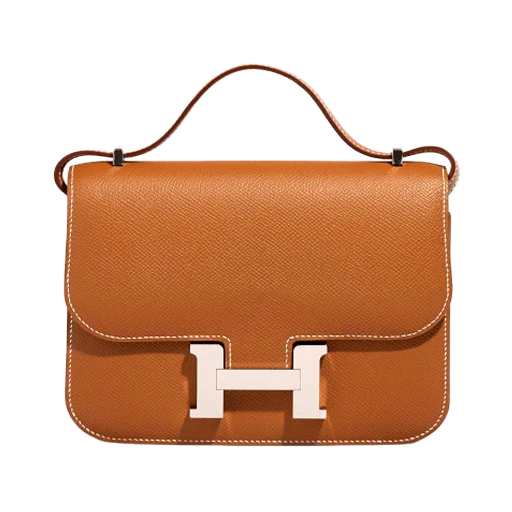
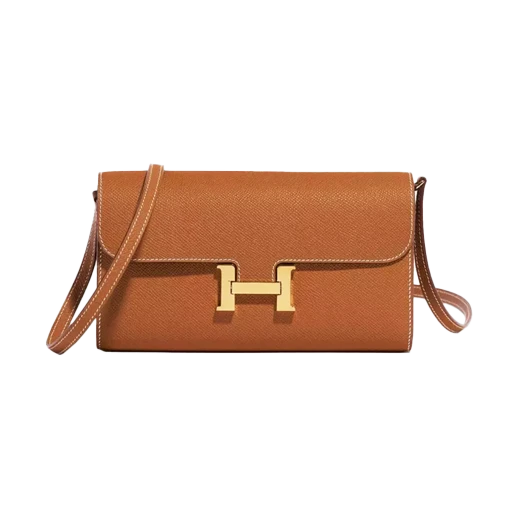
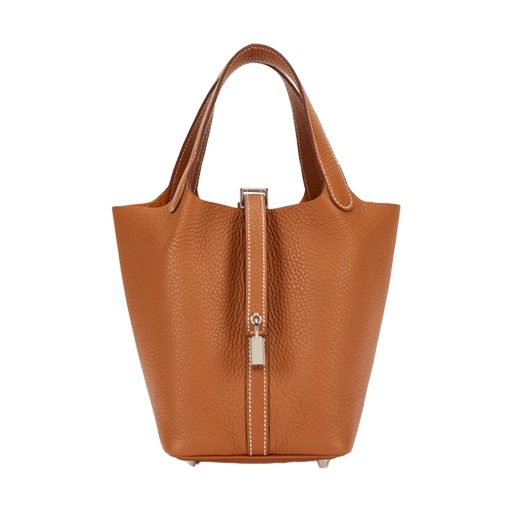
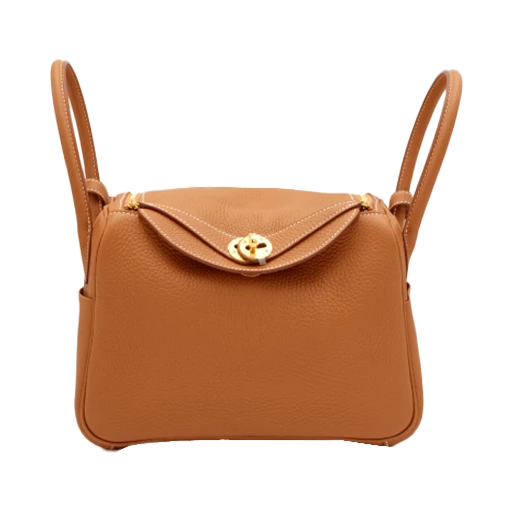


Write to us in a convenient messenger and we will contact you in 15 minutes!
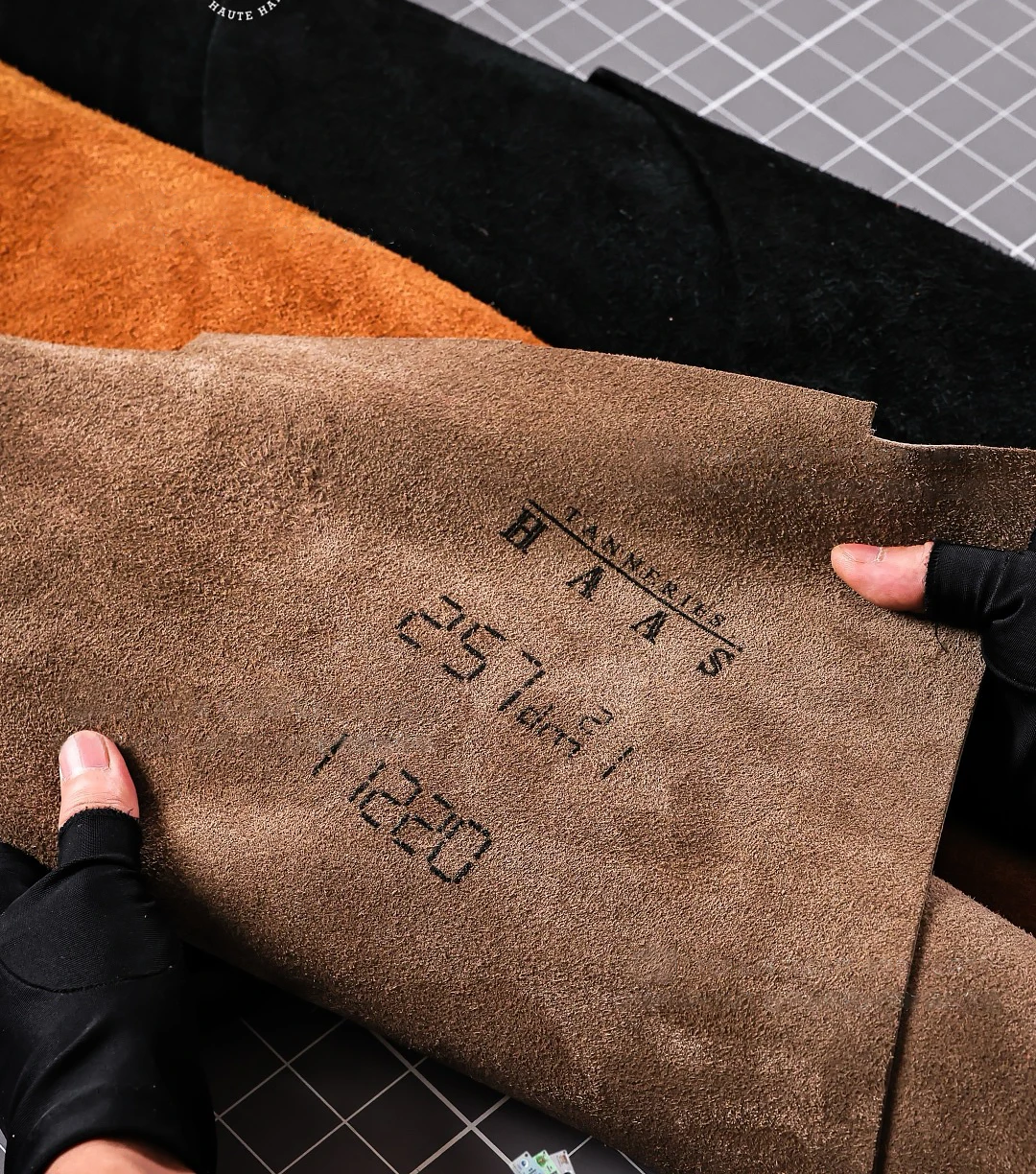
Leather for Hermès Bags
is the same as in the original — certified by the European Leather Export Institute — (HCP, Xinglong, Von Hummel, HAAS).
Our factory works with the finest tanneries in Europe, so all the leather used in production is imported. Supplies come from official top manufacturers!
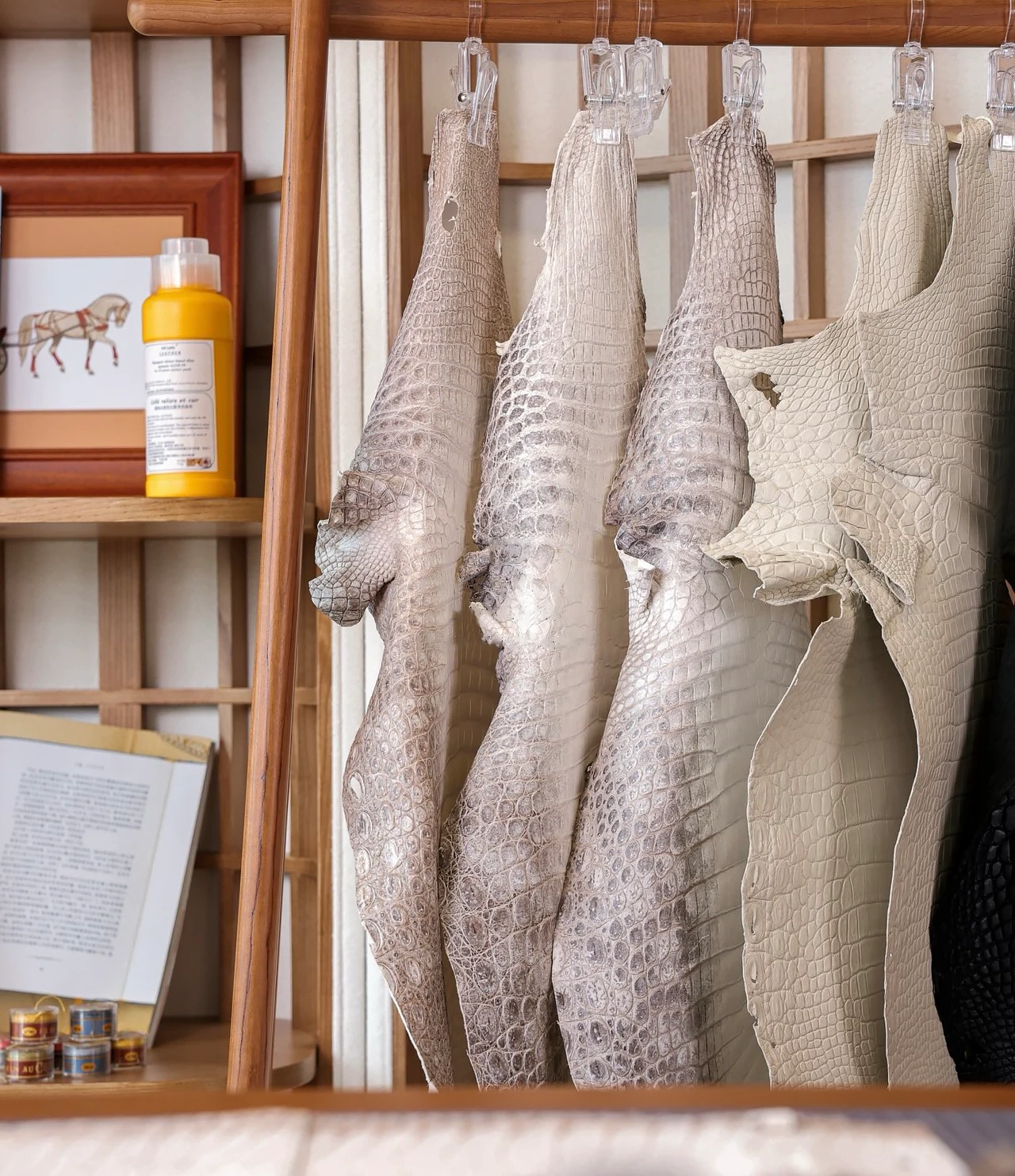
The leather arrives at the factory already treated.
The most fundamental requirements for reptile leather are the complete absence of cuts and other mechanical damage.
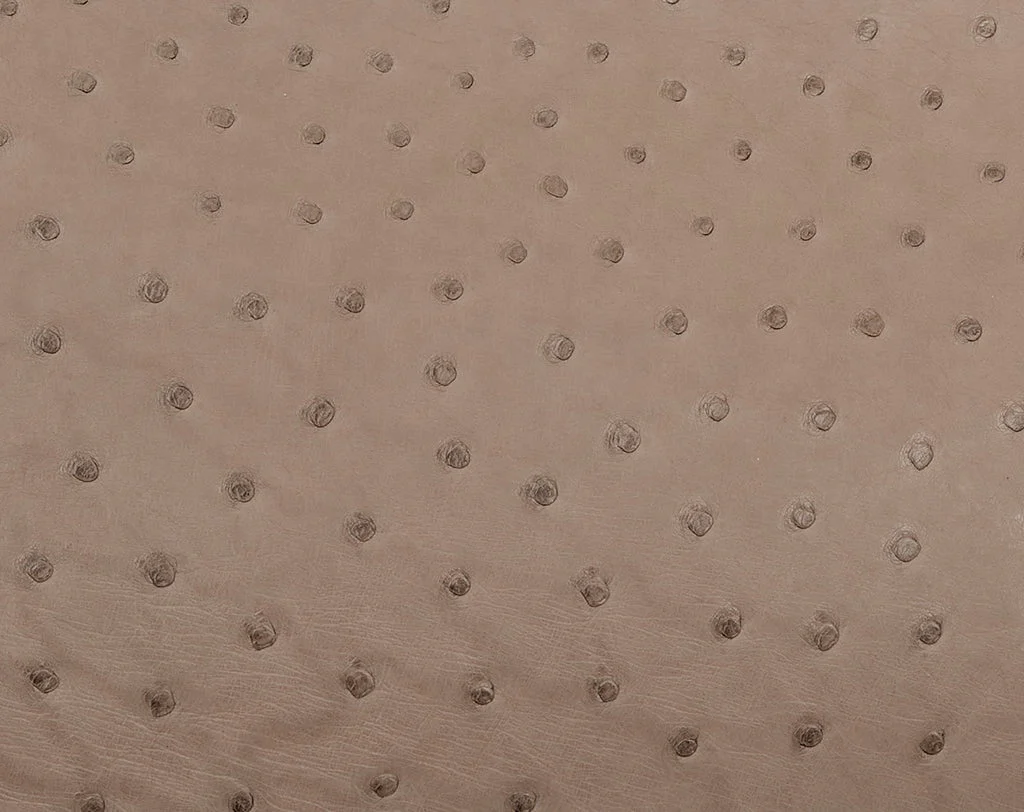
Our factory uses ostrich leather from the Klein Karoo farm — the very leather that Hermès buys to produce its "dotted" pieces.
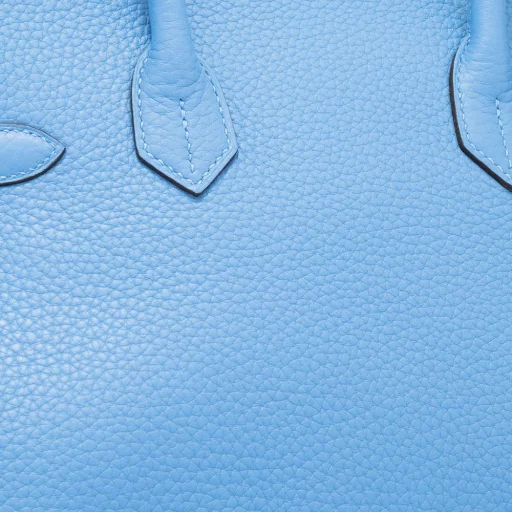
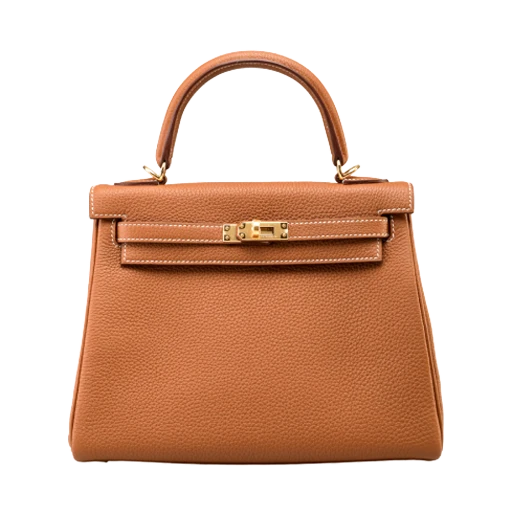
The Most Popular Calfskin — Togo
soft and velvety to the touch. When crumpled, it returns to its original shape.
The feel is unforgettable, indistinguishable from the original.
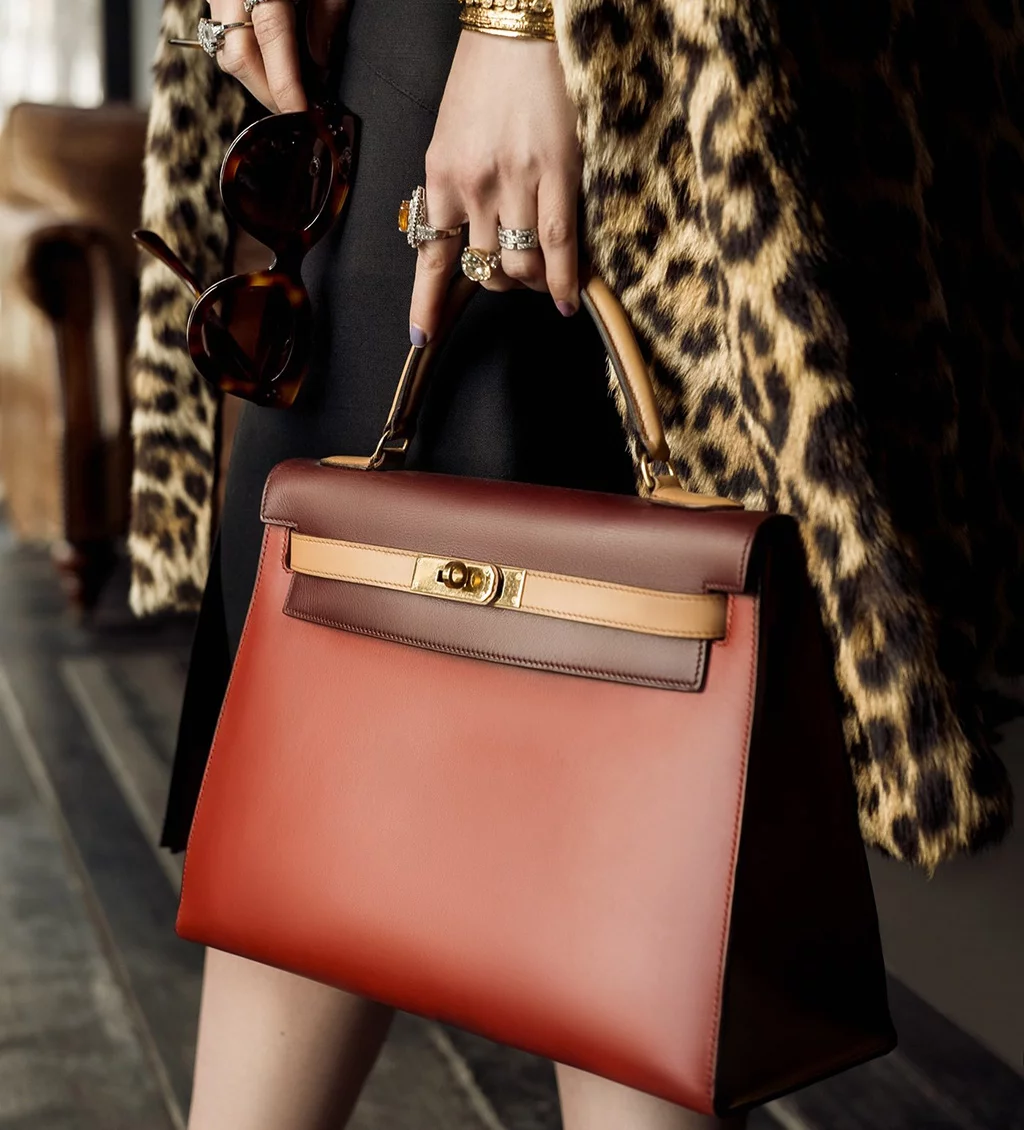
Popular Types of Hermès Leather
Smooth Leather
-
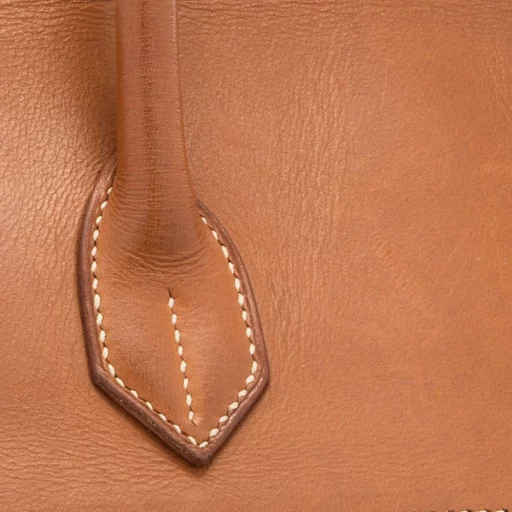
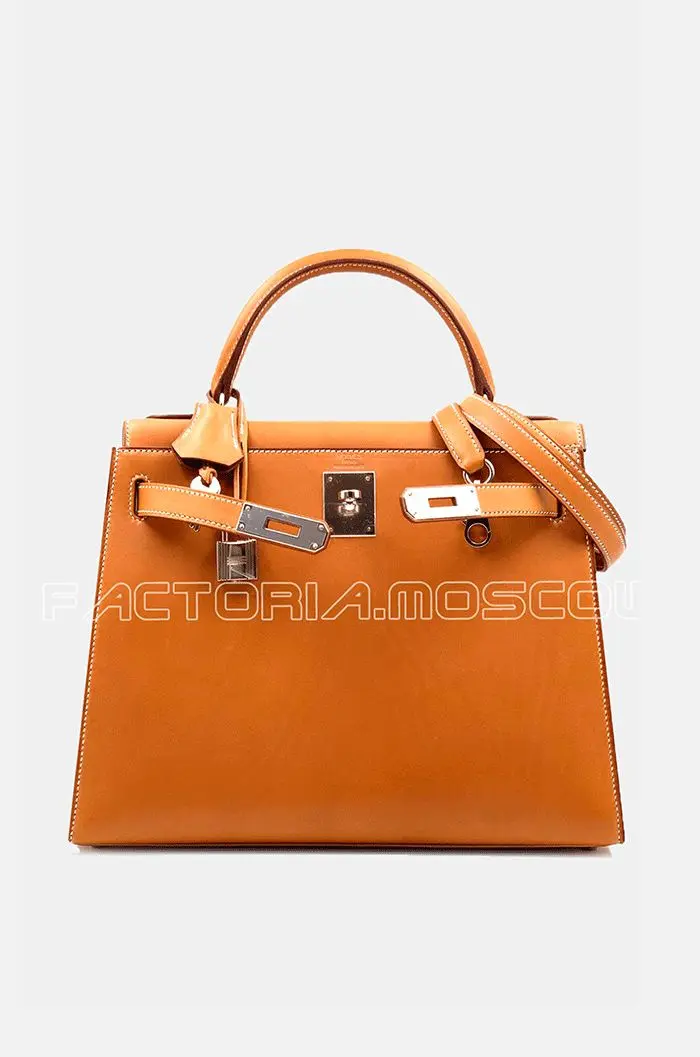 Hermes Kelly Sellier 28 Barenia Color Fauve PHW
-
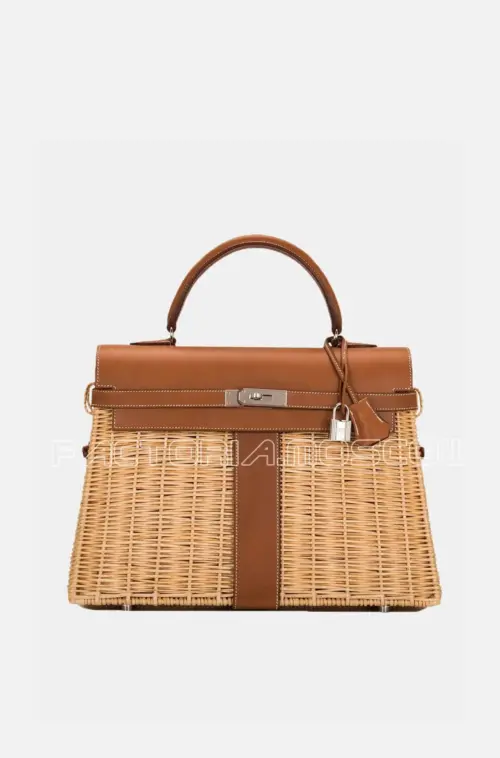 Hermes Kelly Picnic 35 Barenia leather Gold PHW
-
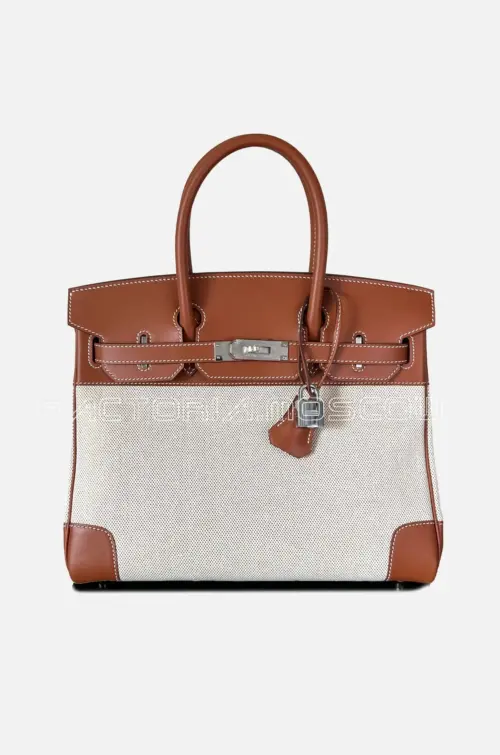 Hermes Birkin 30 Canvas Color GHW PHW
-
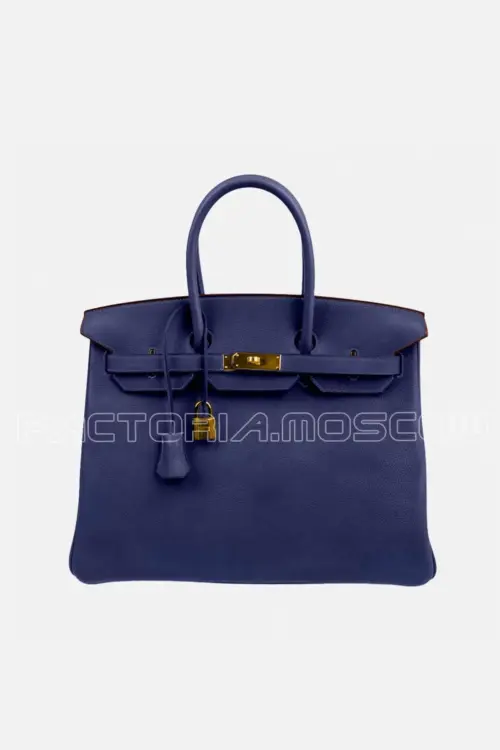 Hermes Birkin 35 Barenia Color Blue Encre GHW
-
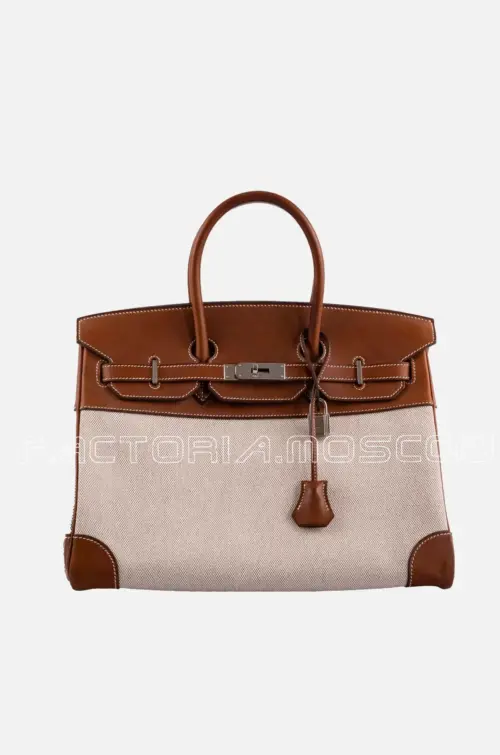 Hermes Birkin 35 Canvas Fauve Barenia/Toile H Gold PHW
-
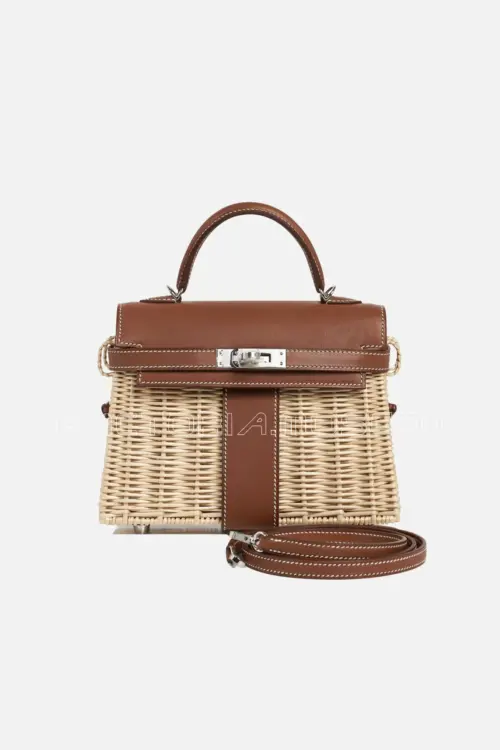 Hermes Kelly Mini Picnic 20 Barenia Color GHW PHW
-
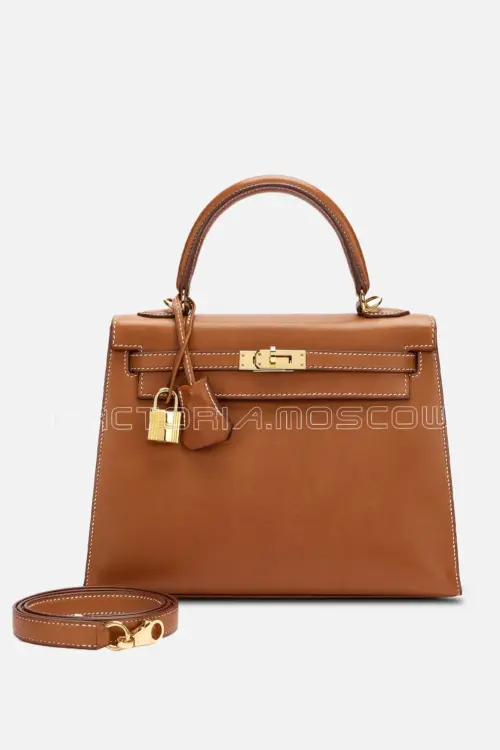 Hermes Kelly 25 Sellier Fauve Barenia GHW
-
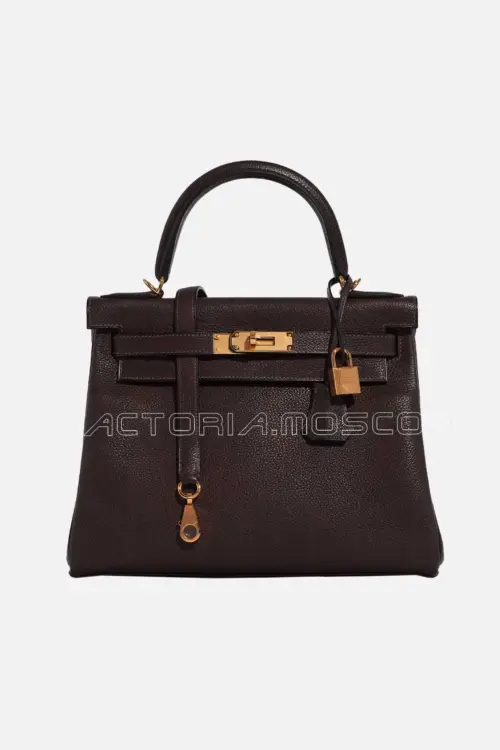 Hermès Kelly 28 Barenia Faubourg Ebene GHW
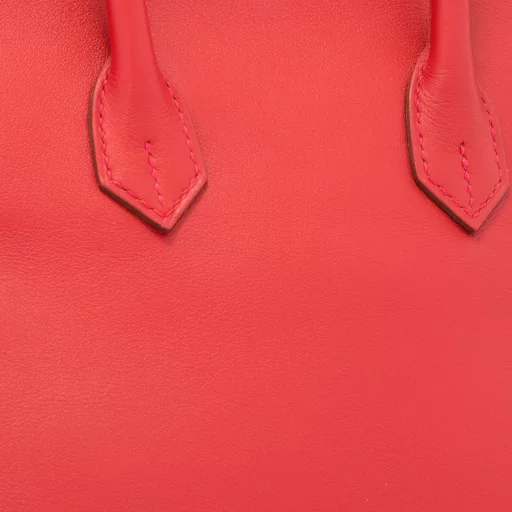
Кожа Swift leather was initially called Gulliver, until it was discontinued in 1999 and renamed, only to be reintroduced into production in 2006.
This type of Hermès leather is notable for its lightness, smoothness and elasticity; it absorbs dyes superbly, which makes the colour appear more saturated.
To the touch it is semi-smooth and not as glossy as Box Calf or Tadelakt leather.
-
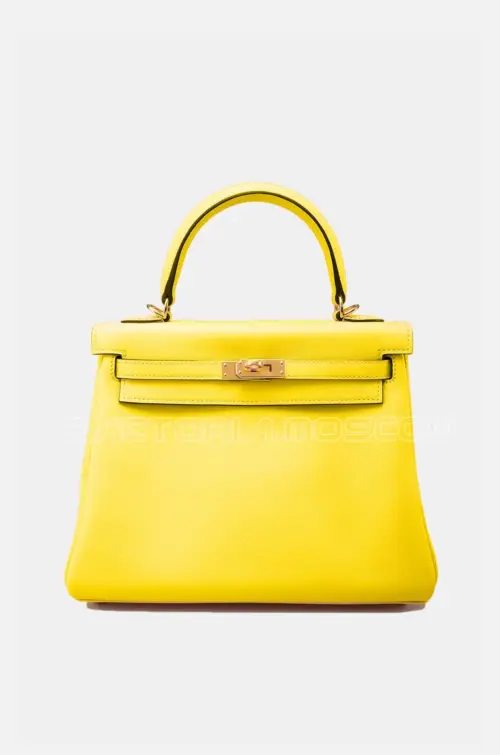 Hermes Kelly Retourne 25 Swift Jaune De Naples GHW
-
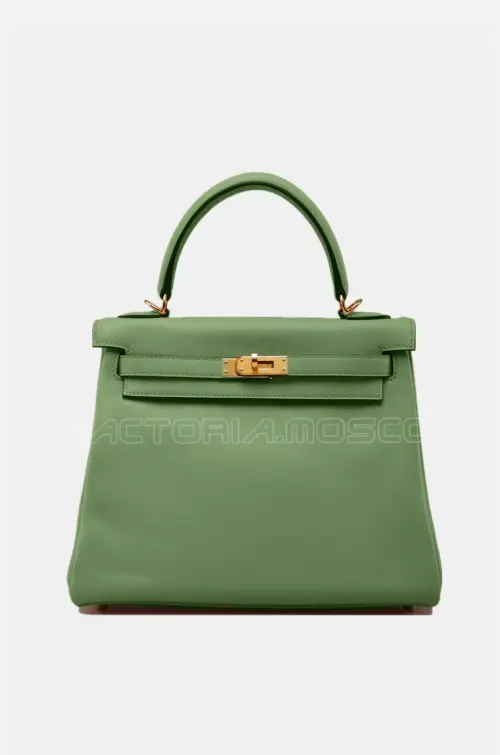 Hermes Kelly Retourne 25 Swift Vert Qriquet GHW
-
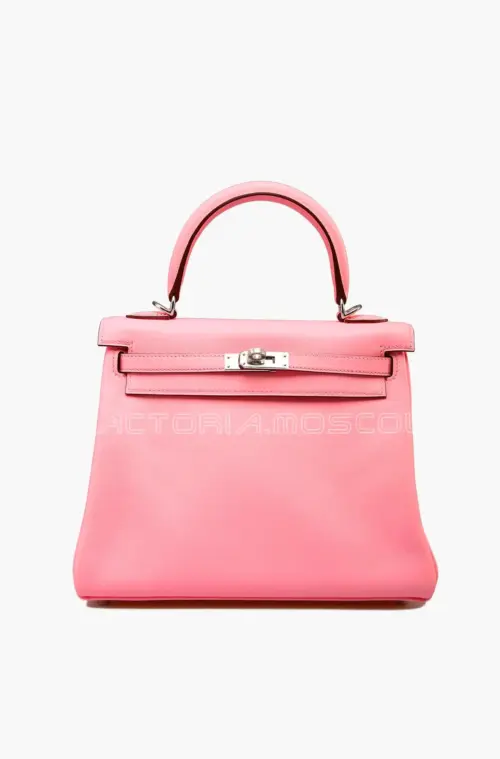 Hermes Kelly Retourne 25 Swift Rose Confetti PHW
-
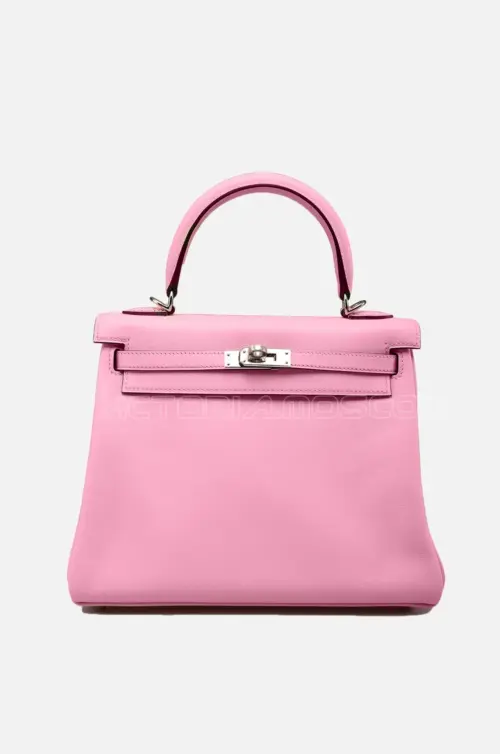 Hermes Kelly Retourne 28 Swift Mauve Sylvestre PHW
-
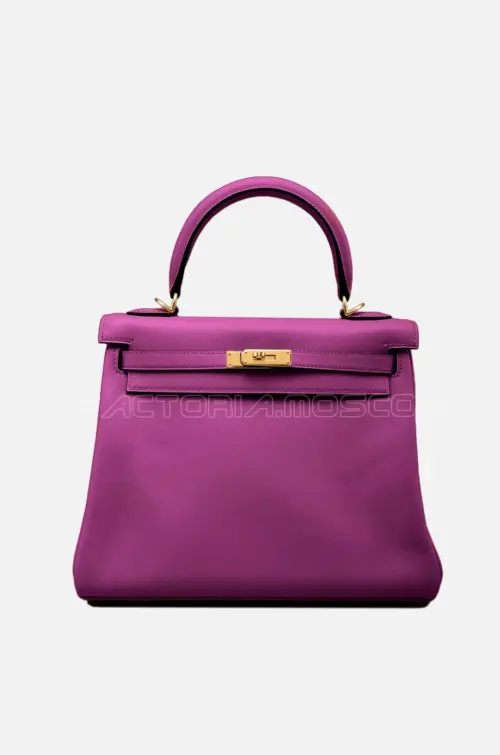 Hermes Kelly Retourne 28 Swift Color Anemone GHW
-
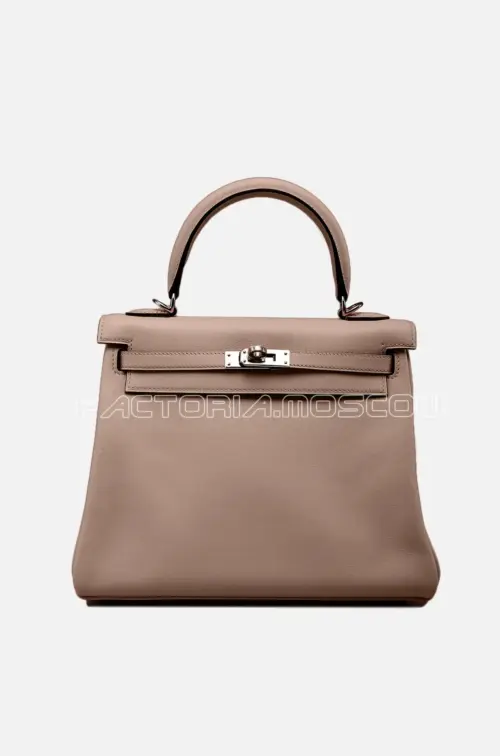 Hermes Kelly Retourne 28 Swift Color Biscuit PHW
-
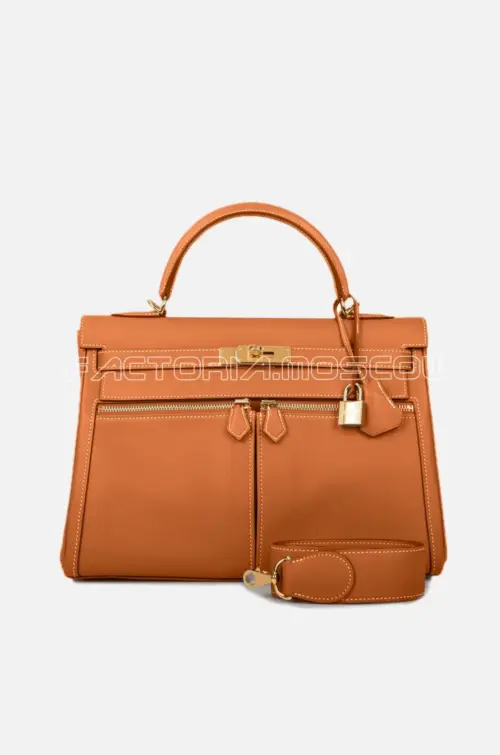 Hermes Kelly Lakis 32 Swift Gold GHW
-
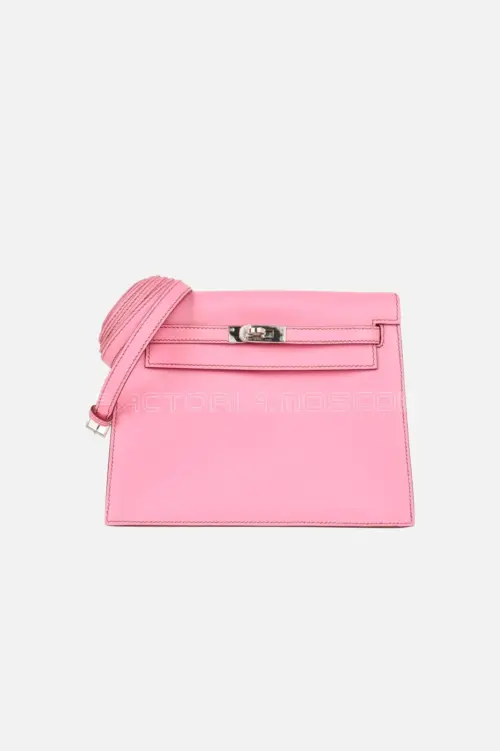 Hermes Kelly Danse II Swift Color 5 Р Pink Bubblegum PHW
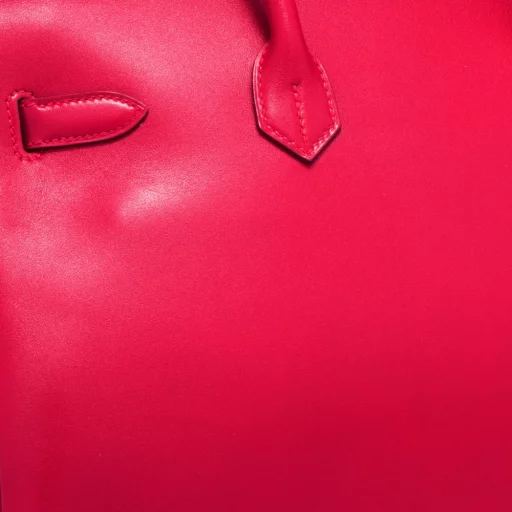
Veau Tadelakt — one of the most popular types of Hermès leather, though it is often confused with Box Calf due to their many shared features. Both types of leather are known for their smooth, glossy finish, so they are prone to scratches, and if they come into contact with water, stains may remain unless wiped off in time. Tadelakt has a silky texture.
-
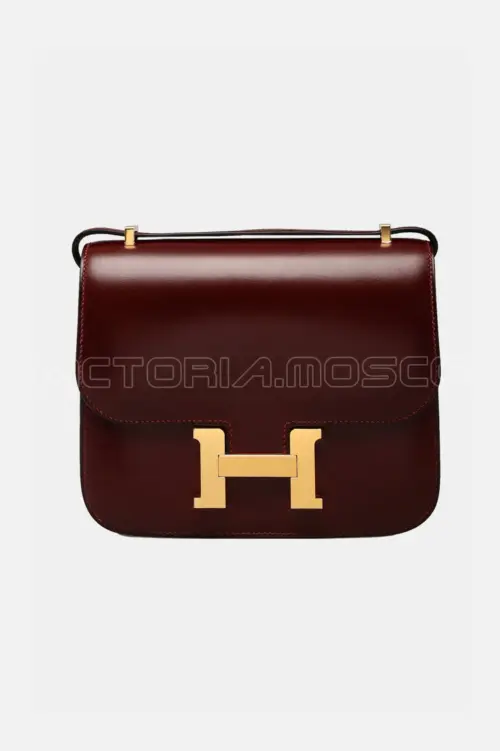 Hermes Constance 18 Box Calf Color Rouge H GHW
-
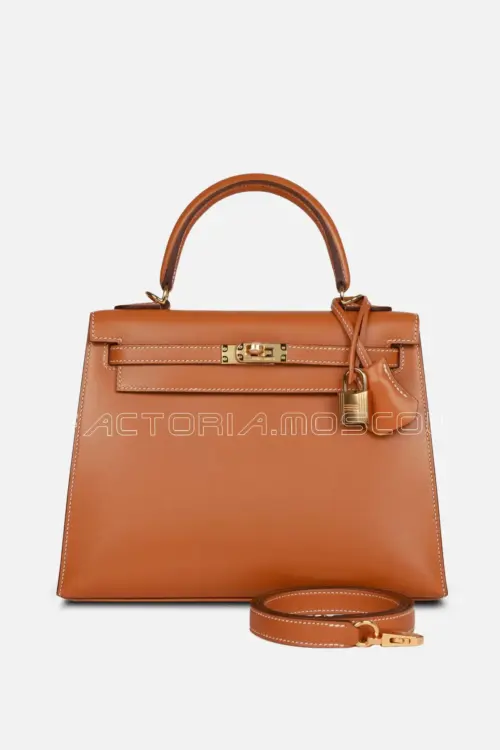 Hermès Kelly Sellier 25 Natural Sable Butler GHW
-
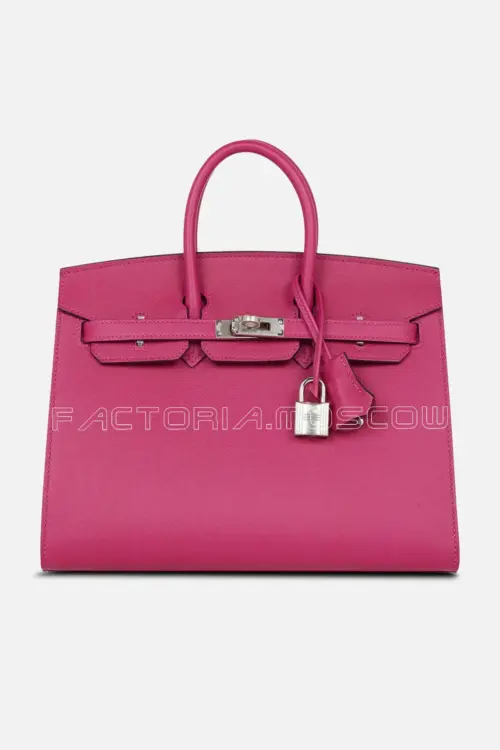 Hermès Birkin Sellier 25 Rose Pourpre Veau Madame PHW
-
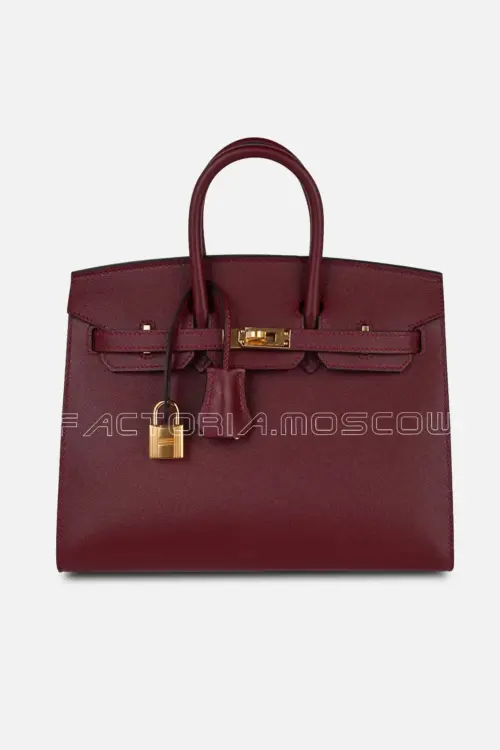 Hermes Birkin 25 Bag Sellier Rouge H Veau Madame GHW
-
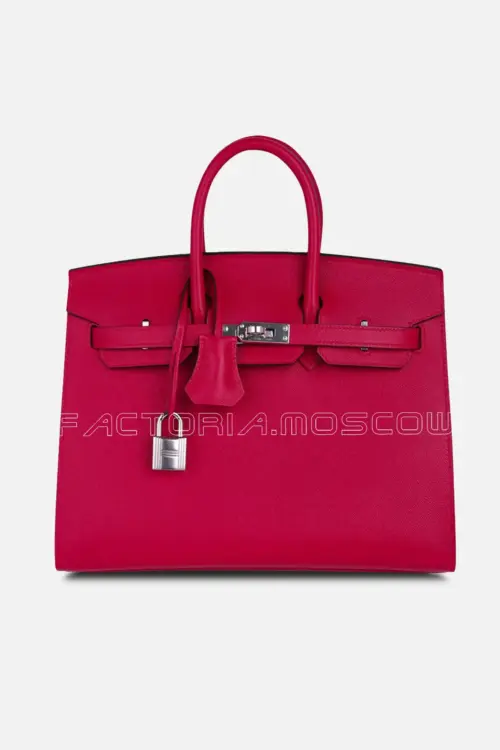 Hermes Birkin 25 Sellier Framboise Veau Madame PHW
-
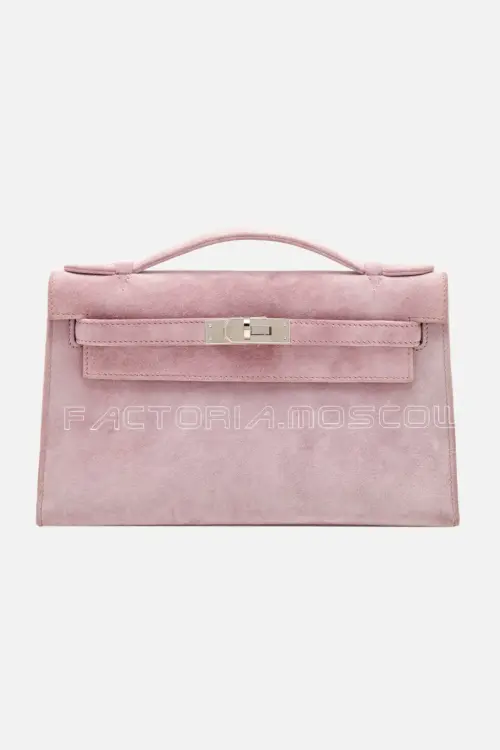 Hermès Kelly Pochette Veau Doblis Color Lilac PHW
-
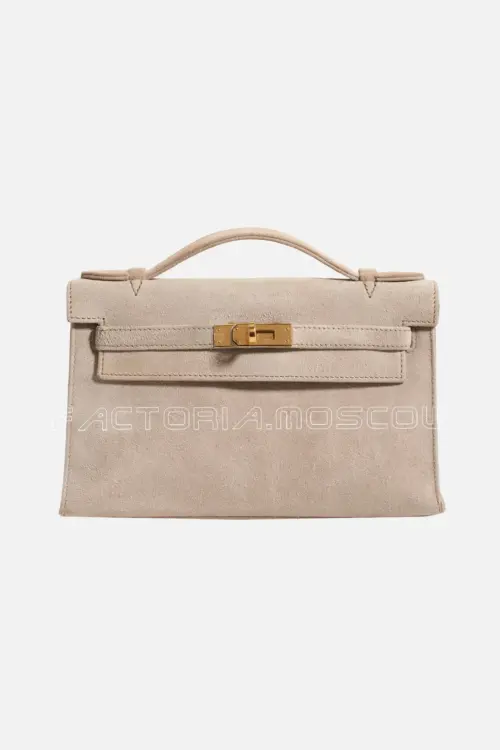 Hermes Kelly Pochette Veau Doblis Color Biscuit GHW
-
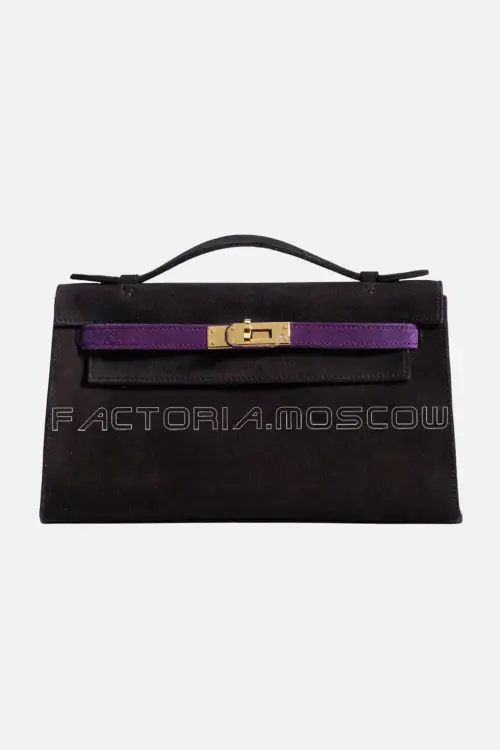 Hermes Kelly Pochette Veau Doblis Color Black/Violet GHW
Box Calf — the oldest Hermès leather. It is an elastic, delicate, smooth leather with a glossy sheen that is highly prized by collectors. Box Calf is susceptible to scratches, but the scratches seem to blend into the overall shimmer of the leather and go unnoticed. If Box Calf leather gets wet in the rain, it must be wiped dry without fail. Nowadays, this material can very rarely be seen in boutiques. Most often, bags made from this type of leather can be found in small vintage shops.
-
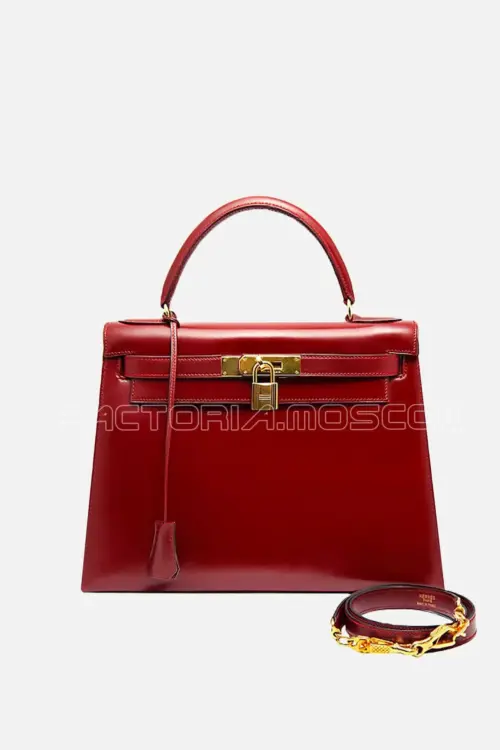 Hermes Kelly Sellier 28 Box leather Rouge H GHW
-
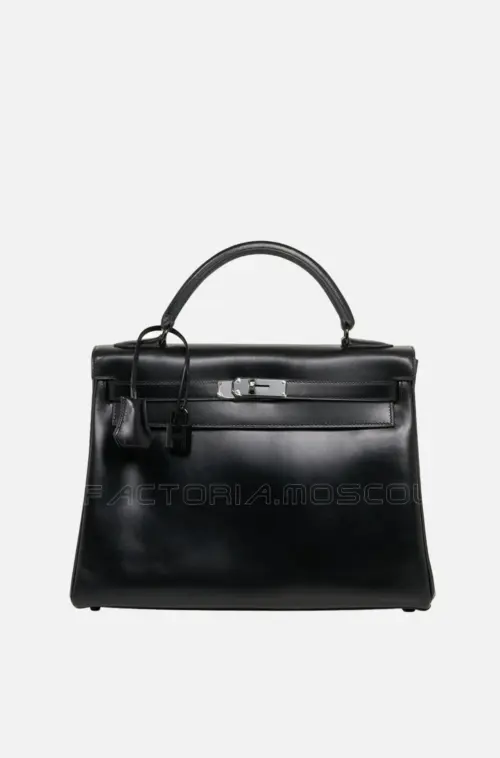 Hermes Kelly Retourne 32 So black Box Calf Hardware Black enamel
-
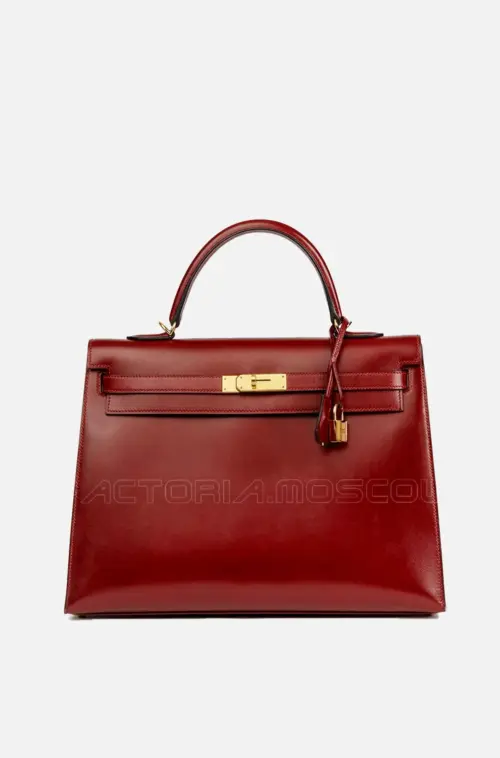 Hermes Kelly Sellier 35 Box Calf Color Rouge H GHW
-
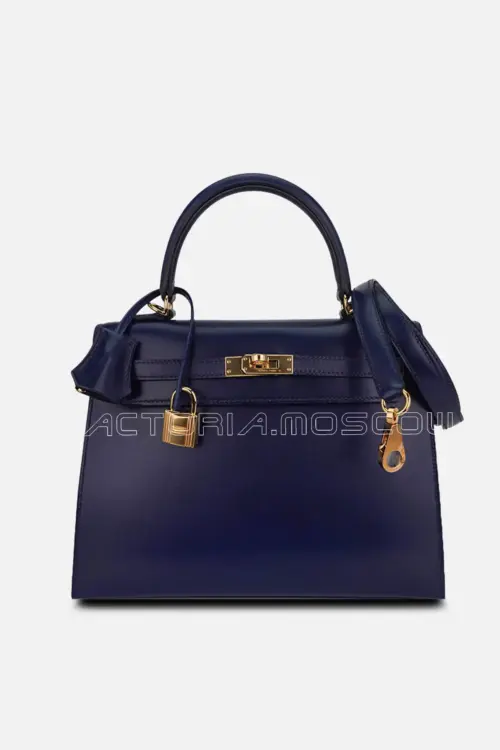 Hermes Kelly Sellier 25 Bag Blue Sapphire Box Leather GHW
-
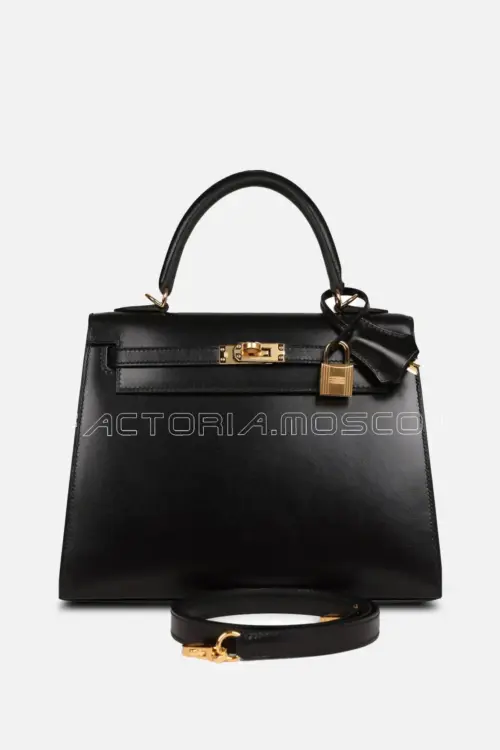 Hermès Kelly Sellier 25 Black Box GHW
-
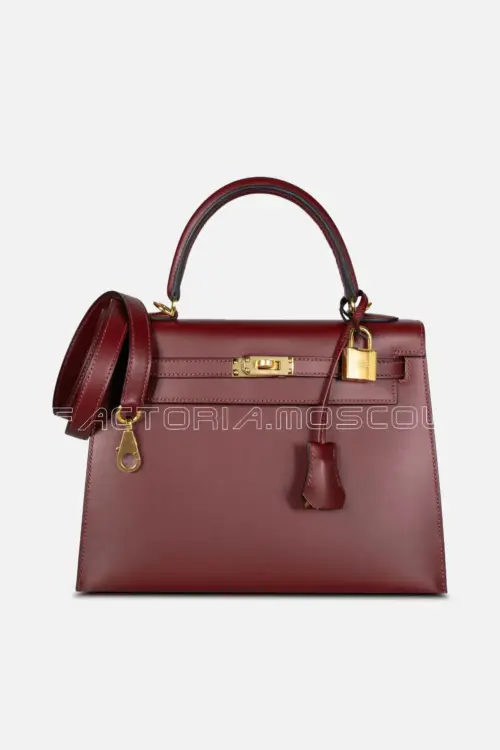 Hermès Kelly Sellier 25 Rouge H Box calf Leather GHW
-
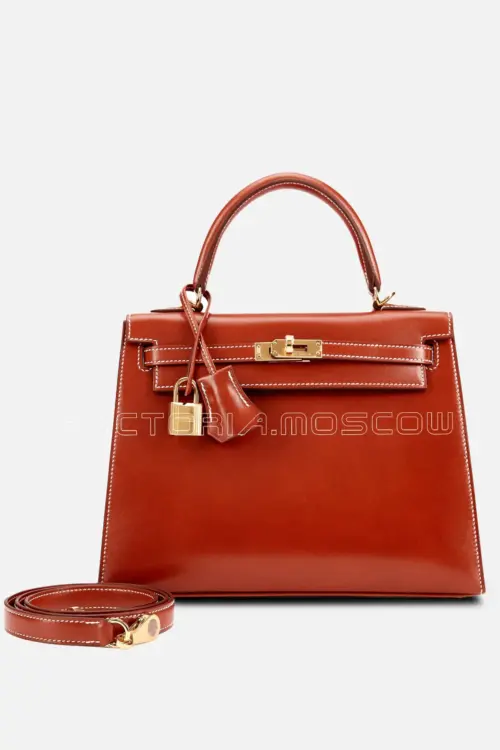 Hermes Kelly Sellier 25 Brique Box GHW
-
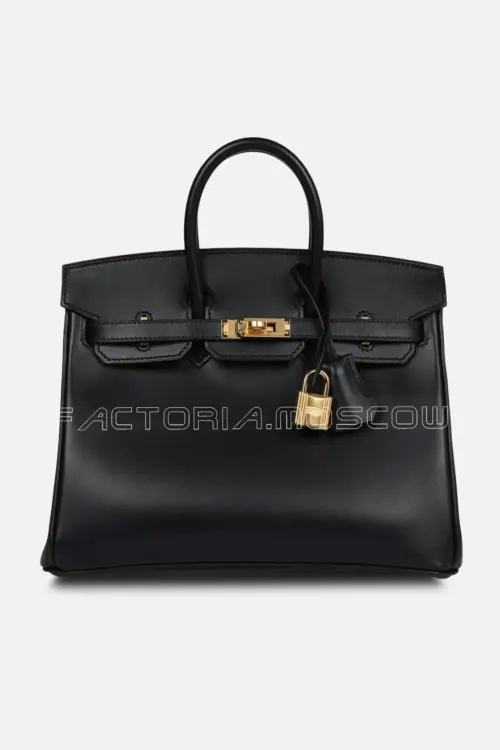 Hermès Birkin 25 Black Box GHW
Naturally Grained Calfskin
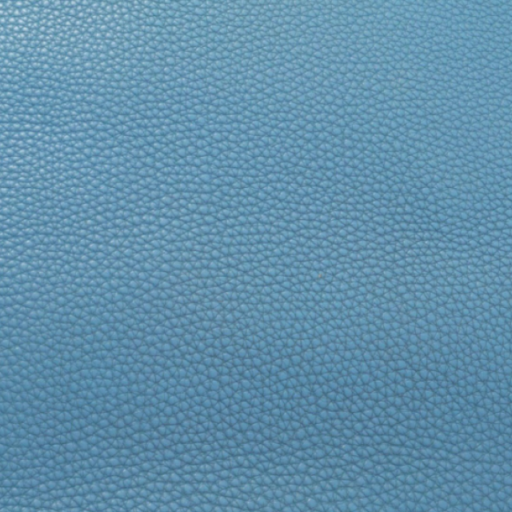
Clemence is very similar in structure to Togo. These two types of leather are often confused. You need to pay attention to the grain. On Clémence, the grain is flatter than on Togo. Compared with Togo, Clémence is a heavier and even softer leather, which tends to sag over time.
-
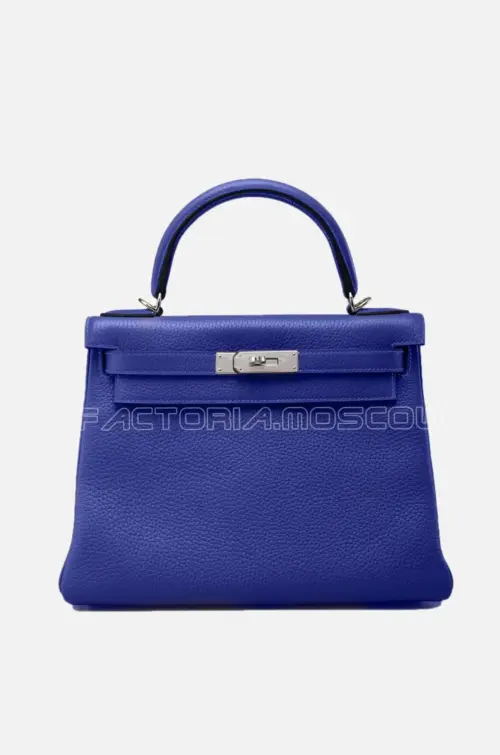 Hermes Kelly Retourne 28 Clemence Color Blue Electric PHW
-
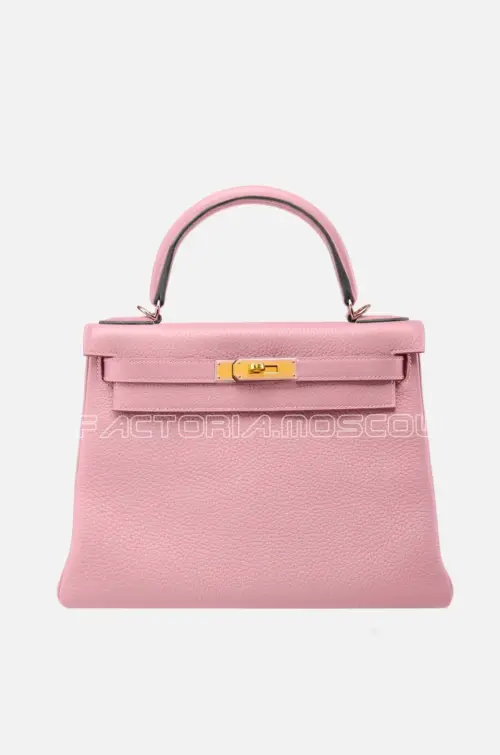 Hermes Kelly Retourne 28 Clemence Color Rose Sakura GHW
-
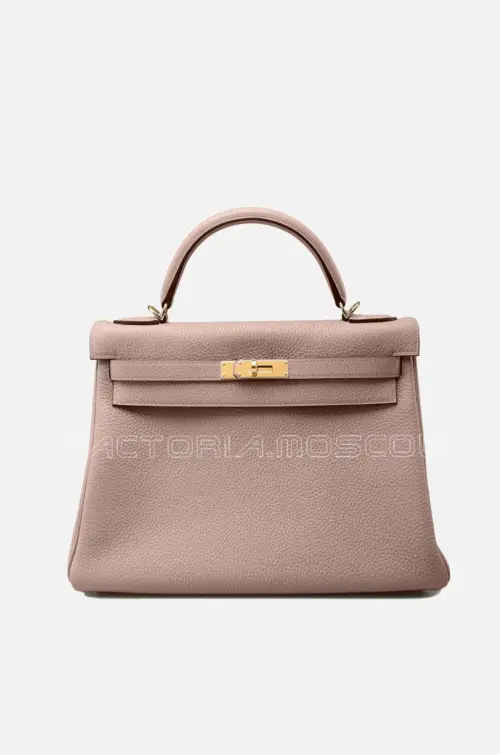 Hermes Kelly Retourne 32 Clemence Gris Asphalte GHW
-
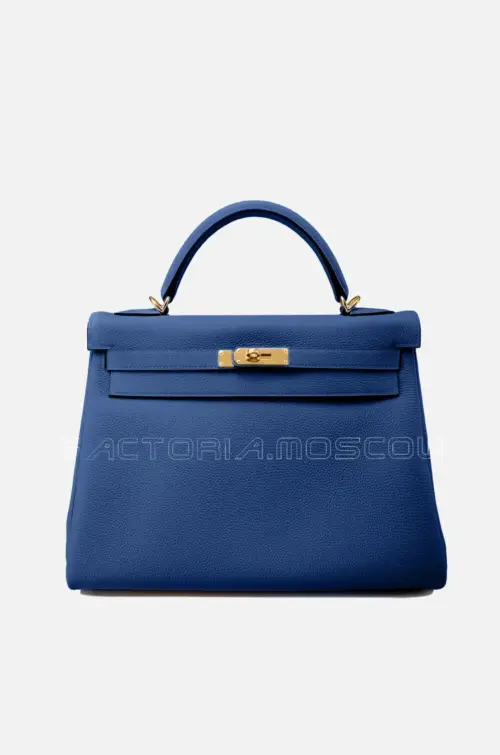 Hermes Kelly Retourne 32 Clemence Blue Brighton GHW
-
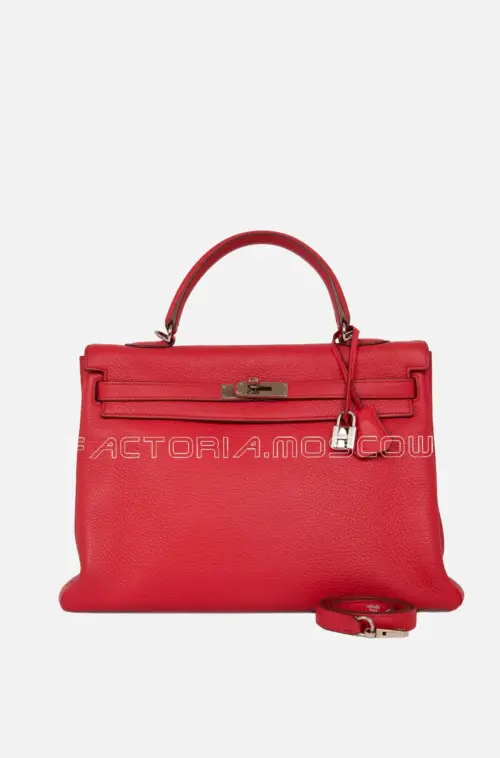 Hermes Kelly Retourne 35 Clemence Color Geranium PHW
-
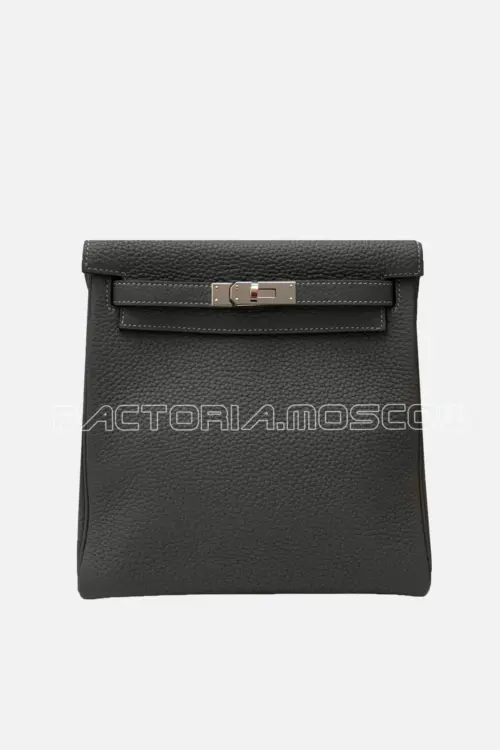 Hermes Kelly Ado II 22 Backpack Clemence Gris Etain (8 F) PHW
-
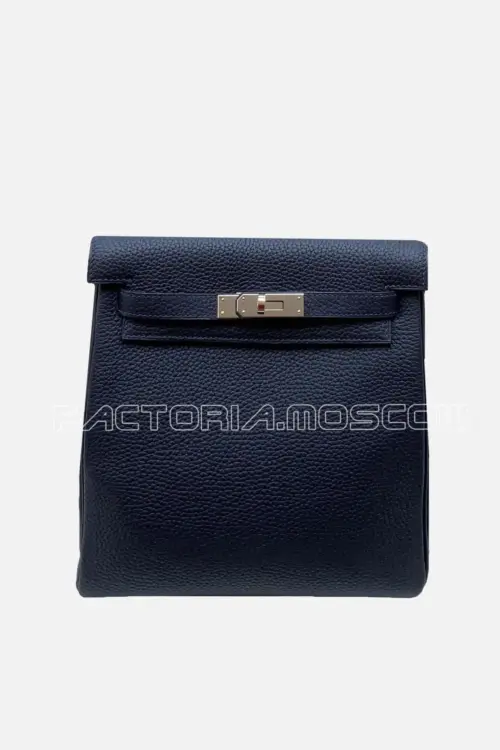 Hermes Kelly Ado II 22 Backpack Clemence Color Blue Nuit PHW
-
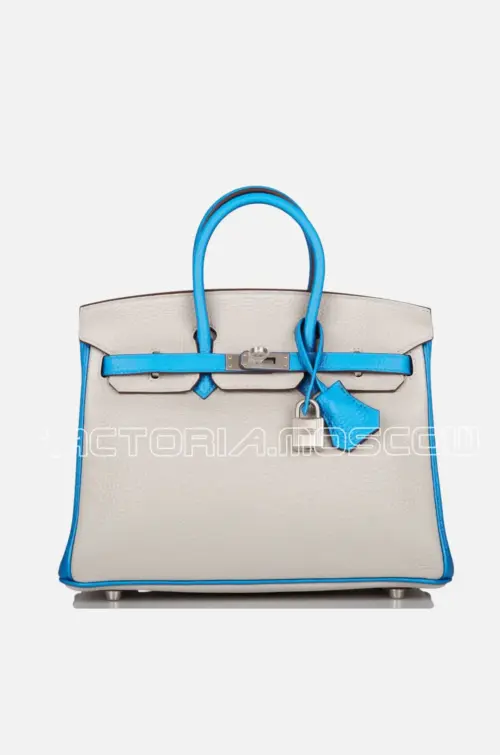 Hermes Birkin 25 Clemence Special Order (HSS) Beton/Blue de nord PHW
У Togo has a more pronounced leather structure that resembles pebbles. This is perhaps the most well-known of Hermès's grained-category leathers. Togo is a young calfskin that holds its shape excellently. Buyers tend to prefer this leather, as it will look like new for many years. Togo is resistant to scratches; you only need to keep an eye on the corners of the bag. After a certain period of constant wear, they may require restoration. It was first introduced in 1997.
-
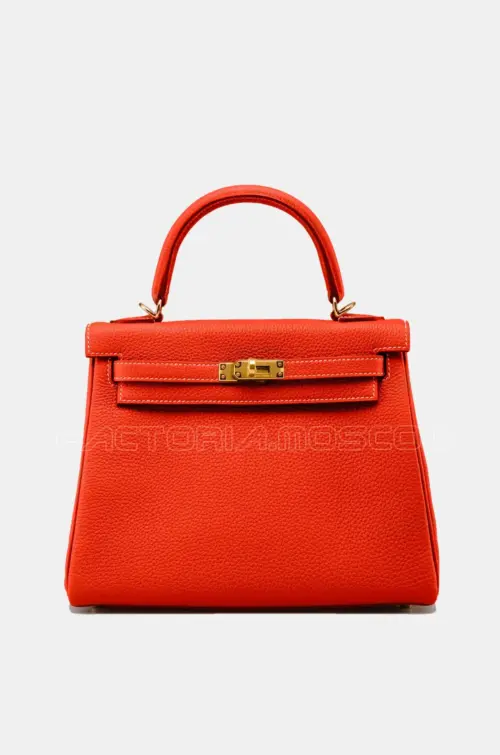 Hermes Kelly Retourne 25 Togo Capucine GHW
-
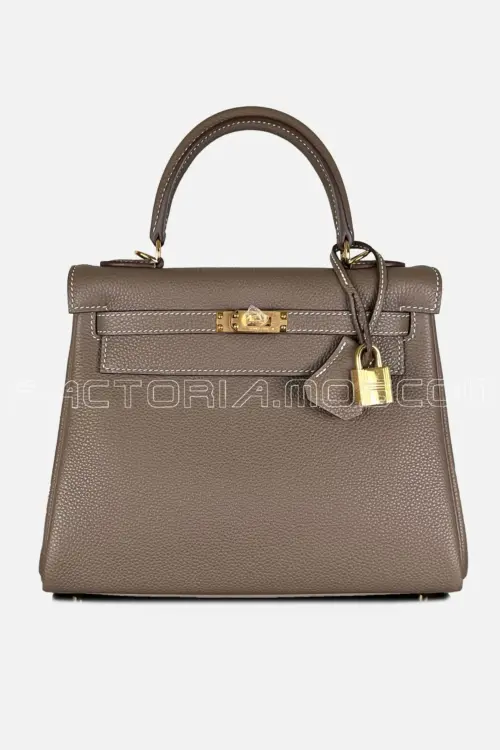 Kelly Retourne 25 Togo Etoupe GHW
-
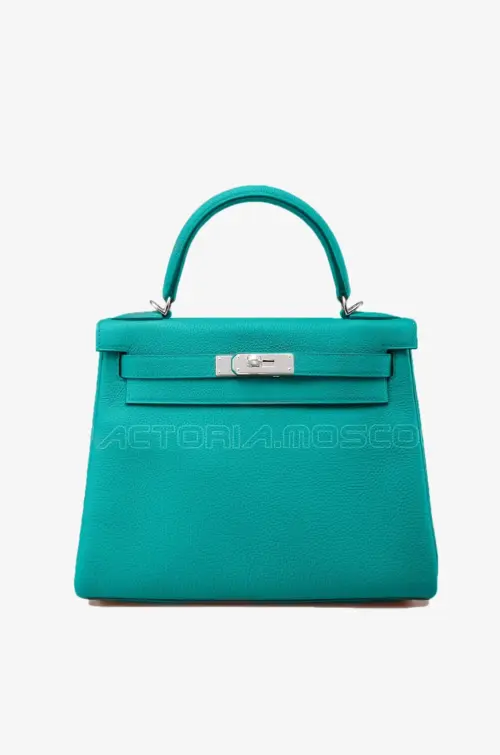 Hermes Kelly Retourne 25 Togo Blue Paon PHW
-
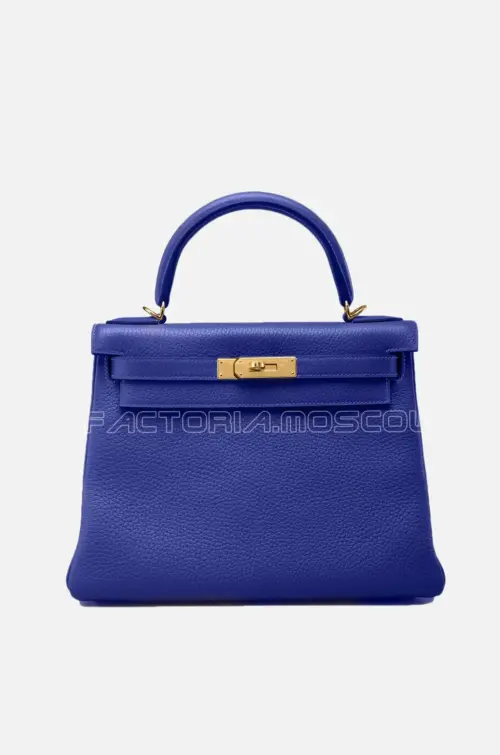 Hermes Kelly Retourne 25 Togo Blue Electric GHW
-
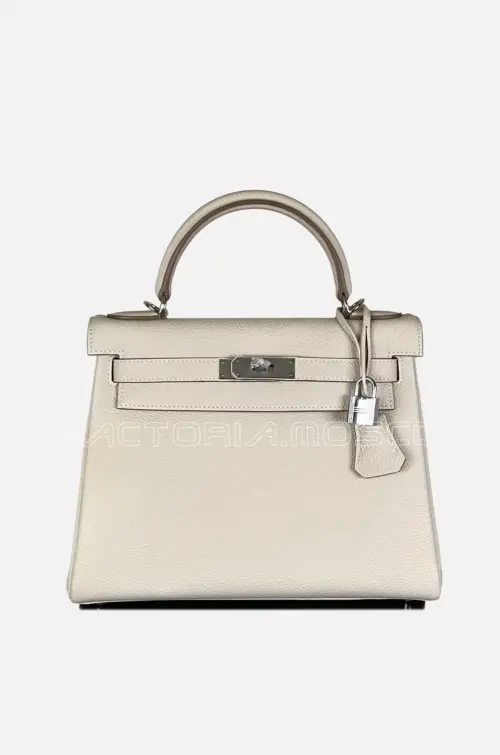 Hermes Kelly Retourne 28 Togo Craie PHW
-
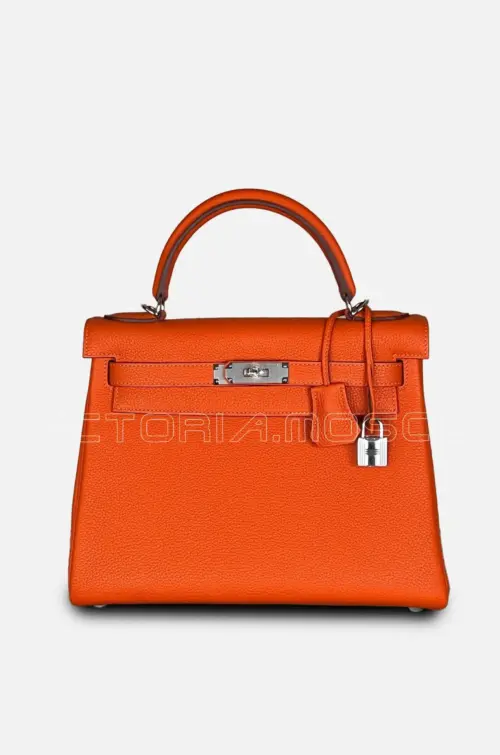 Hermes Kelly Retourne 28 Togo Color Capucine PHW
-
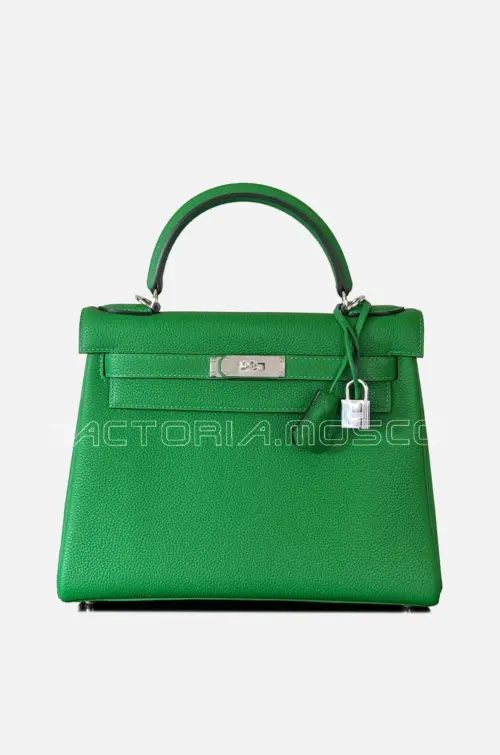 Hermes Kelly Retourne 28 Togo Bamboo PHW
-
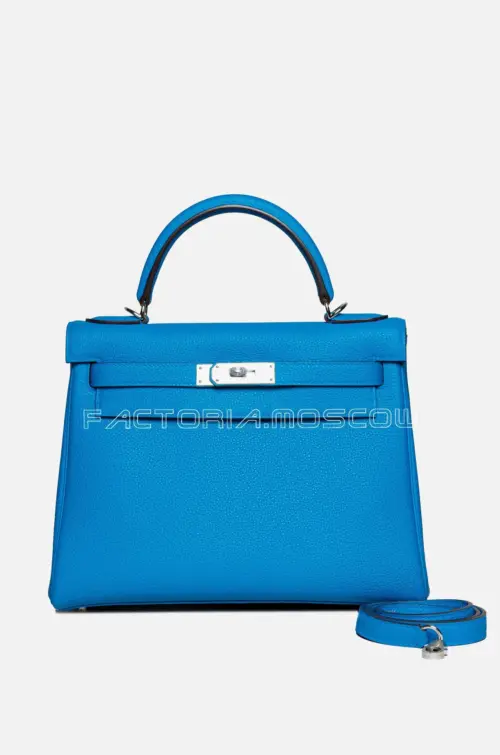 Hermes Kelly Retourne 28 Togo Color Blue Izmir PHW
Evercolor was introduced in 2013. Evercolor is a pressed leather with a dense texture. It is soft to the touch and very durable, with a subtle satin sheen. Originally used to produce small leather goods, today Evercolor is a popular choice for Kelly, Constance and Lindy bags.
-
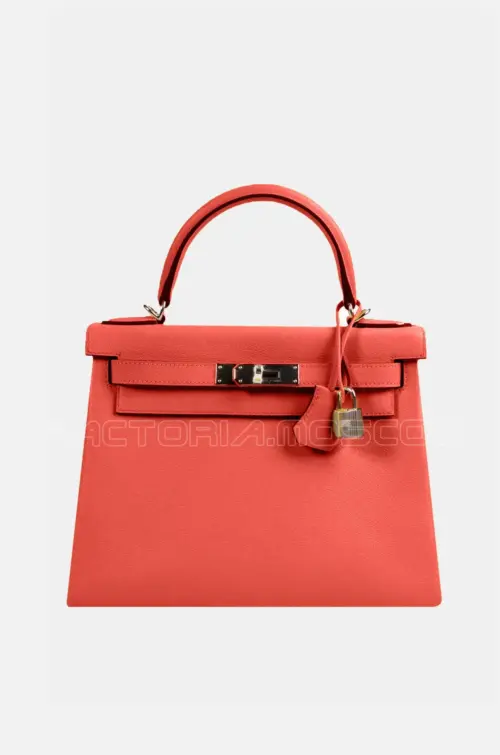 Hermes Kelly 28 Evercolor Color Rouge Tomate PHW
-
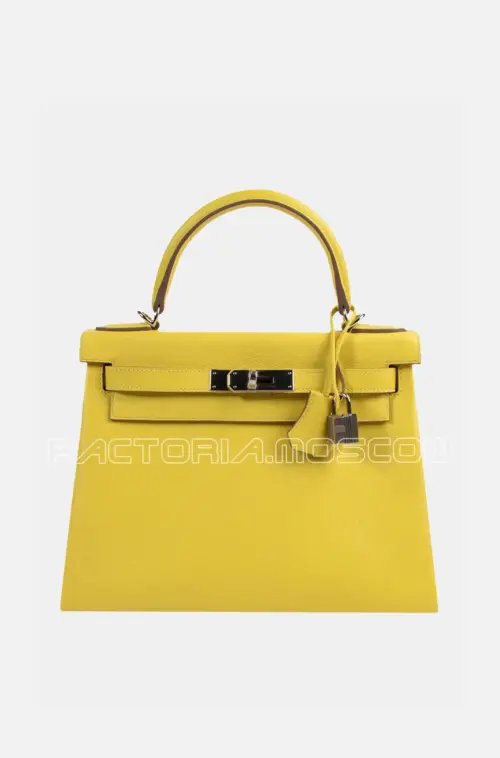 Hermes Kelly 28 Evercolor Color Lime PHW
-
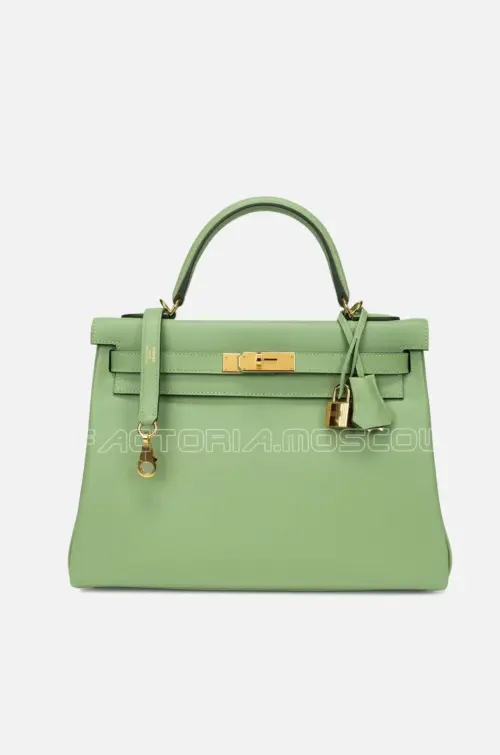 Hermes Kelly Retourne 32 Evercolor Vert Qriquete GHW
-
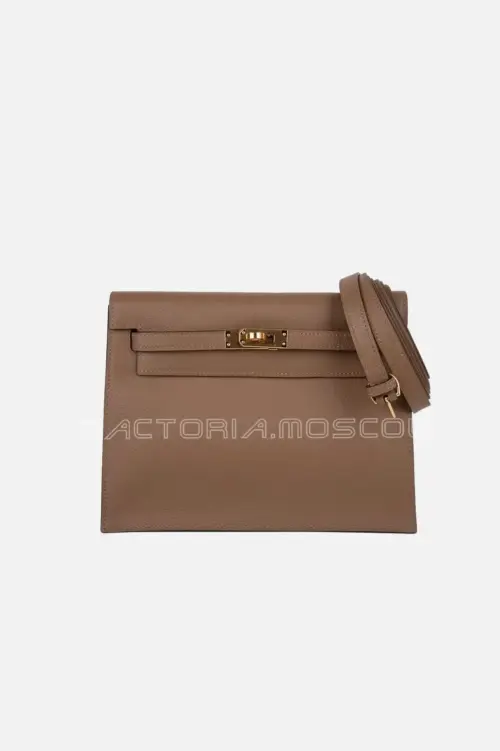 Hermes Kelly Danse II Evercolor Color Biscuit GHW
-
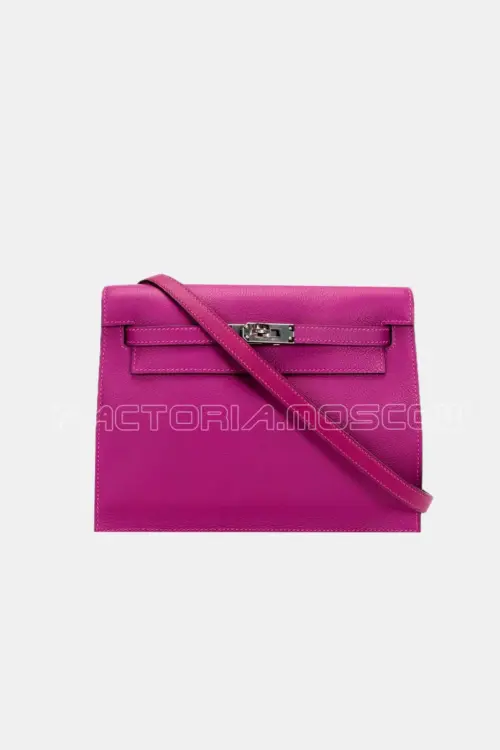 Hermes Kelly Danse II Evercolor Color Rose Purple PHW
-
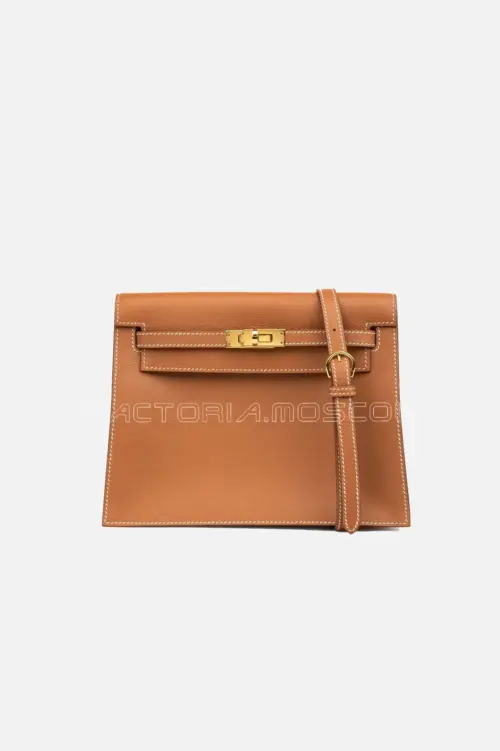 Hermes Kelly Danse II Evercolor Color Gold GHW
-
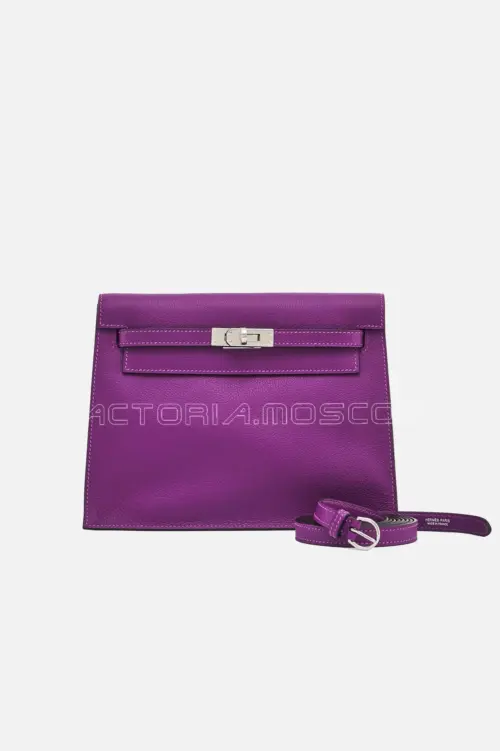 Hermes Kelly Danse II Evercolor Color Anemone PHW
-
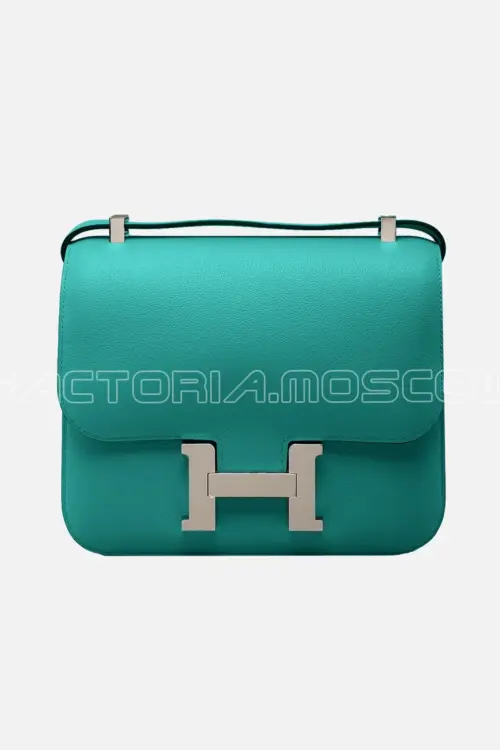 Hermes Constance 18 Evercolor Vert Verone PHW
Artificially Grained Calfskin
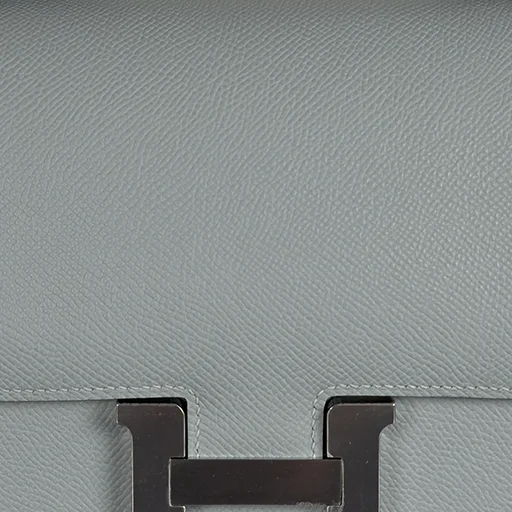
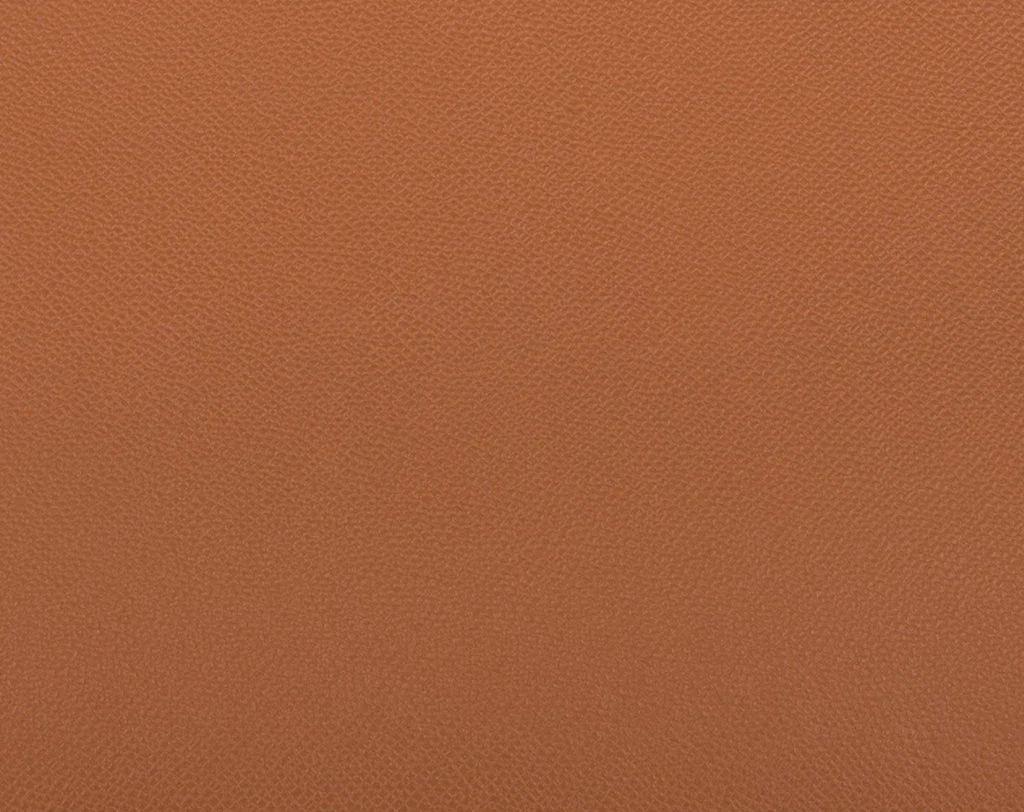
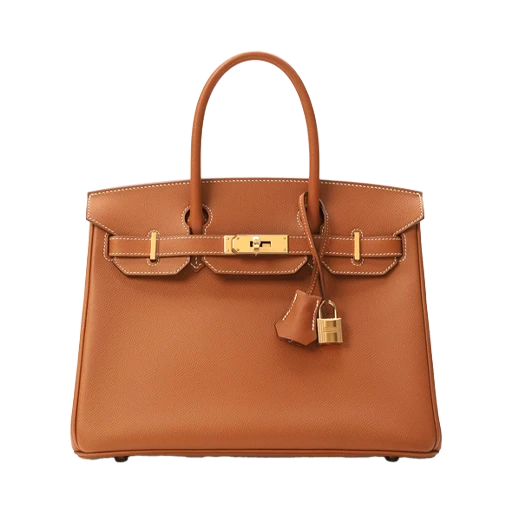
Veau Epsom is one of the most popular materials on the Hermès leather list. The grain is formed by pressing the leather. The surface of this leather looks laminated.
Epsom leather keeps its shape over time. Along with its durability, the embossed surface allows it to be water-resistant and far less prone to scratching. Epsom leather is also very light and easy to clean, requiring only a simple touch of a damp cloth.
-
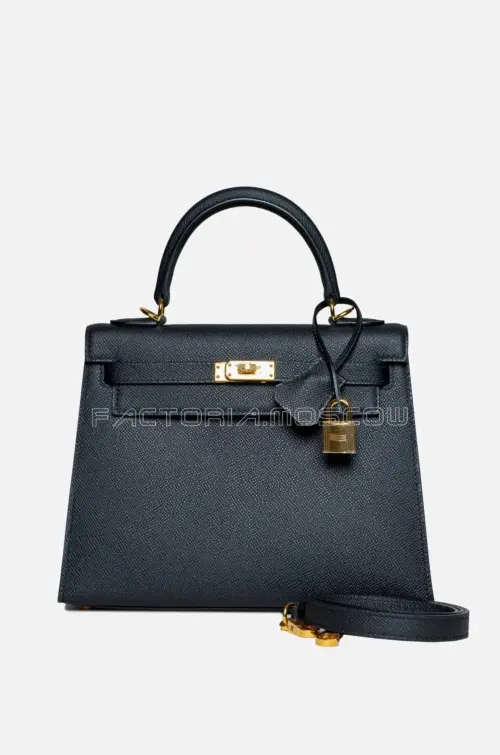 Hermes Kelly Sellier 25 Epsom Black GHW
-
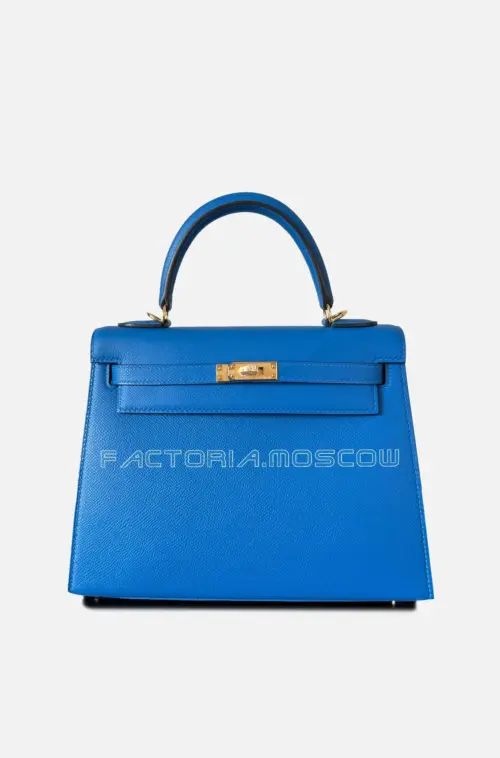 Hermes Kelly Sellier 25 Epsom Blue France GHW
-
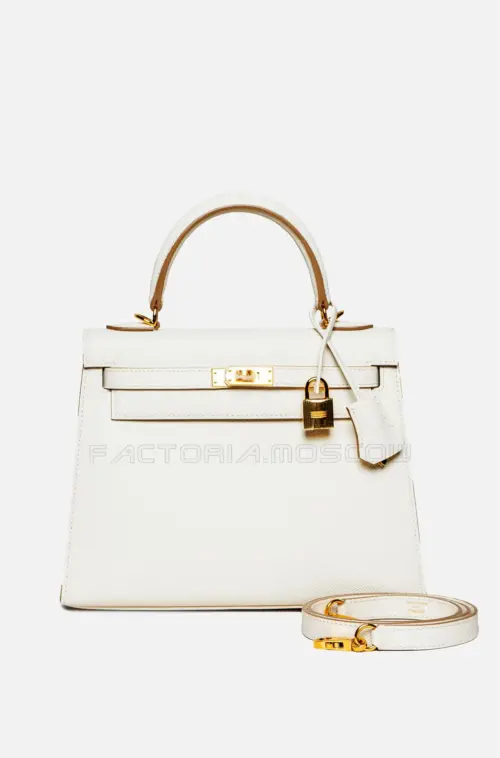 Hermes Kelly Sellier 25 Epsom Craie GHW
-
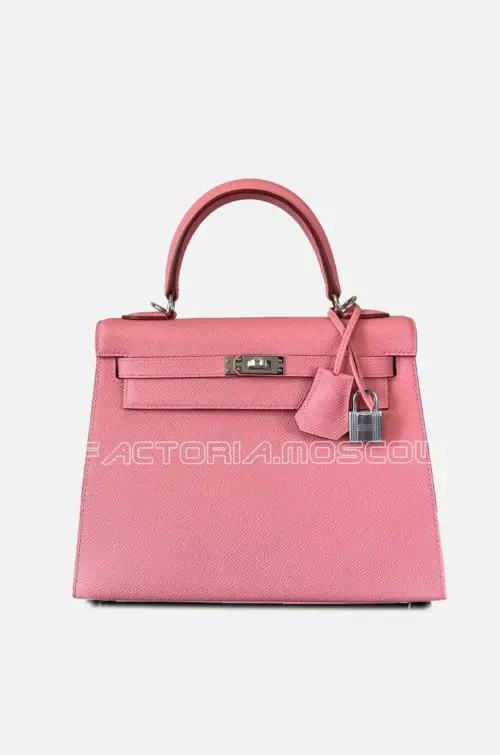 Hermes Kelly Sellier 25 Epsom Rose Confetti PHW
-
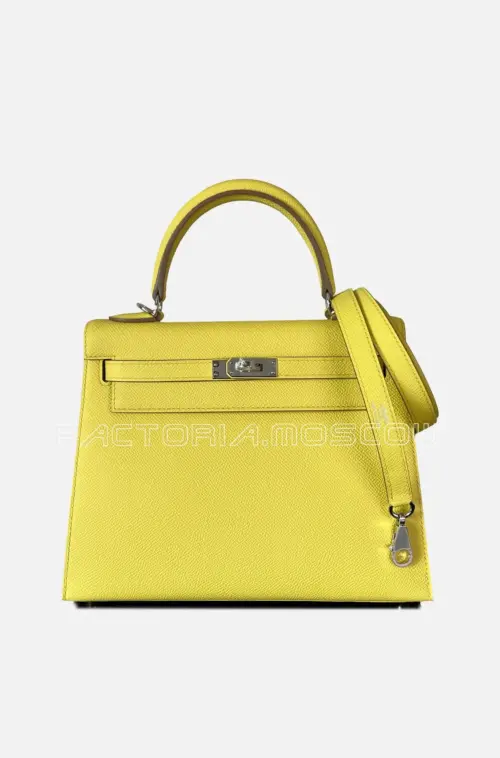 Hermes Kelly Sellier 25 Epsom Lime PHW
-
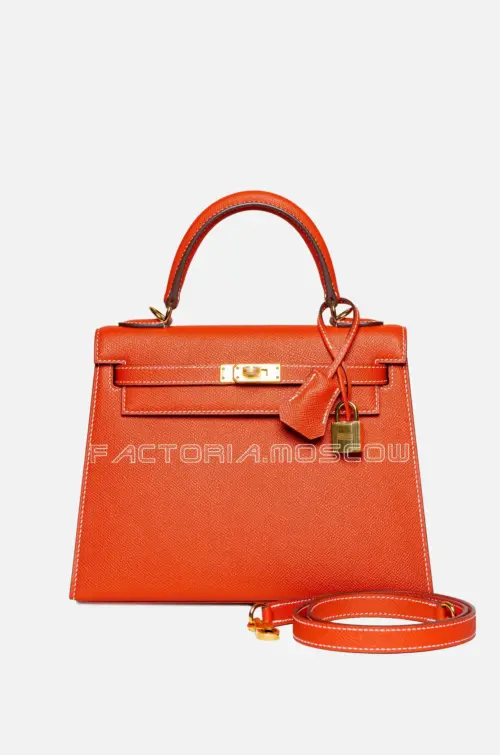 Hermes Kelly Sellier 25 Epsom Sienne GHW
-
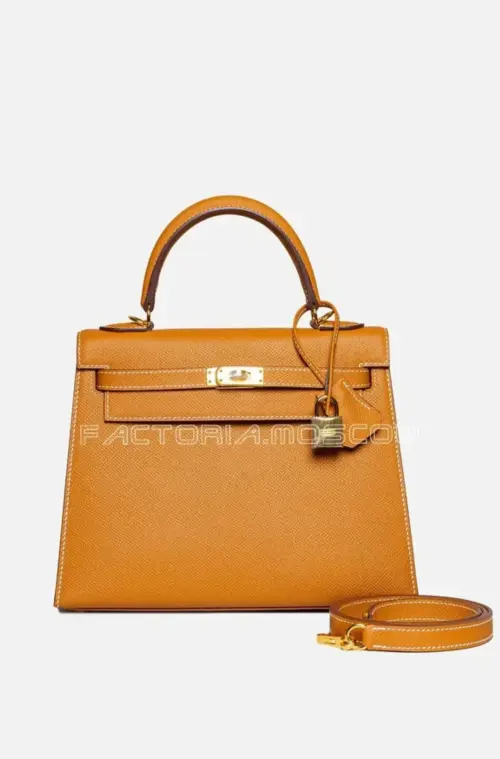 Hermes Kelly Sellier 25 Epsom Gold GHW
-
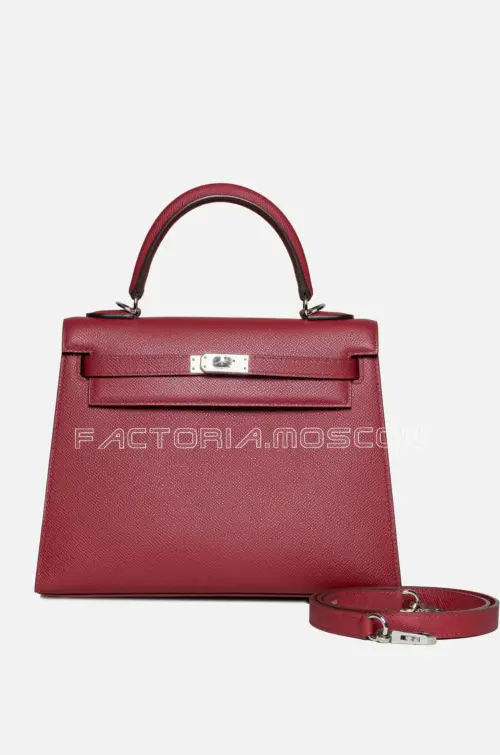 Hermes Kelly Sellier 25 Epsom Rouge H PHW
Madame is the "sister" of Epsom leather, visually they are very similar. The embossing is the same, but Madame's texture is finer and softer to the touch. It is quite light, while appearing glossier than Epsom. It holds its shape well and is most often used in the Birkin and Kelly Sellier models.
-
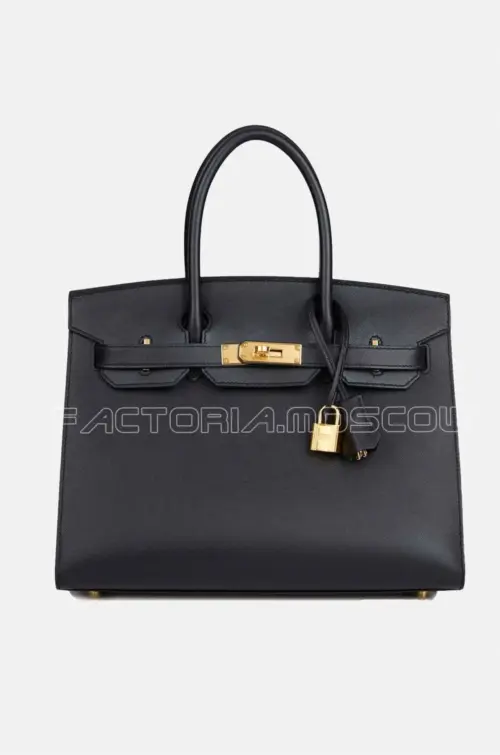 Hermes Birkin Sellier 30 Madame Color Black GHW
-
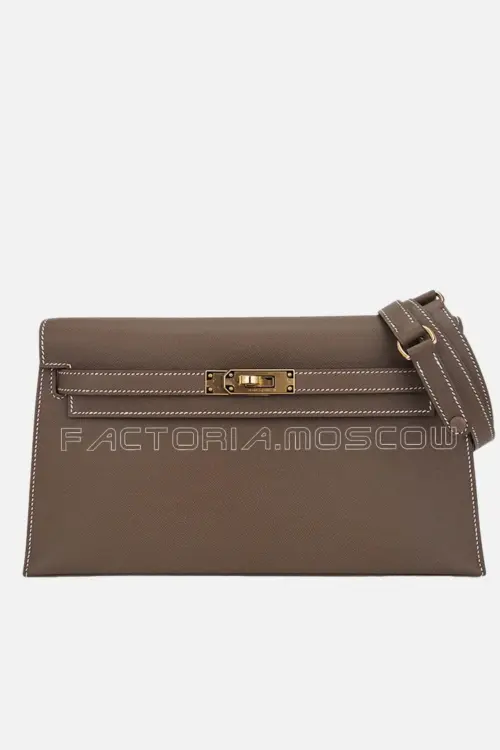 Hermes Kelly Elan Color Etoupe Madame Leather GHW
-
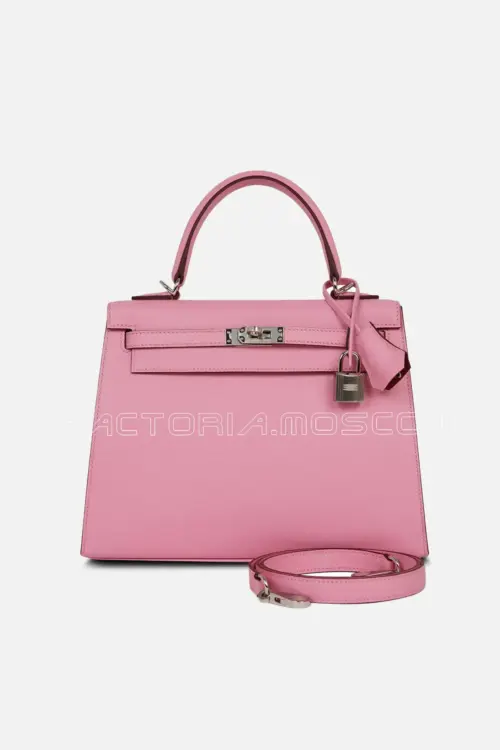 Hermès Kelly Sellier 25 Pink Verso Madame PHW
-
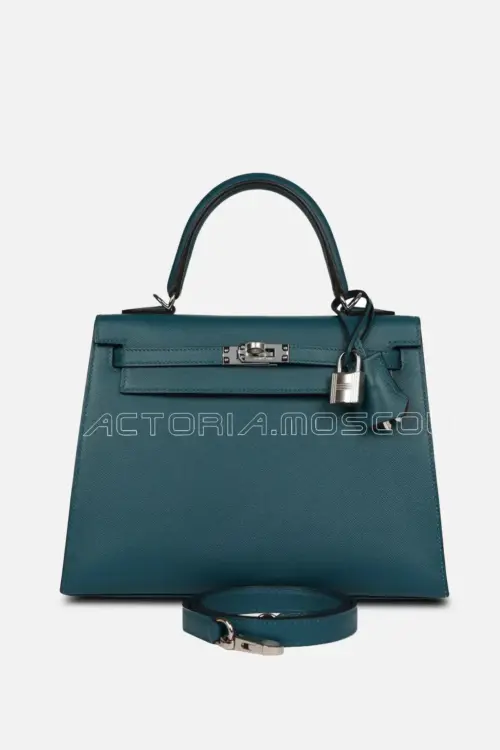 Hermès Kelly Sellier 25 Vert Bosphore Verso Madame PHW
-
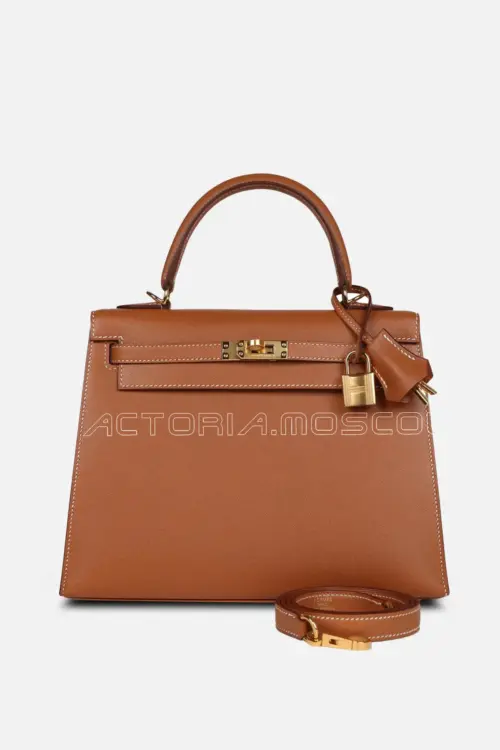 Hermès Kelly Sellier 25 Gold Madame GHW
-
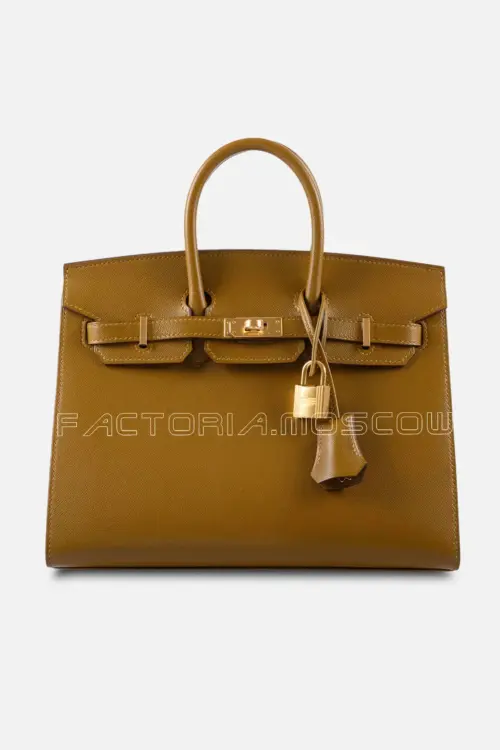 Hermes Birkin 25 Sellier Bronze Dore Madame GHW
-
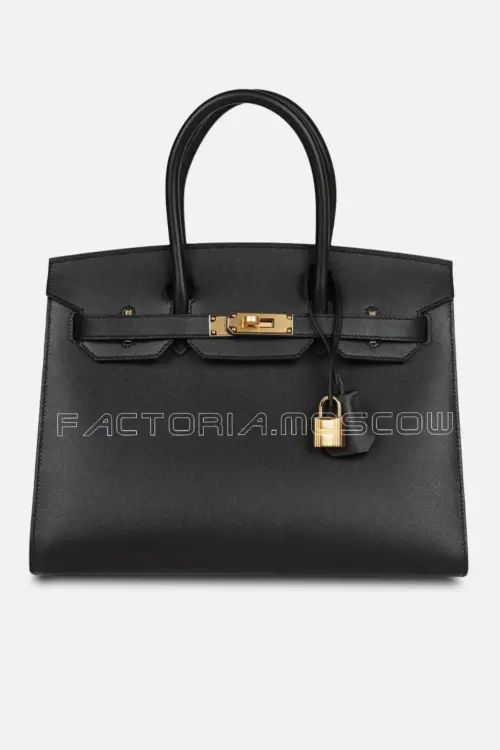 Hermès Birkin Sellier 30 Black Veau Madame GHW
-
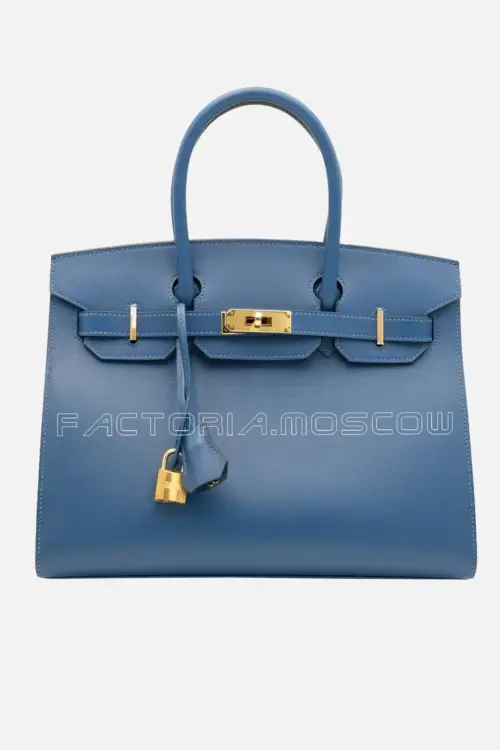 Hermes Deep Blue Madame Birkin 30 Sellier GHW
Treated Calfskin
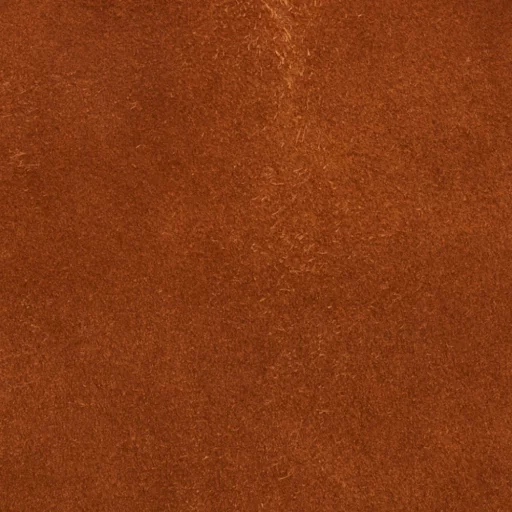
Doblis Suede is untanned calf leather, also known as Grizzly. It is essentially ordinary suede and should be kept away from water.
-
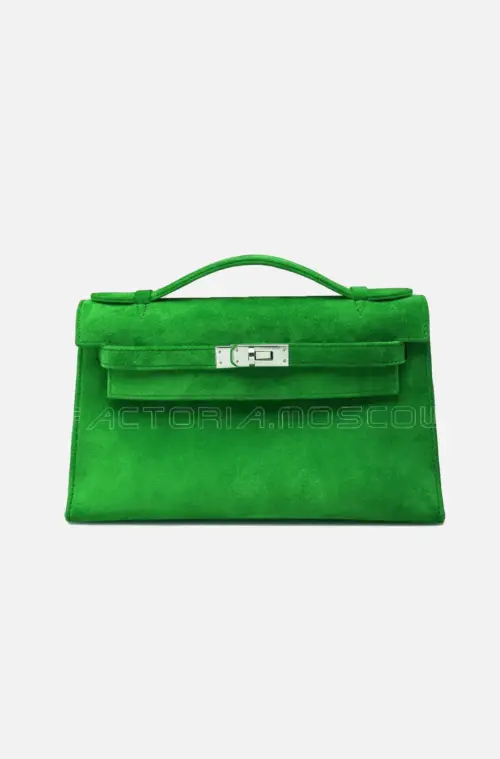 Hermes Kelly Pouchette Doblis Suede Color Bamboo PHW
-
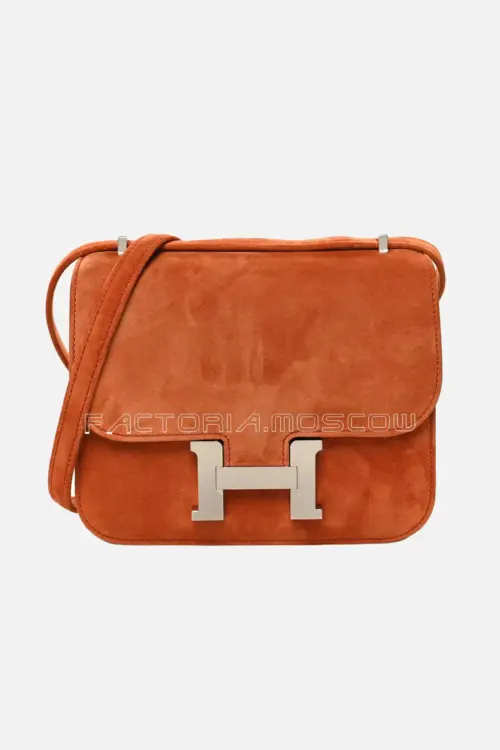 Hermes Constance 18 Doblis Color Orange PHW
-
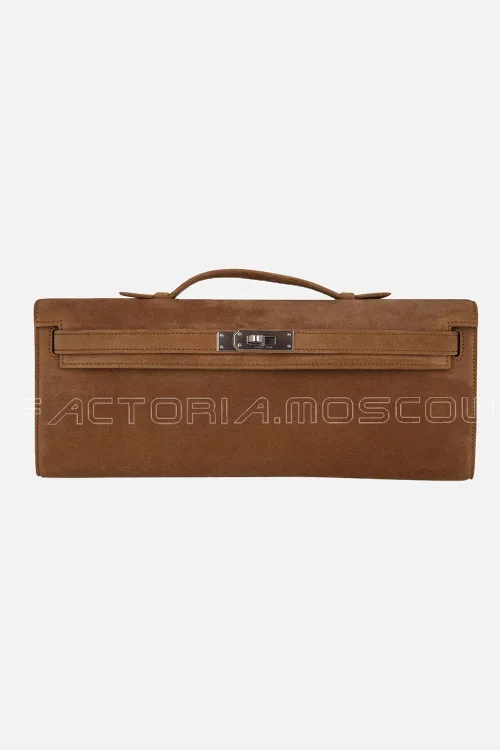 Hermes Kelly Cut Clutch Doblis Suede GHW PHW
-
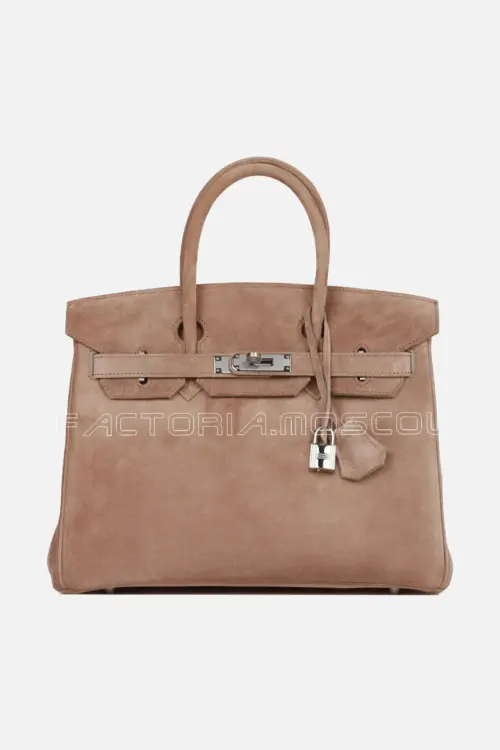 Hermes Birkin 30 Doblis Color Gris Pearl PHW
-
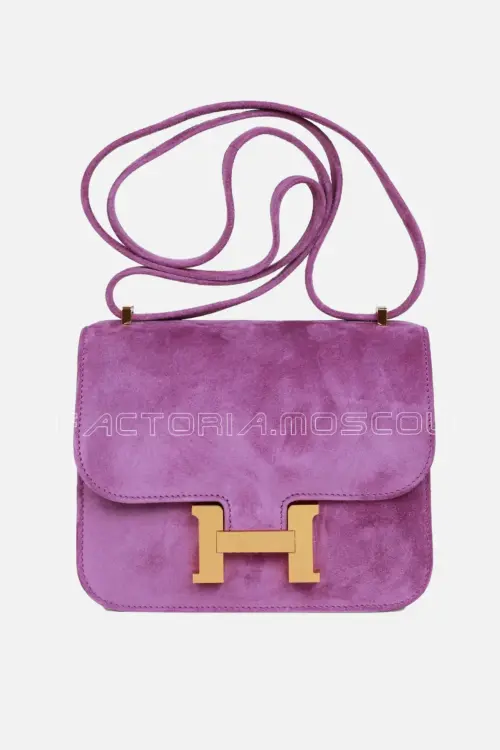 Hermes Constance 18 Doblis (suede) Violet GHW
-
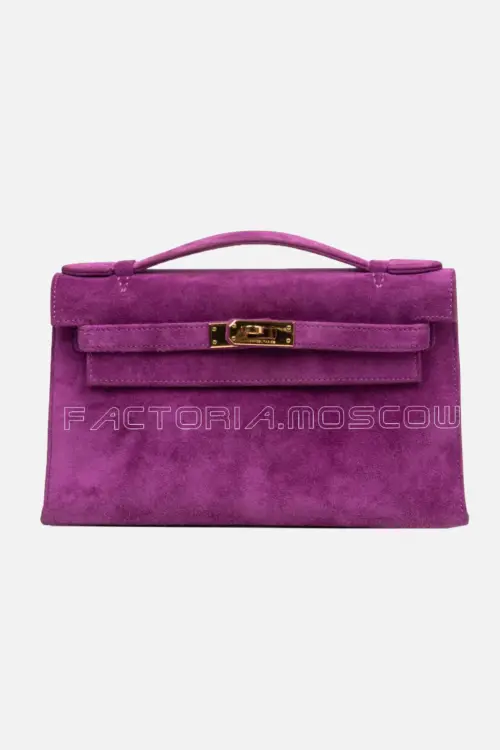 Hermes Kelly Pouchette Doblis (suede) Violet Purple GHW
-
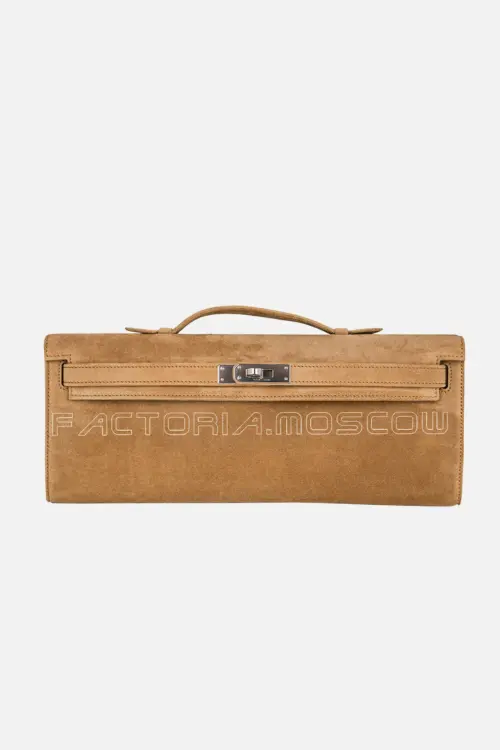 Hermes Kelly Cut Clutch Doblis (suede) Color Ocre PHW
-
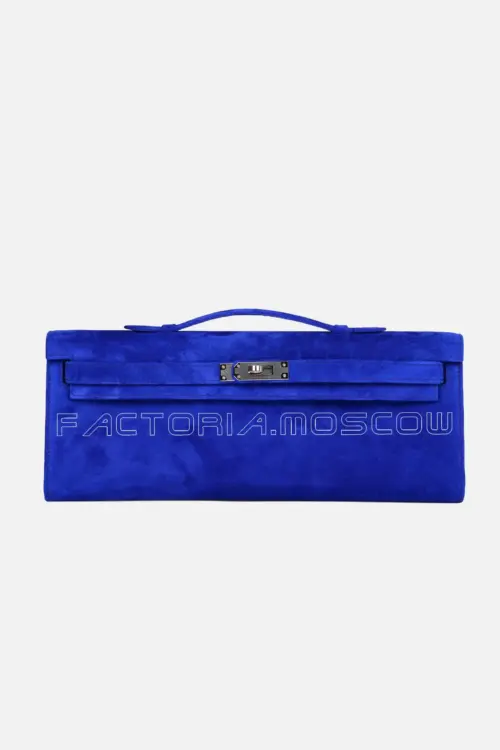 Hermes Kelly cut clutch Doblis (suede) Blue Electric PHW
Naturally Grained Goatskin
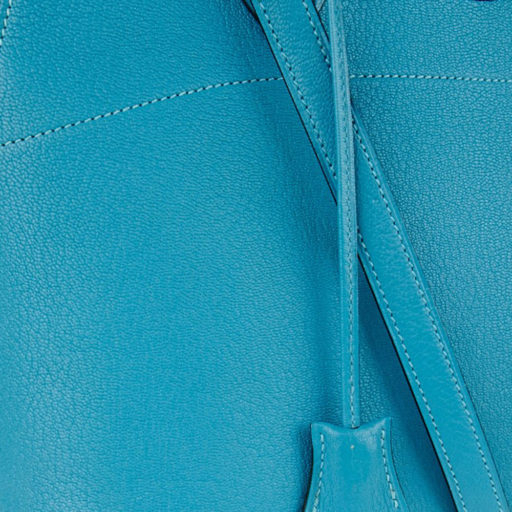
Chèvre Mysore is mountain-goat leather, known for its softness and grained surface. The leather is resistant to scratches and very light. It is used mainly to produce small-sized goods and Birkin 25 cm bags.
-
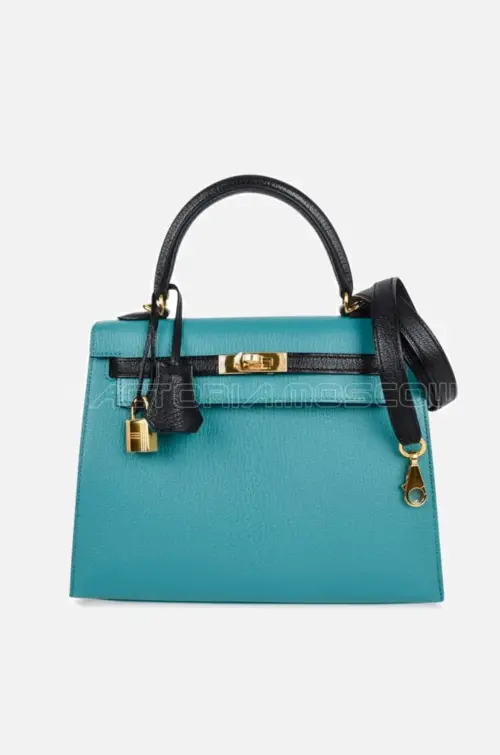 Hermes Kelly Sellier 25 Special Order HSS Chevre Mysore Blue Paon/Noir PHW
-
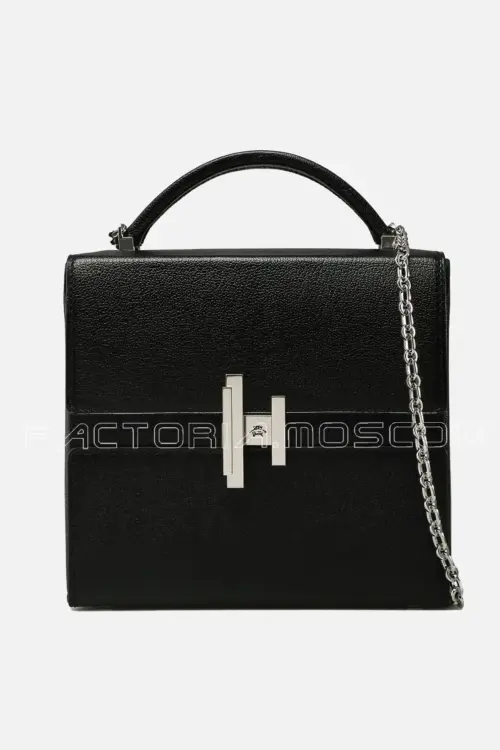 Hermes Cinhetic Chevre Mysore Noir PHW
-
 Hermès HSS Birkin 25 Gris Perle and Jaune Ambre Chèvre Mysore Permabrass Hardware
-
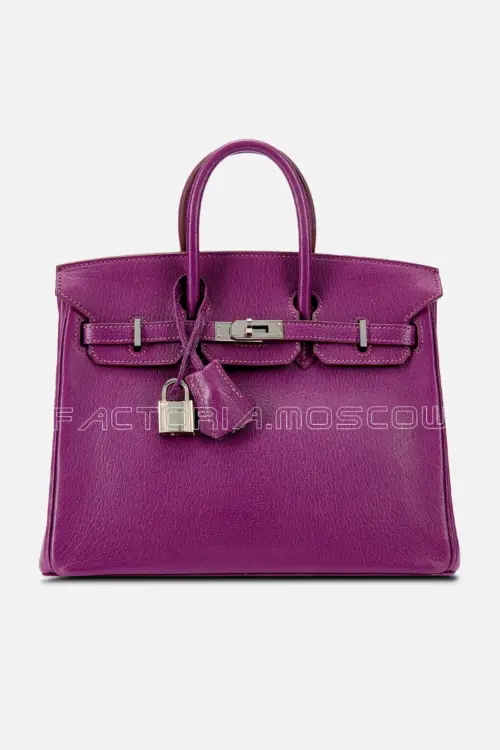 Hermès Birkin 25 Anemone Chèvre Mysore PHW
-
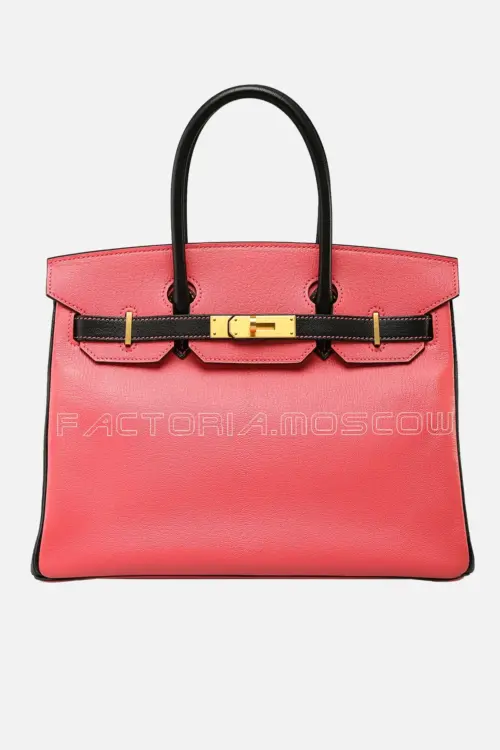 Hermes HSS Birkin 30 Rose Lipstick Noir Chevre Mysore Brushed GHW
-
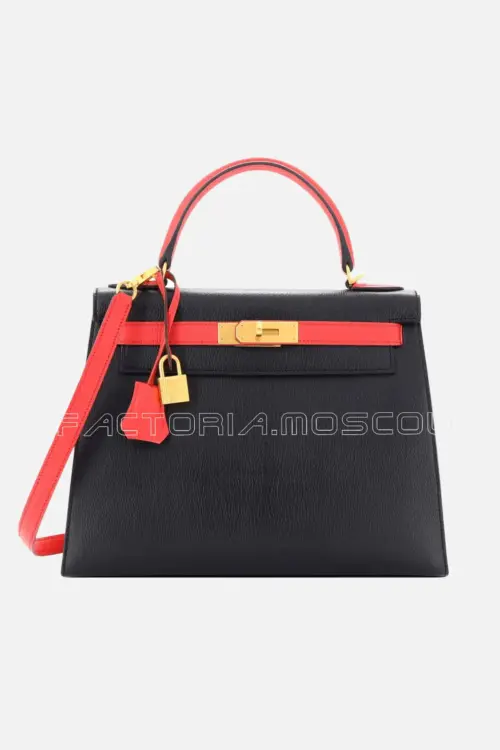 Hermes Kelly Sellier 28 Bicolor Black/Rose Azalee Chevre Mysore Leather Brushed GHW
-
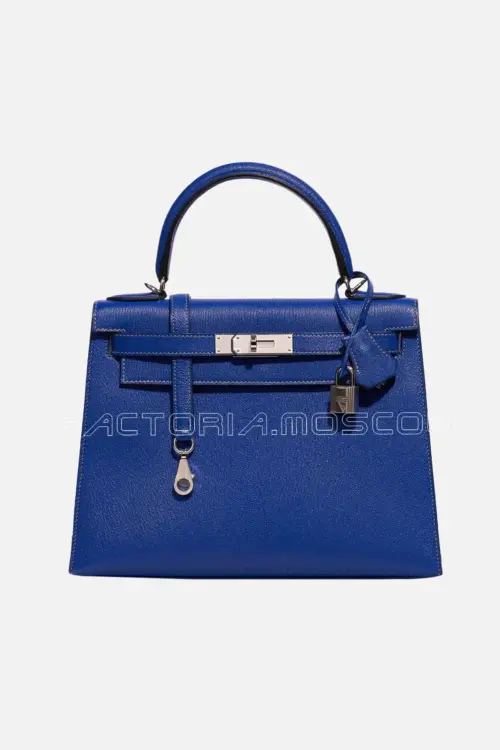 Hermès HSS Kelly Sellier 28 Chèvre Mysore Blue Electrique / Gris Mouette PHW
-
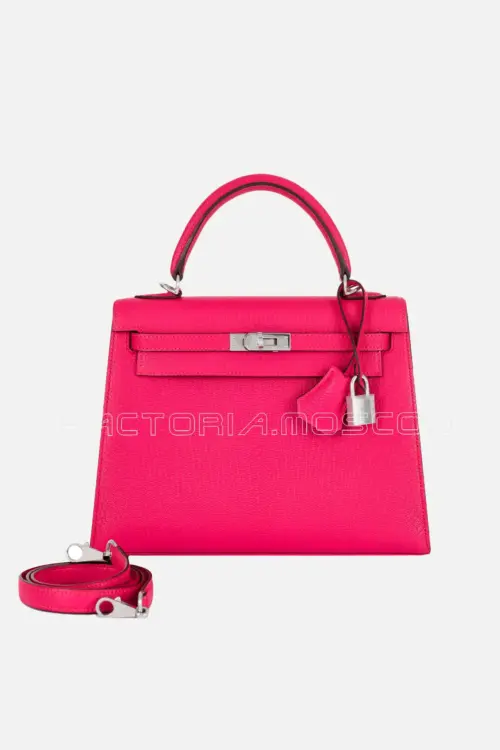 Hermès Kelly Sellier 25 Chèvre Mysore Color Rose Tyrien PHW
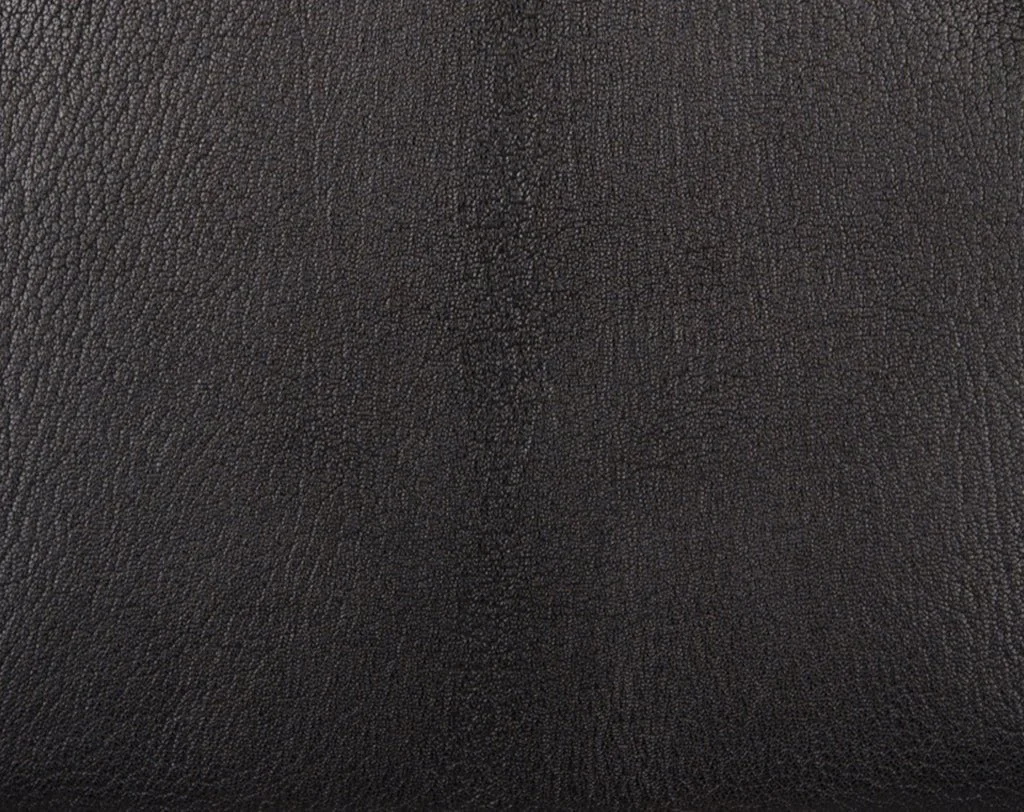
Chèvre Coromandel is mountain-goat leather, distinguished by a soft, grained surface with elongated ridges along its entire length. The leather is resistant to scratches and very light. It takes dye well.
-
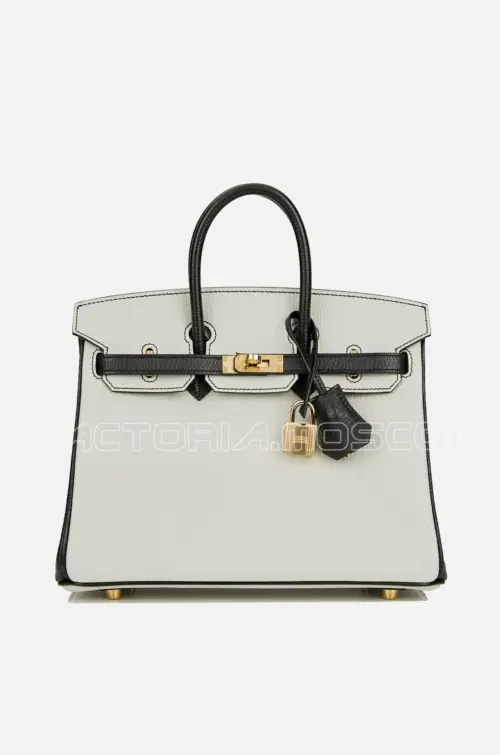 Hermes Birkin 25 Chèvre Special Order (HSS) Gris Mouette/Black GHW
-
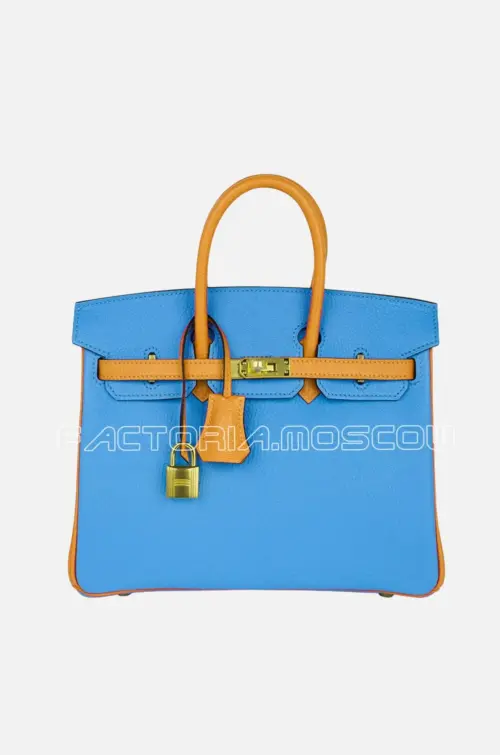 Hermes Birkin 25 HSS Special Order Chèvre Feu/Blue Celeste GHW
-
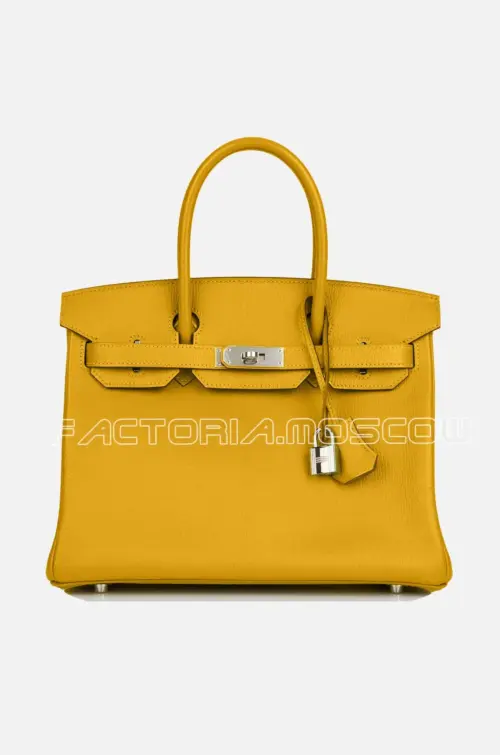 Hermes Birkin 30 Chèvre Color Jaune Ambre PHW
-
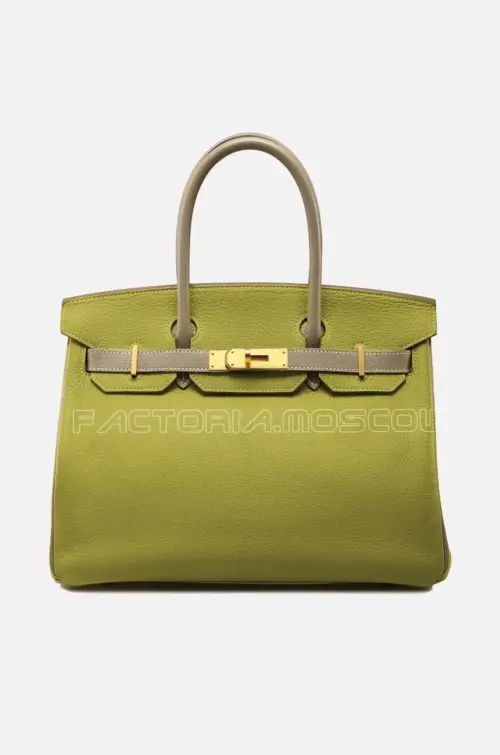 Hermes Birkin 30 Chèvre Special Order HSS Vert Anis/Gris Tourterelle GHW
-
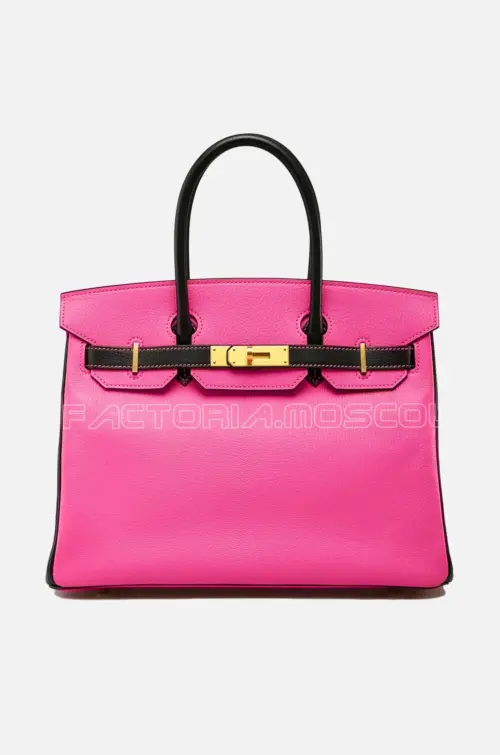 Hermes Birkin 30 Special order HSS Chèvre Rose Tyrien/Black GHW
-
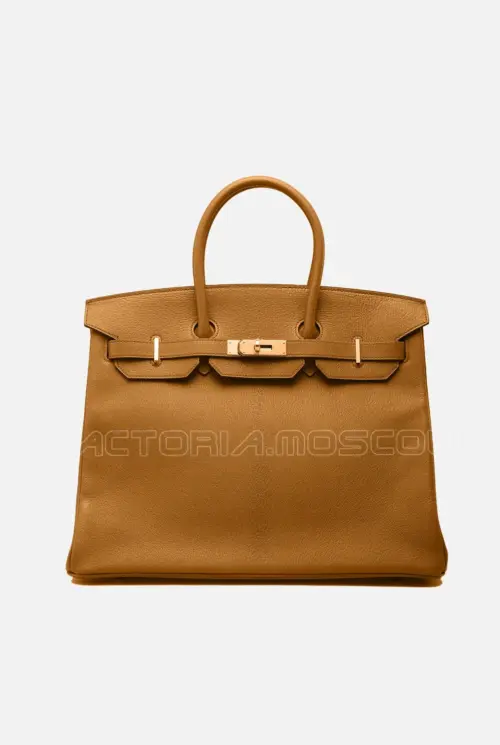 Hermes Birkin 35 Chèvre Color Caramel GHW
-
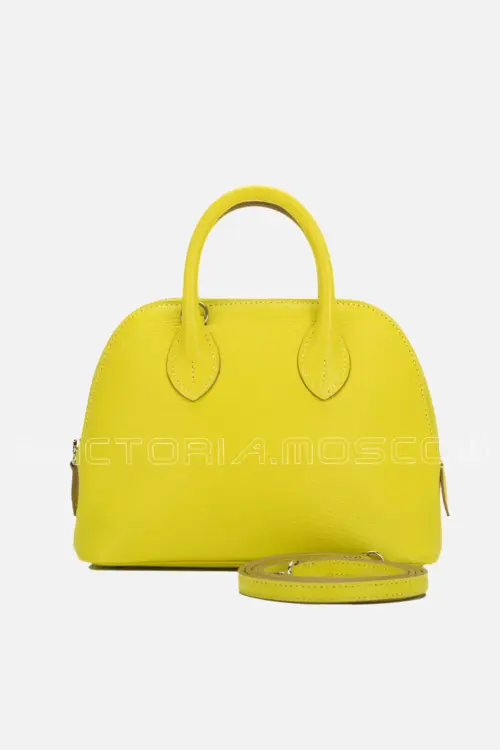 Hermes Bolide Mini Chèvre Lime PHW
-
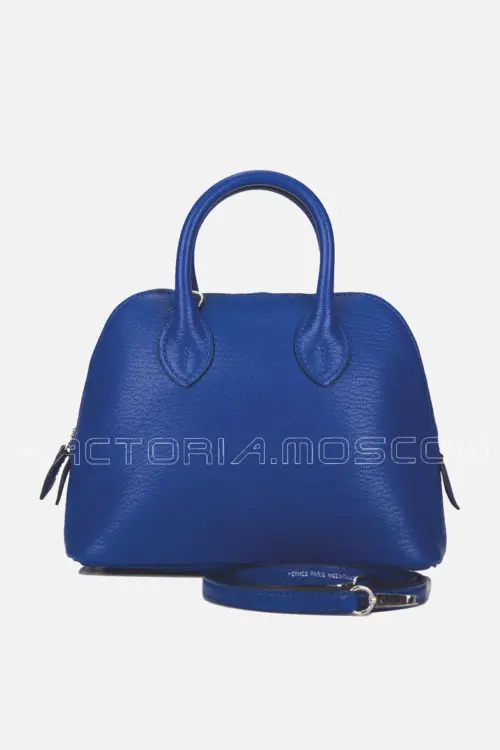 Hermes Bolide Mini Chèvre Blue Electric PHW
Crocodile Leather
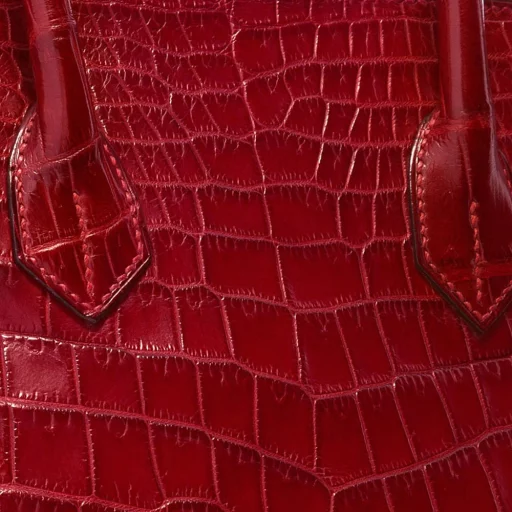
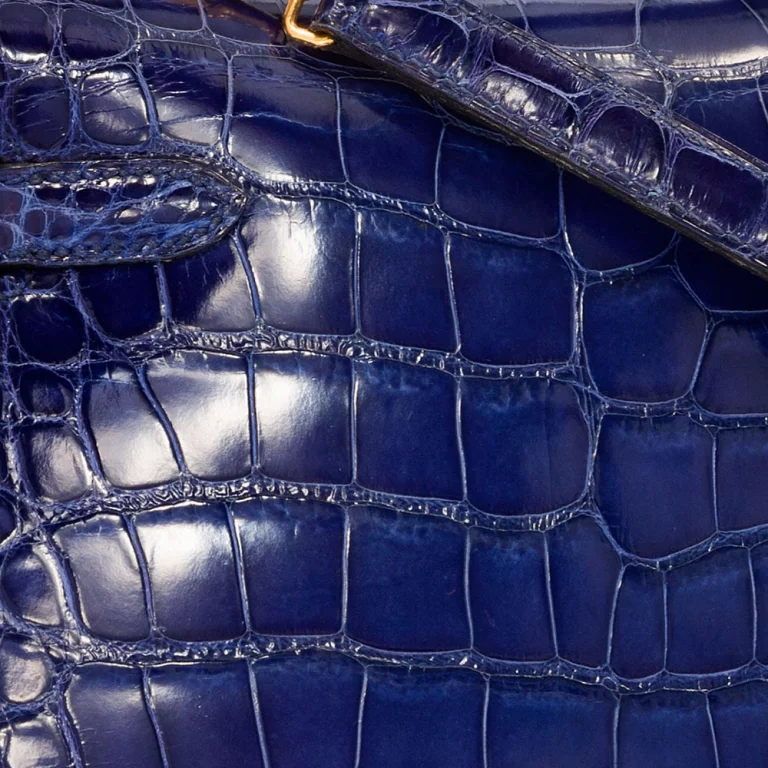
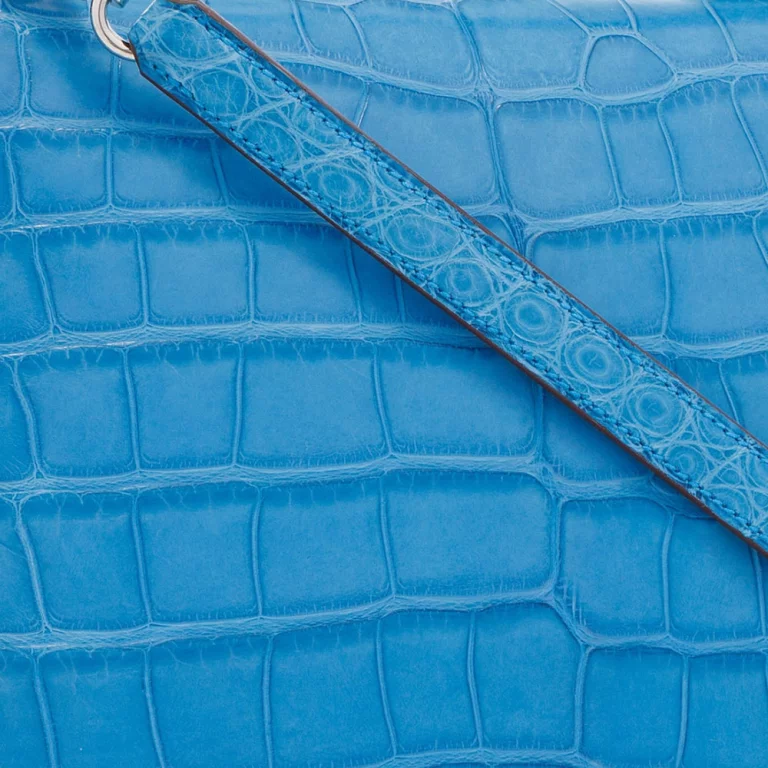
Porosus Crocodile Lisse with Porosus, the king of exotics, the glossy effect is achieved by careful polishing with an agate stone only after the appropriate colour has been applied. It has distinct, pronounced, small pores.
-
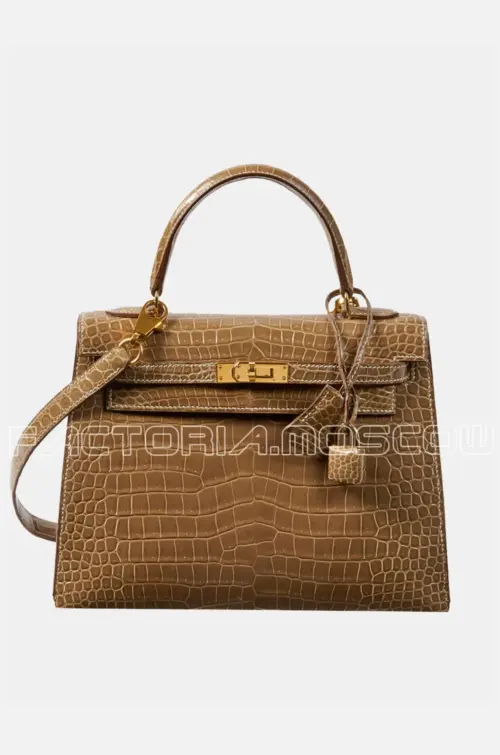 Hermes Kelly Sellier 28 Porosus lisse Ficelle GHW
-
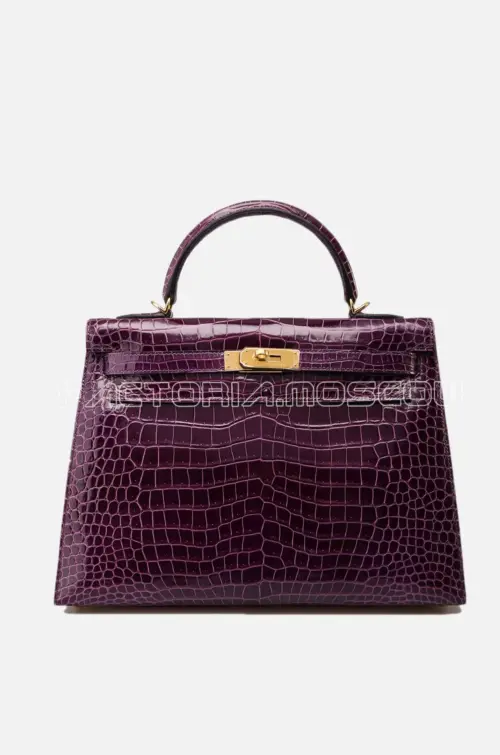 Hermes Kelly Sellier 32 Shiny Porosus Crocodile Cassis GHW
-
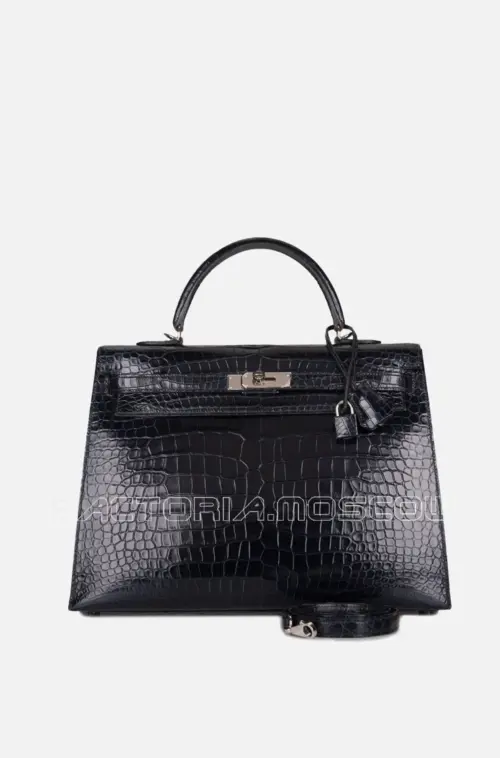 Hermes Kelly Sellier 35 Porosus Lisse Color Blue marine PHW
-
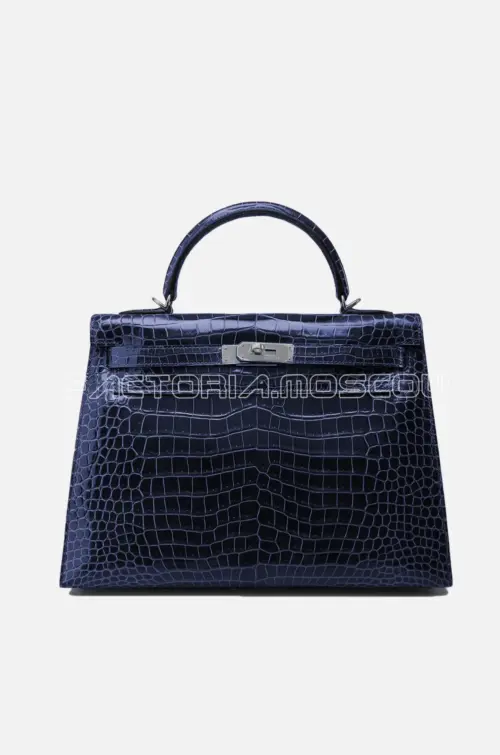 Hermes Kelly Sellier 32 Porosus Lisse Blue indigo PHW
-
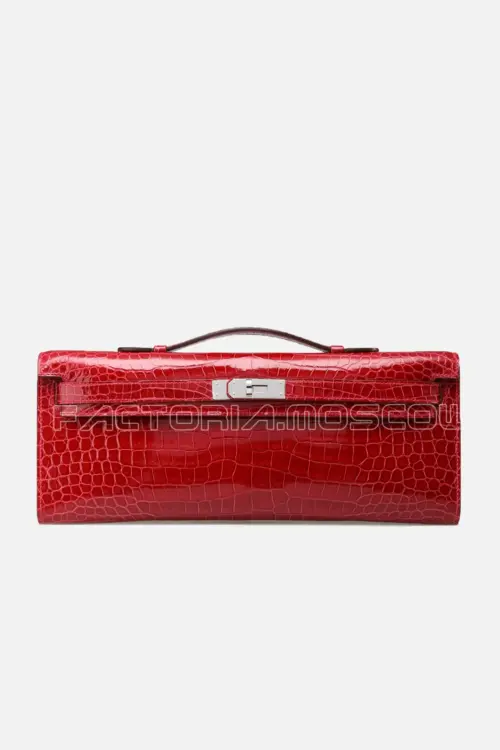 Hermes Kelly Сut Сlutch Porosus Lisse Color Rouge Casaque PHW
-
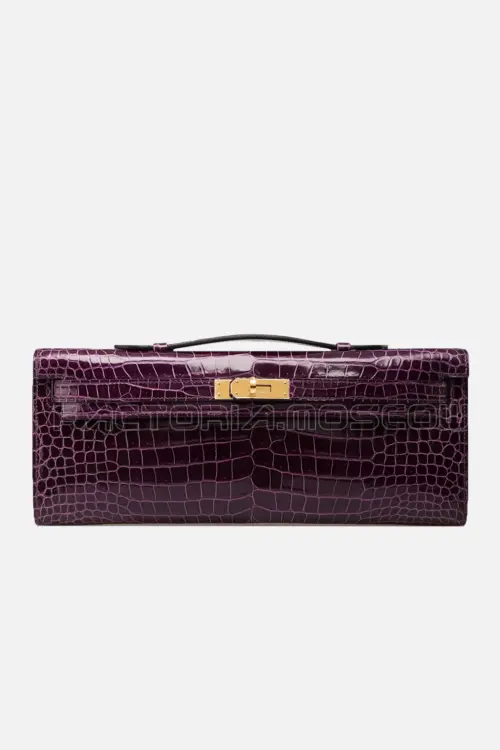 Hermes Kelly Cut Clutch Porosus Lisse Amethyst GHW
-
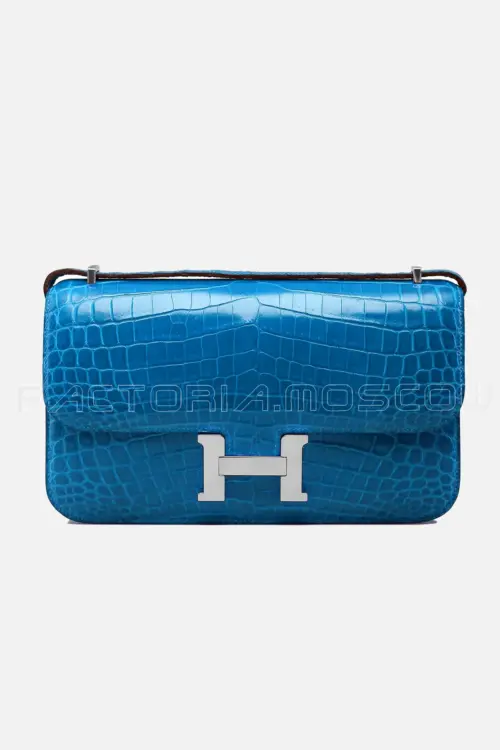 Hermes Constance 25 Elan Porosus Lisse Color Mykonos PHW
-
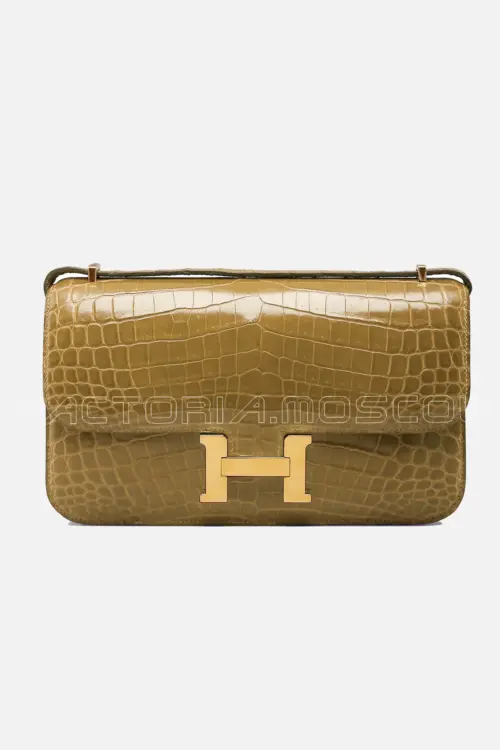 Hermes Constance 25 Elan Porosus Lisse Color Ficelle GHW
Porosus Crocodile Matte — this leather is obtained from the bellies of crocodiles raised in Australia. It is undoubtedly considered the most expensive exotic leather produced by Hermès. Despite its origin, Porosus crocodile leather does not tolerate contact with water. Otherwise, stains may remain. You can recognise this type of leather by the (^) symbol located to the right of the "Hermès Paris" inscription.
-
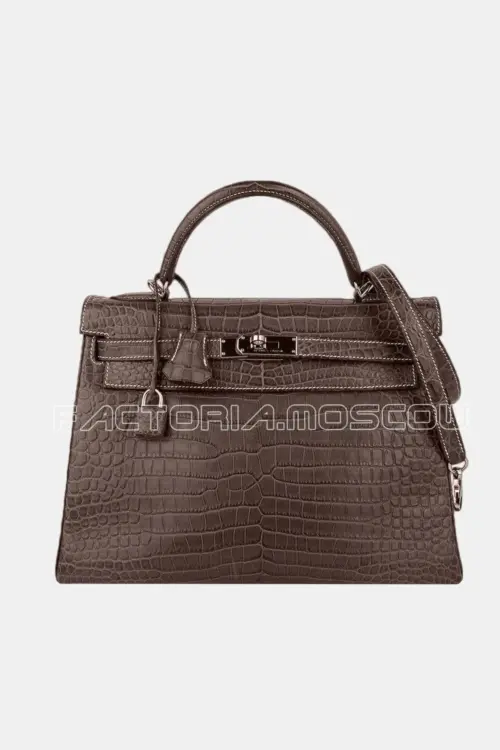 Hermes Kelly Retourne 32 Porosus Matte Gris Elephant PHW
-
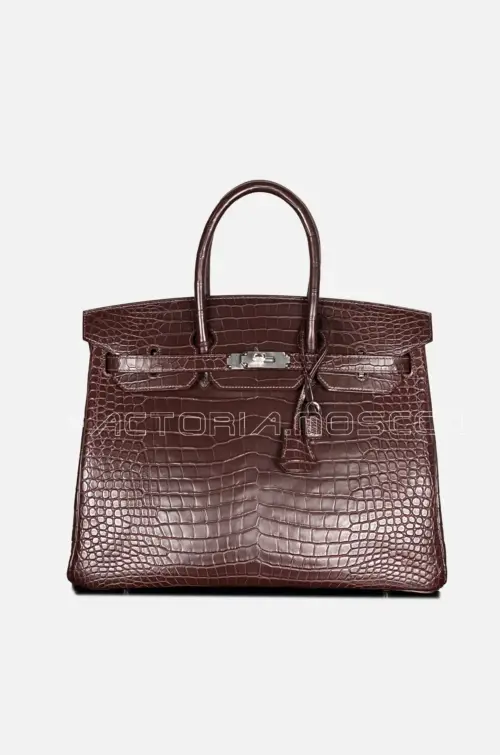 Hermes Birkin 35 Porosus matte Color Miel PHW
-
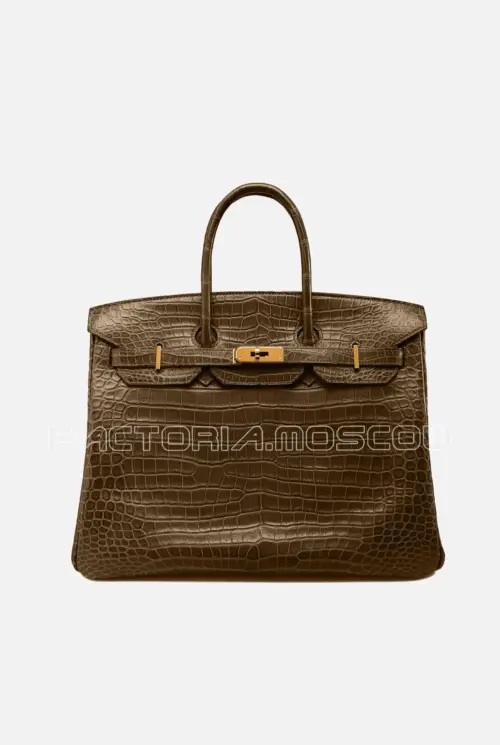 Hermes Birkin 35 Porosus Matte Color Gris Elefant GHW
-
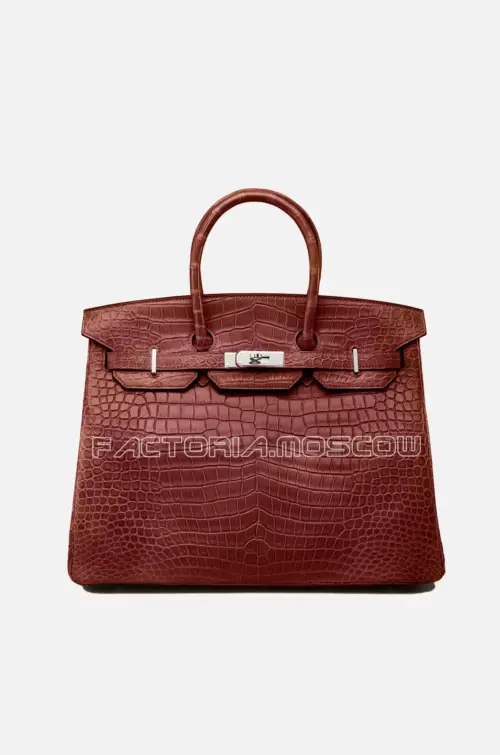 Hermes Birkin 35 Porosus Matte Color Cuivre PHW
-
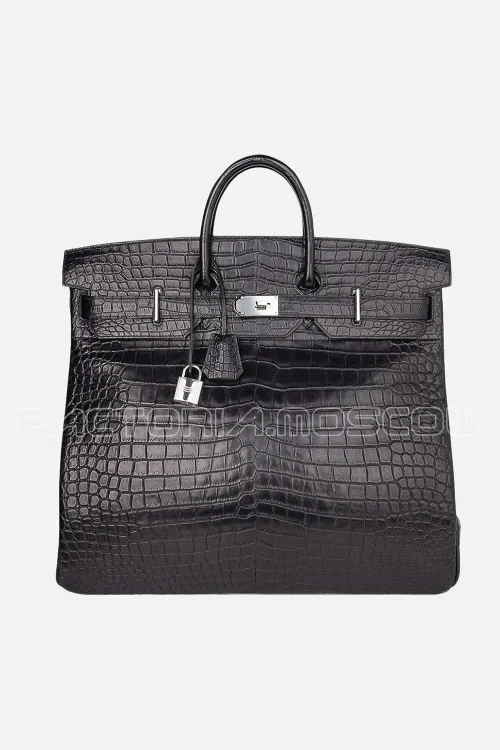 Hermes Birkin HAC 50 Travel Bag Matte Porosus Crocodile Black PHW
-
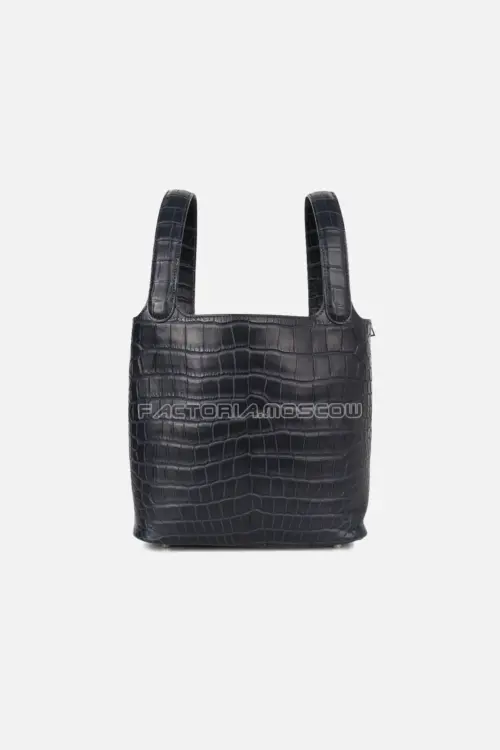 Hermes Picotin Lock 22 Matte Porosus Crocodile Color Blue indigo PHW
-
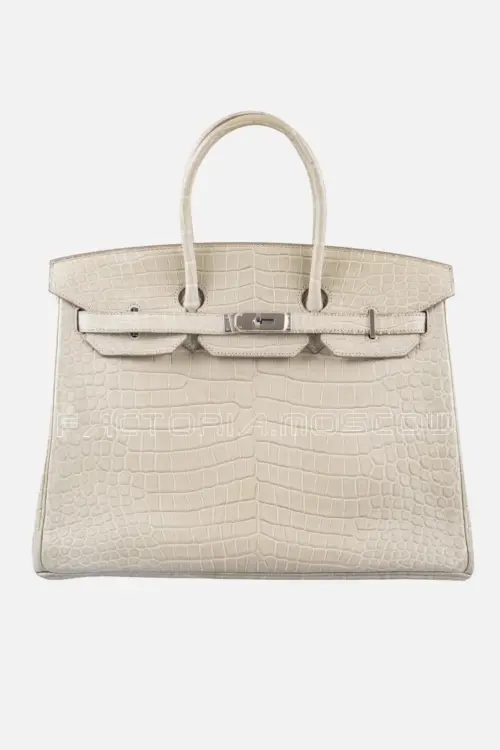 Hermes Birkin 35 Matte Porosus Crocodile Color Beton PHW
-
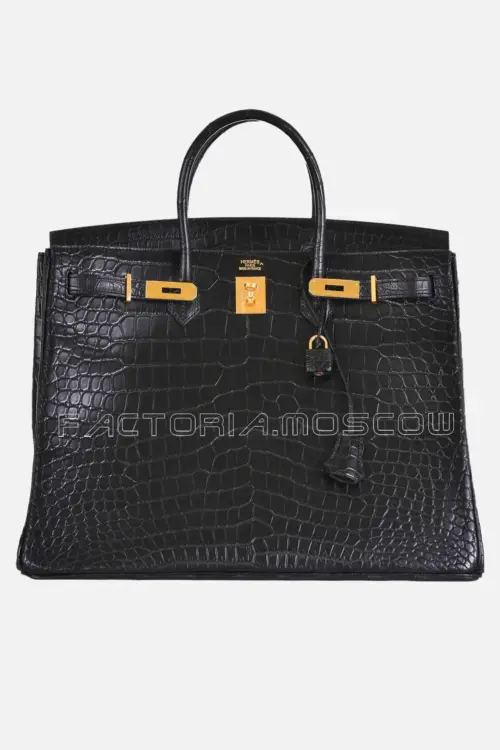 Hermes Birkin 40 Porosus Crocodile Matte Color Black GHW
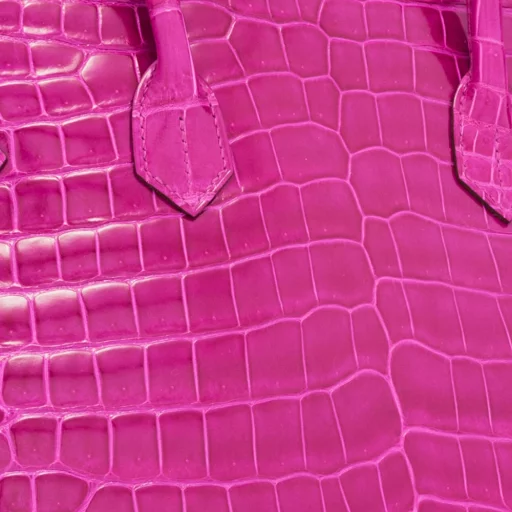
Crocodile Niloticus Lisse — the glossy effect is achieved by polishing the leather until it acquires a beautiful shine. Compared with alligator, bags made from Crocodile Niloticus leather have larger scales and often lack distinct pores. Crocodile is durable overall, but it needs to be kept away from water to prevent stains that are difficult to remove. Bags made from Nilo leather can be recognised by the two dots (••) next to the main "Hermès Paris" inscription.
-
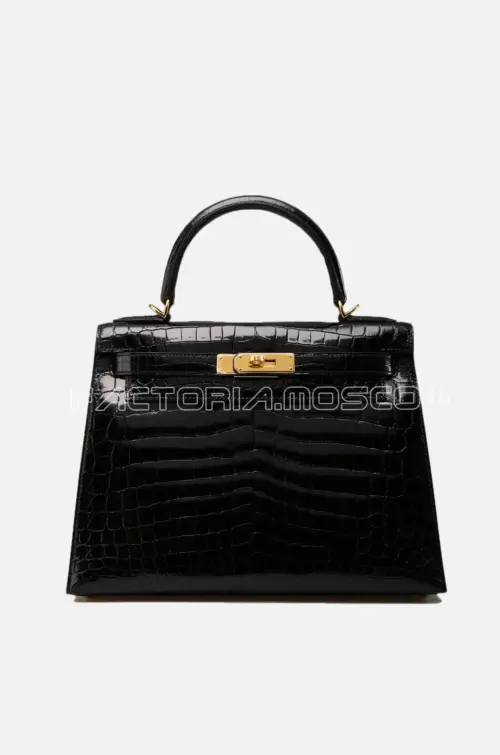 Hermes Kelly Sellier 28 Crocodile Niloticus Lisse Color Noir GHW
-
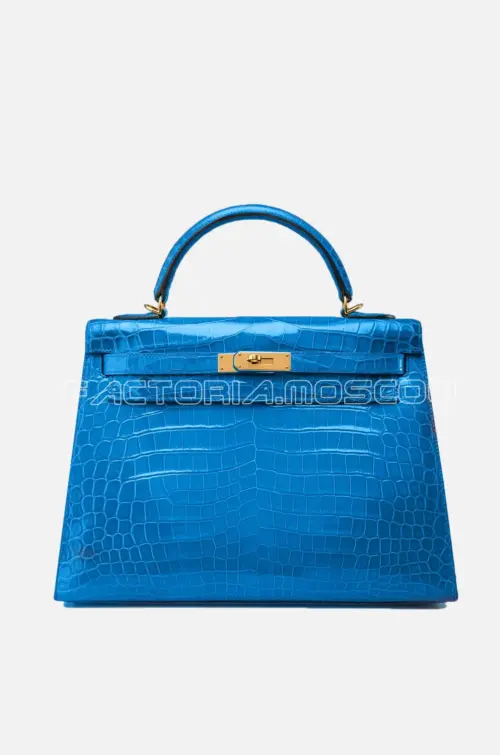 Hermes Kelly Sellier 32 Crocodile Niloticus Lisse Blue Zanzibar GHW
-
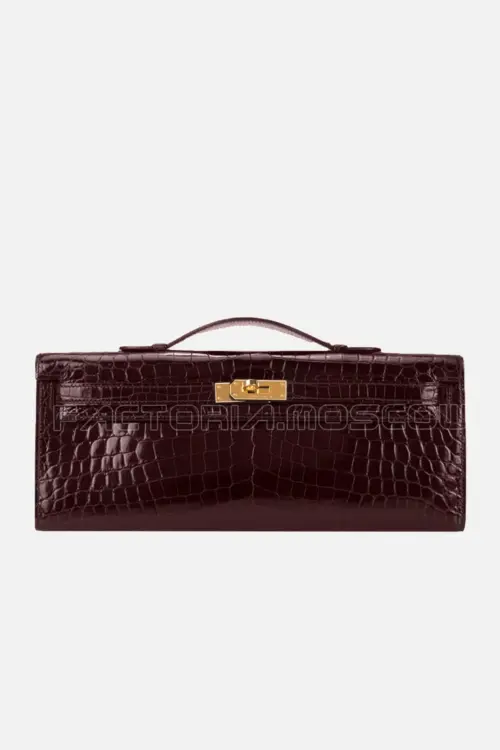 Hermes Kelly Сut Сlutch Shiny Crocodile Niloticus Cocoan GHW
-
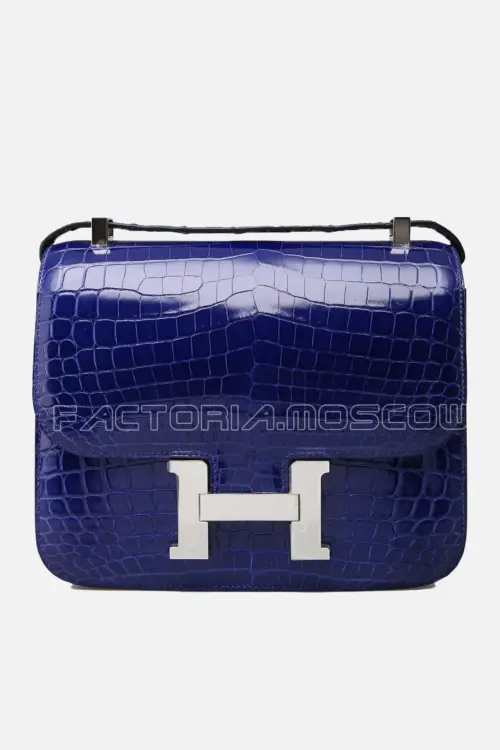 Hermes Constance 24 Crocodile Niloticus lisse Color Blue Electric PHW
-
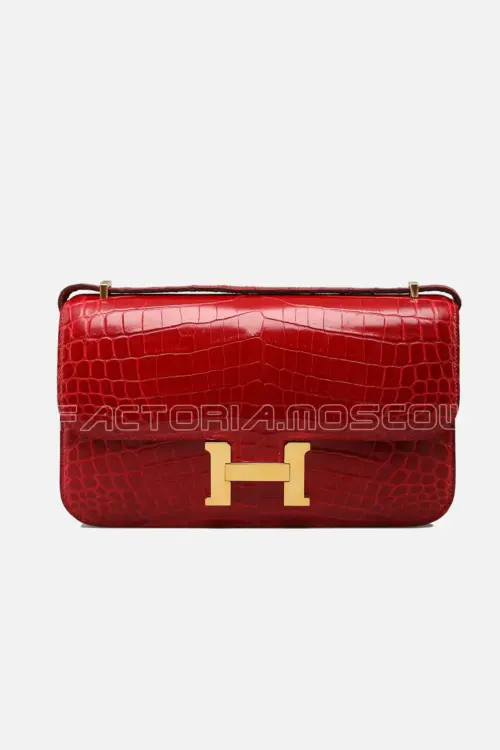 Hermes Constance 25 Elan Crocodile Niloticus lisse Color Braise GHW
-
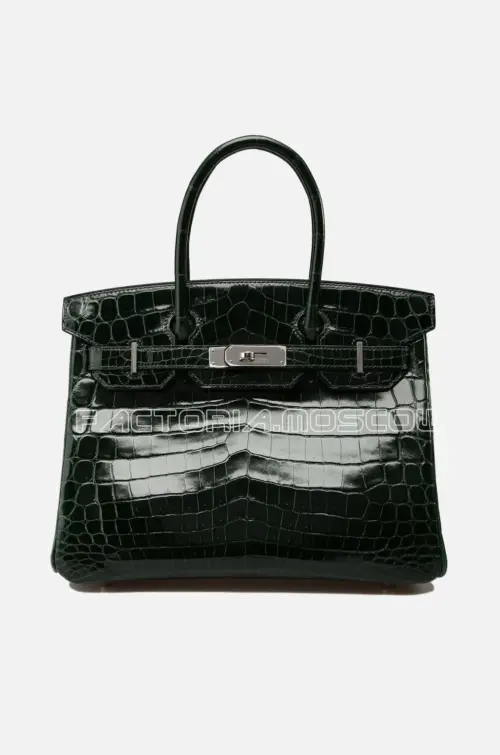 Hermes Birkin 30 Shiny Crocodile Niloticus Color Vert Fonce PHW
-
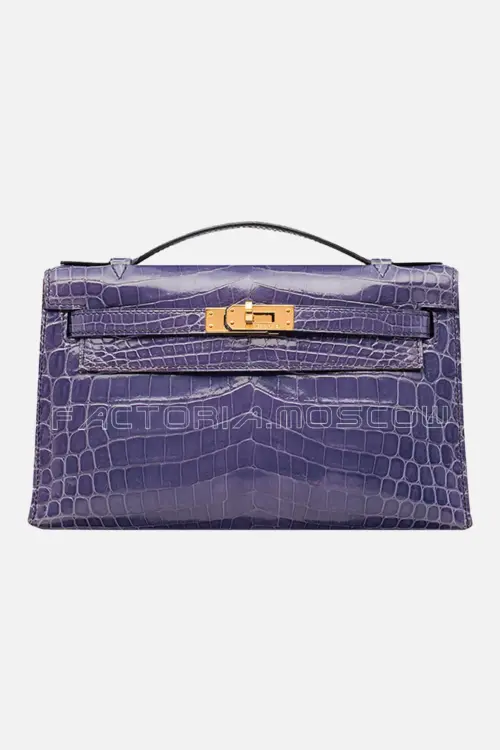 Hermes Kelly Pochette Clutch Crocodile Niloticus Lisse Color Blue Brighton GHW
Crocodile Niloticus Matte — the matte effect is achieved by rubbing the surface with felt. The Niloticus crocodile comes from the Nile region in Zimbabwe. As with other exotics, matte Nilo is more expensive than its glossy counterpart.
-
 Hermes Kelly Retourne 25 Crocodile Niloticus matte Flamingo PHW
-
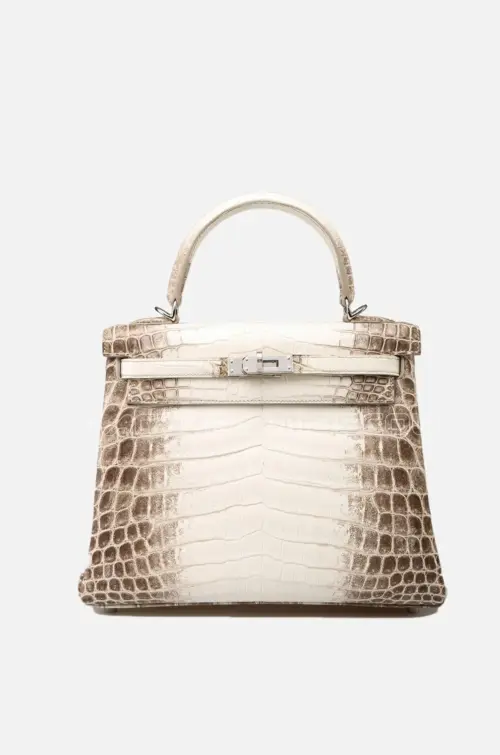 Hermes Kelly Retourne 25 Matte Niloticus Himalaya PHW
-
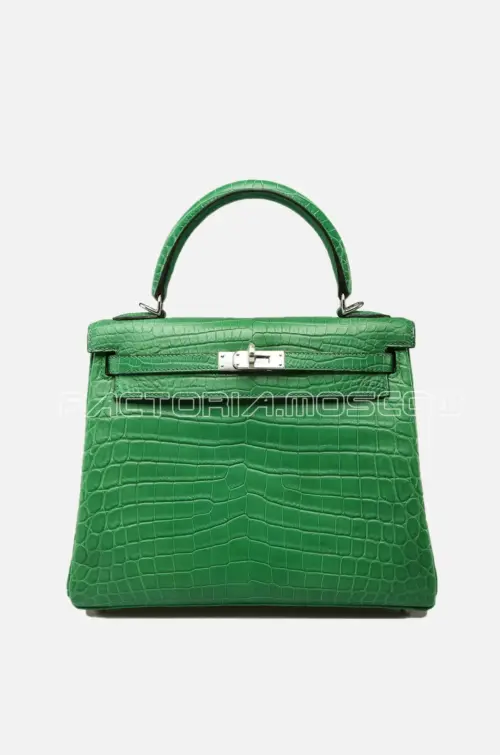 Hermes Kelly Retourne 25 Crocodile Niloticus Matte Cactus PHW
-
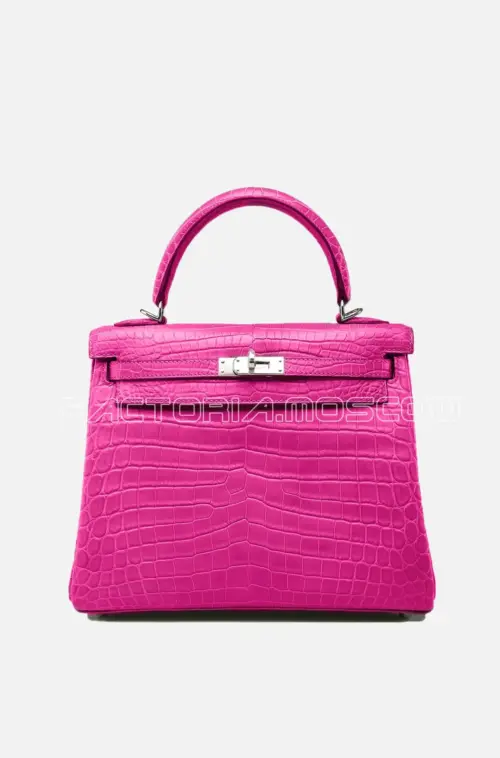 Hermes Kelly Retourne 28 Crocodile Niloticus Matte Color Rose Shehrezade PHW
-
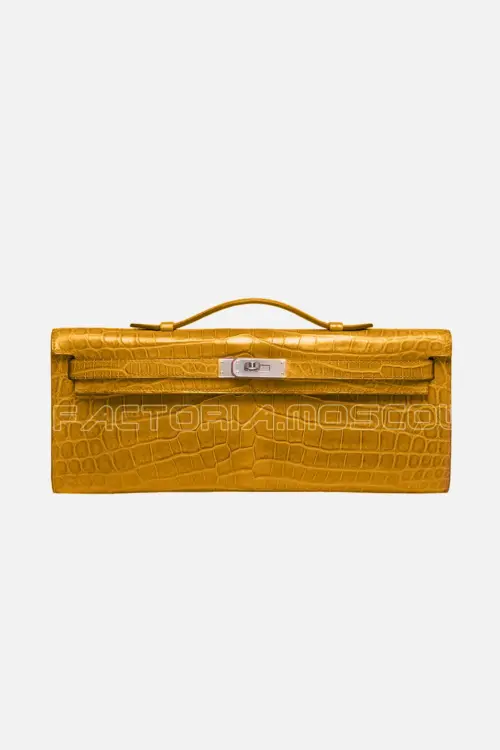 Hermes Kelly Cut Clutch Crocodile Niloticus Matte Sesame PHW
-
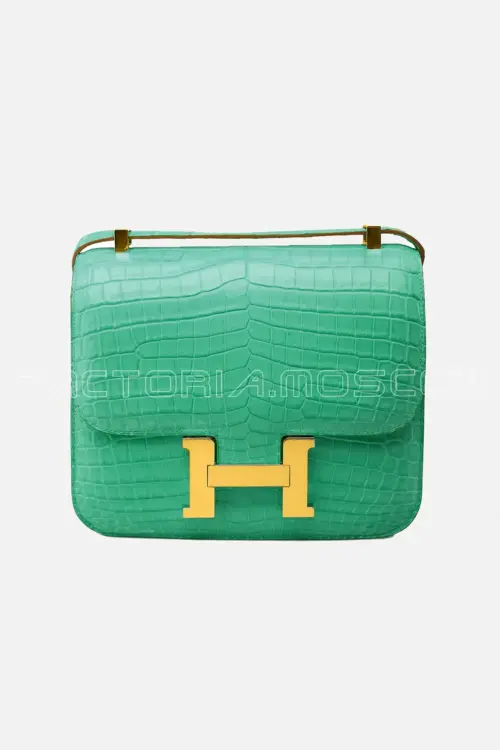 Hermes Constance 24 Crocodile Niloticus matte Color Vert Jide GHW
-
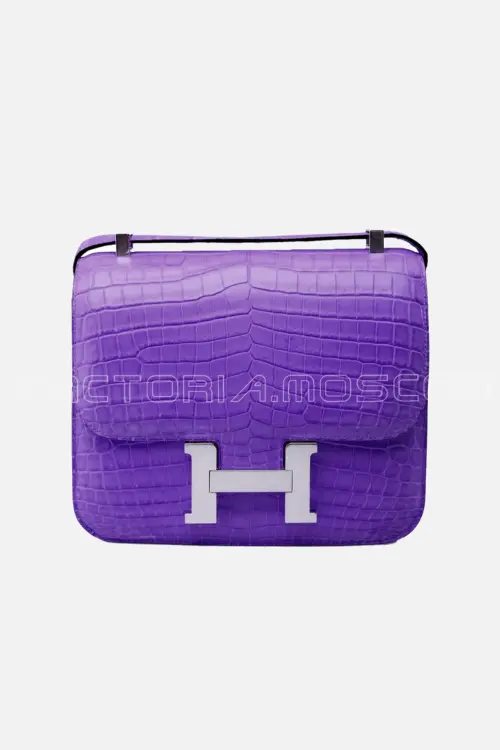 Hermes Constance 24 Crocodile Niloticus matte Color Crocus PHW
-
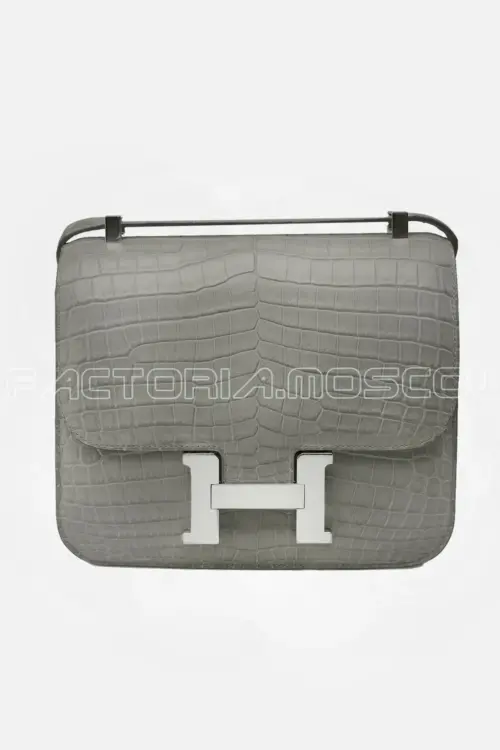 Hermes Constance 24 Crocodile Niloticus matte Color Gris Mouette PHW
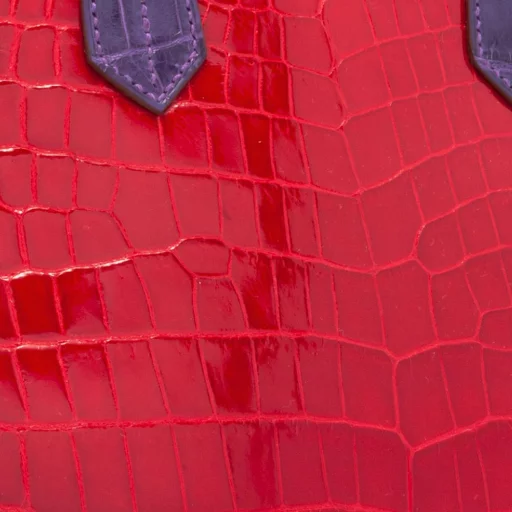
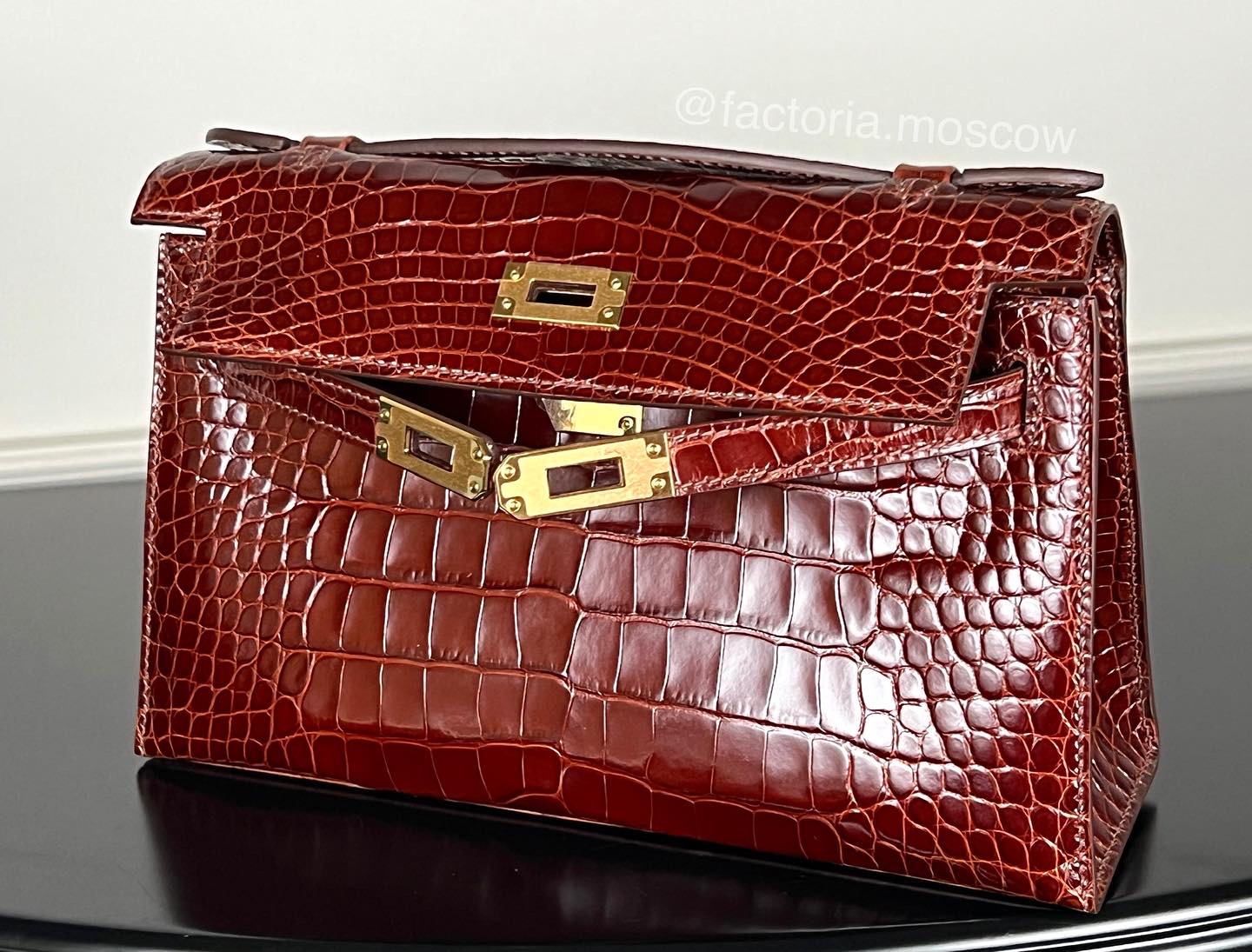
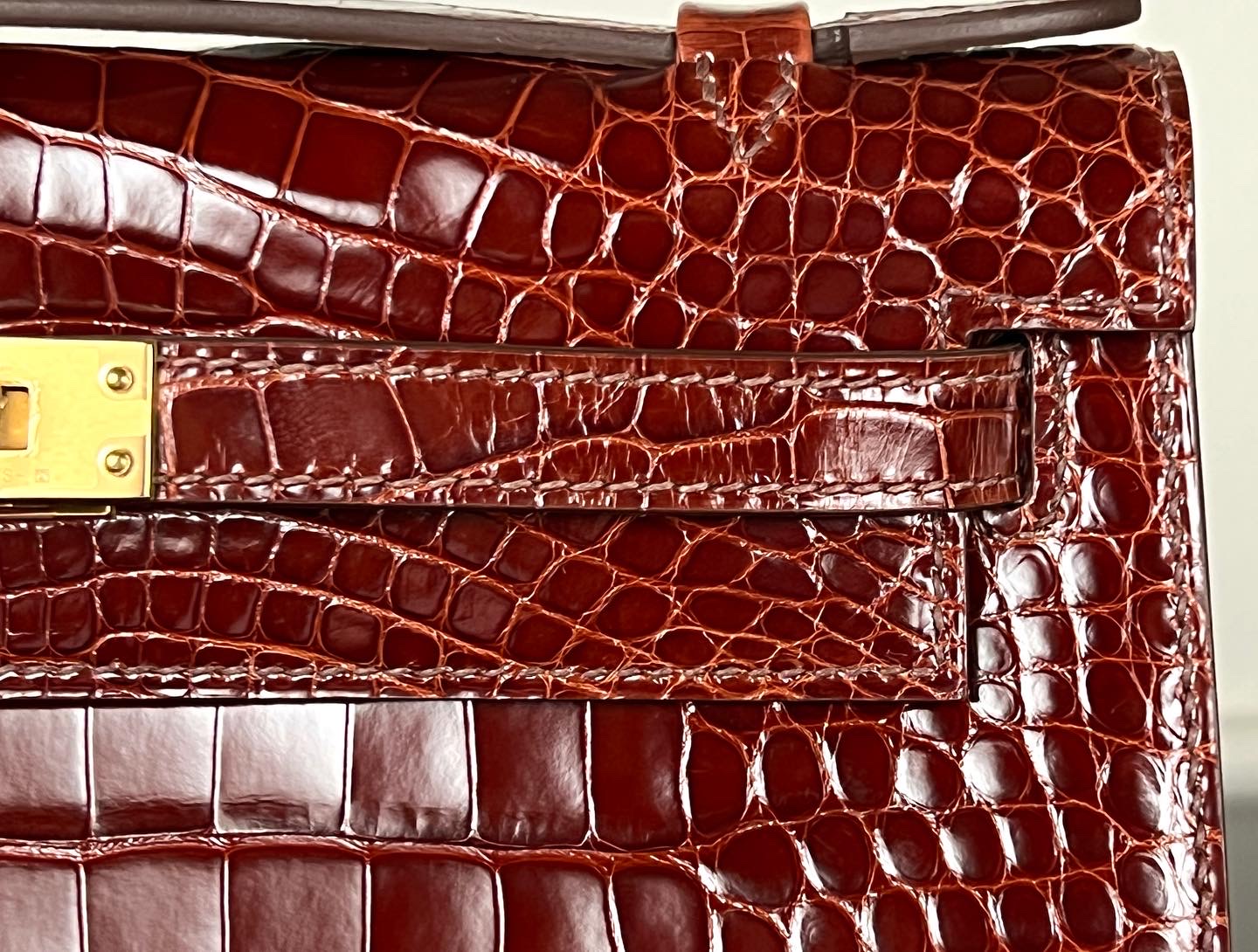
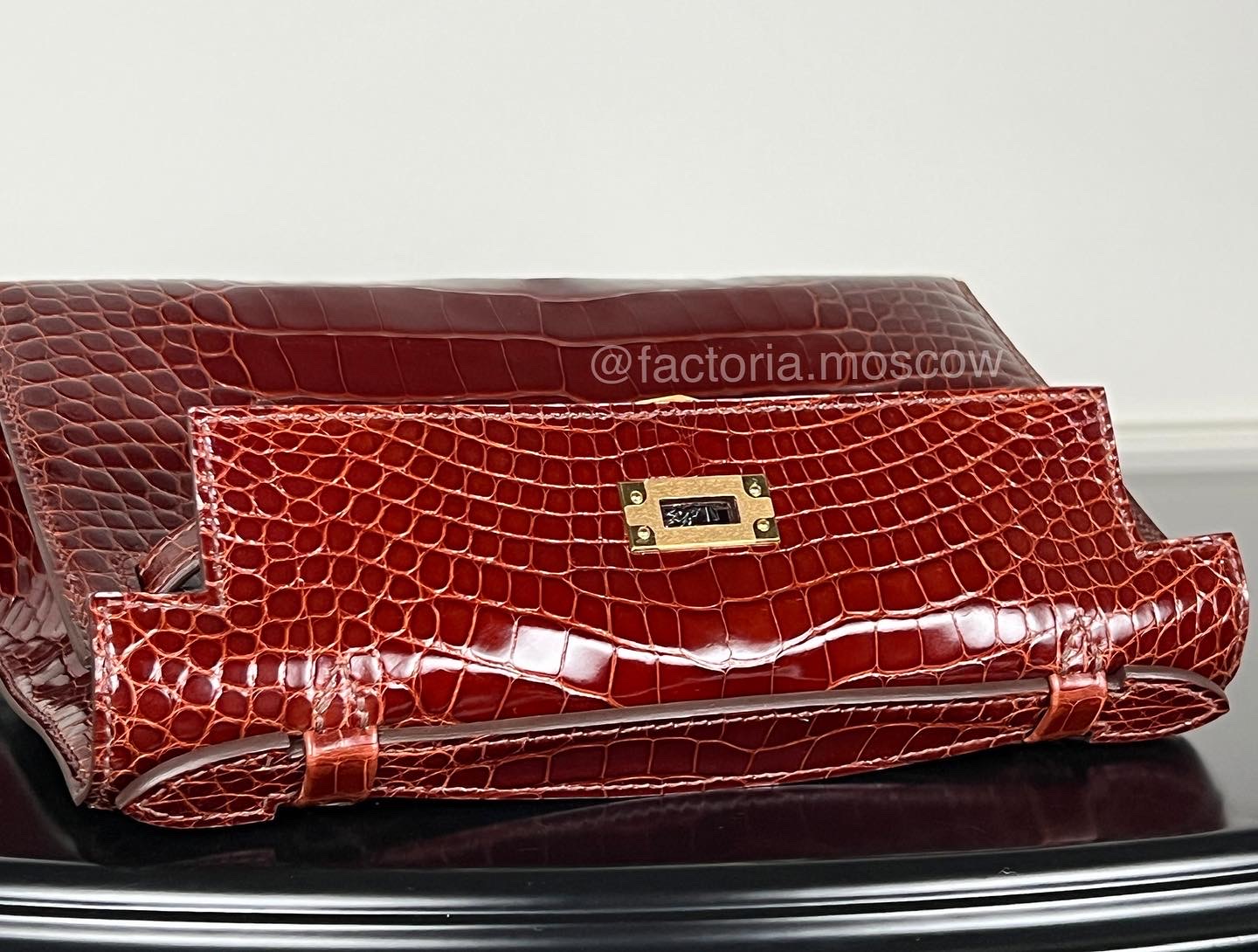
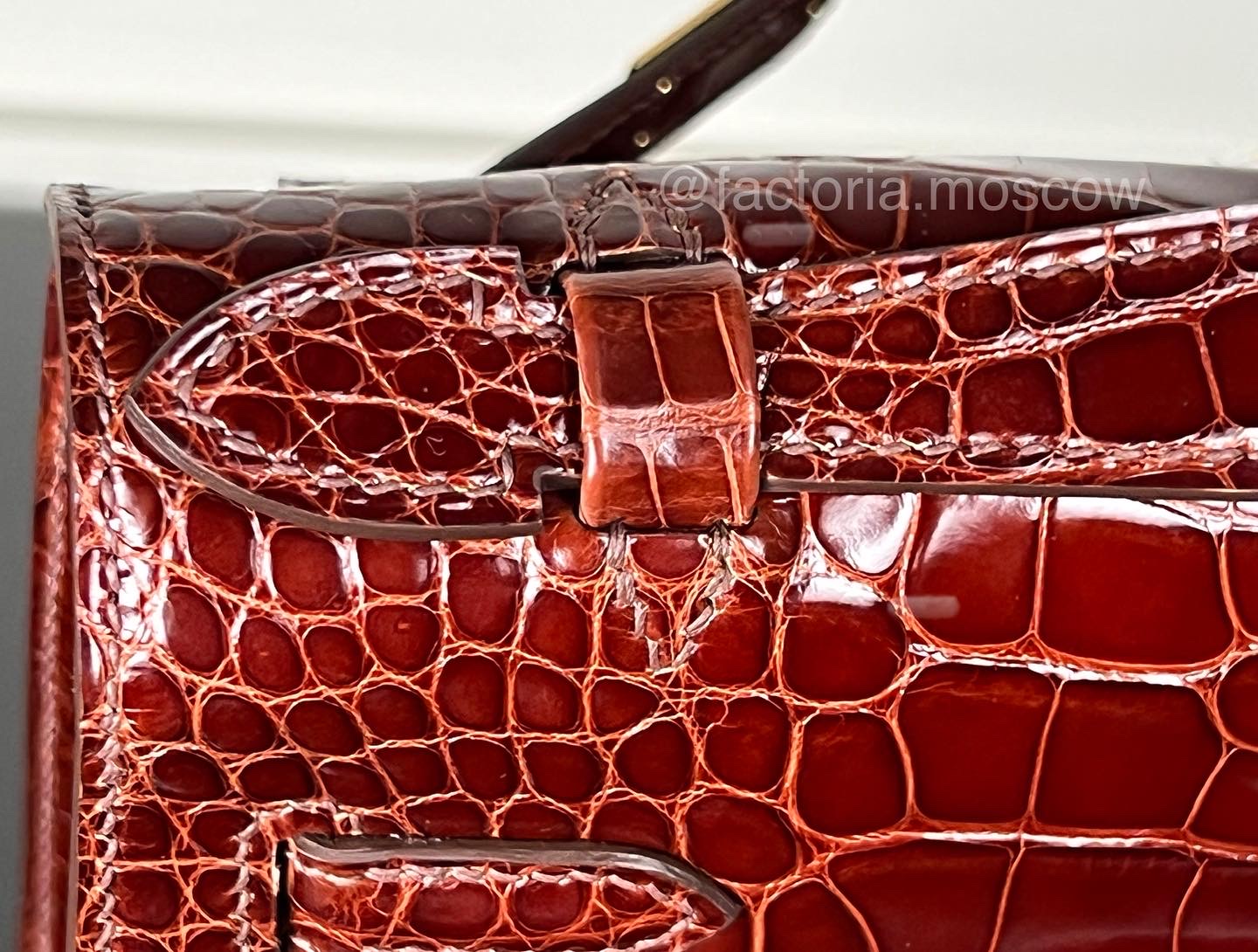
Alligator Lisse — this type of leather is characterised by an umbilical scar, which has an elongated, irregular shape with a pattern. It is precisely this pattern that is very often placed on the most visible part of the bag. The alligator has large, square scales in the middle and smaller, oval scales on the sides. It takes dye excellently. Mississippi Alligator leather looks similar to Porosus crocodile leather, but the price of alligator bags is lower. You can recognise alligator-leather pieces by the square marking (▢) next to the main "Hermès Paris" inscription. Despite its origin, alligator leather also dislikes water.
-
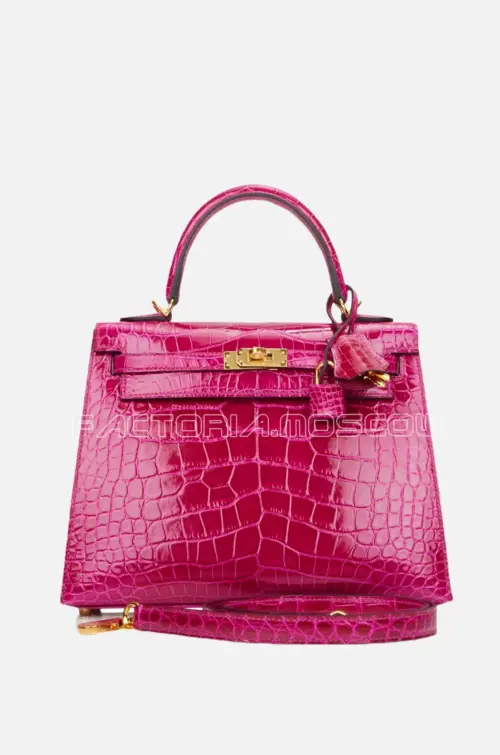 Hermes Kelly Sellier 25 Alligator Lisse Rose Purple GHW
-
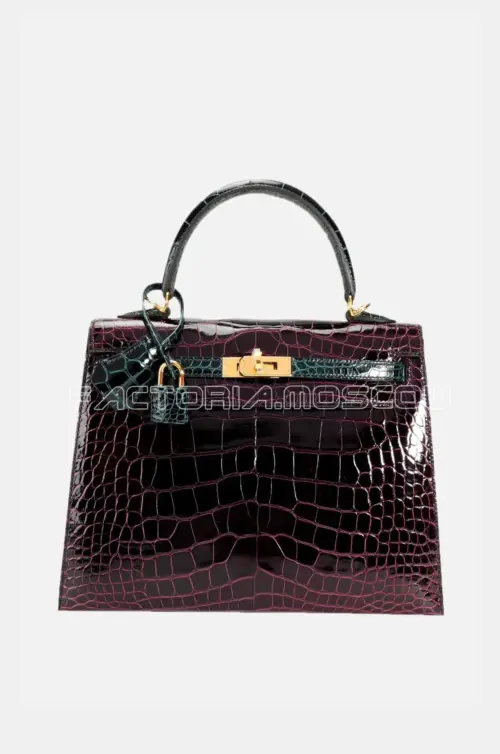 Hermes Kelly Sellier 28 HSS Special Order Alligator lisse Bourgogne/Emerald Green GHW
-
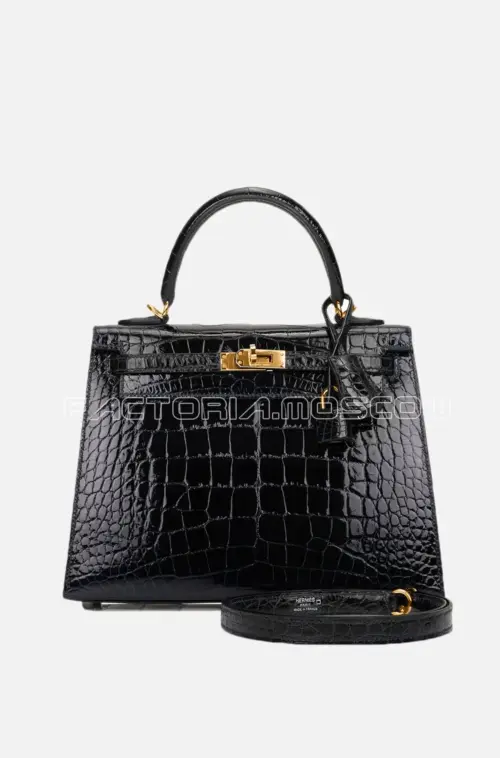 Hermes Kelly Sellier 32 Alligator Lisse Black GHW
-
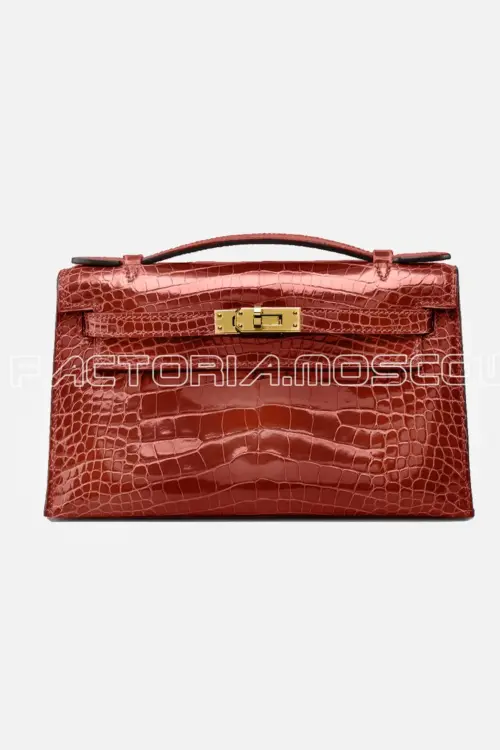 Hermes Kelly Pouchette Alligator Lisse Color Sanguine GHW
-
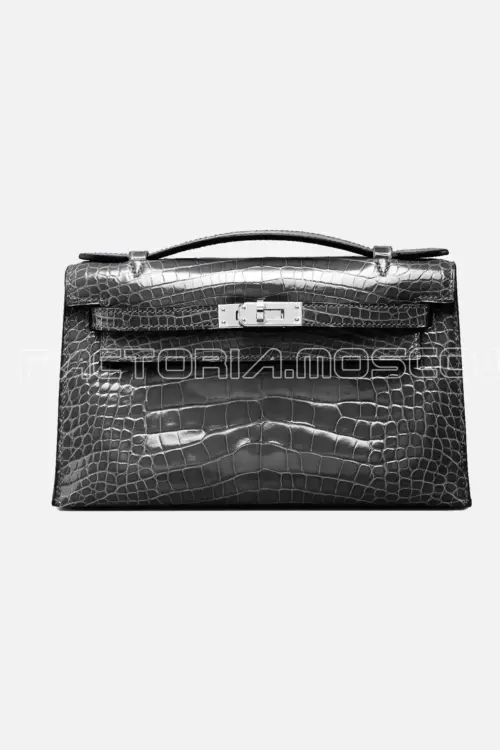 Hermes Kelly Pouchette Alligator lisse Color Plomb PHW
-
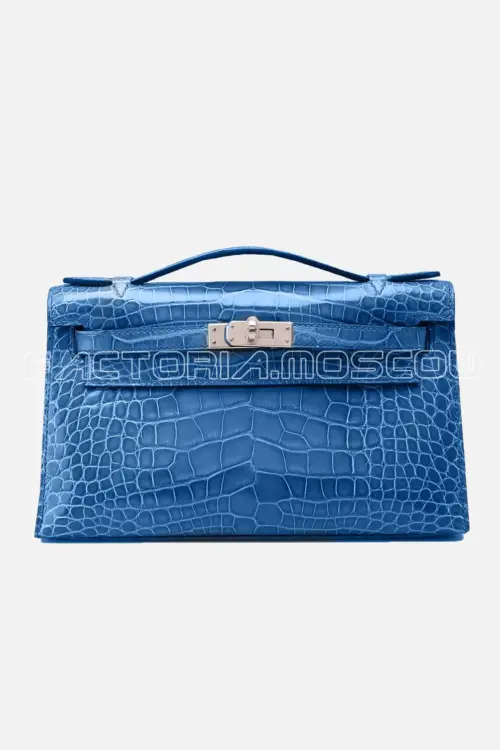 Hermes Kelly Pouchette Alligator Lisse Color Mykonos PHW
-
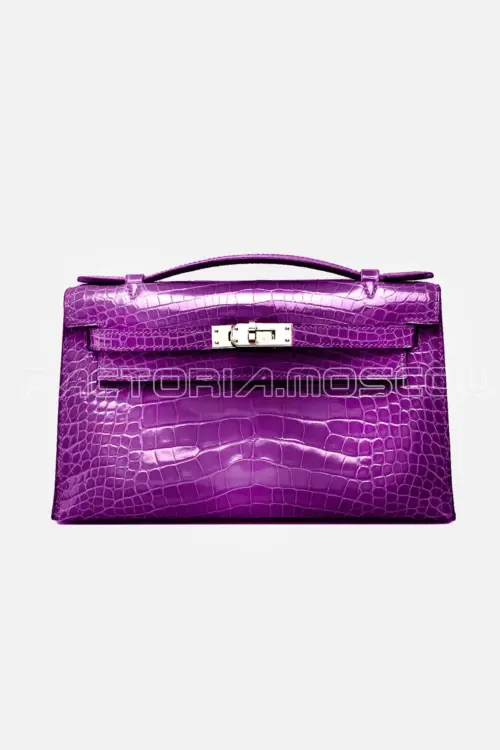 Hermes Kelly Pouchette Alligator lisse Color Ultraviolet PHW
-
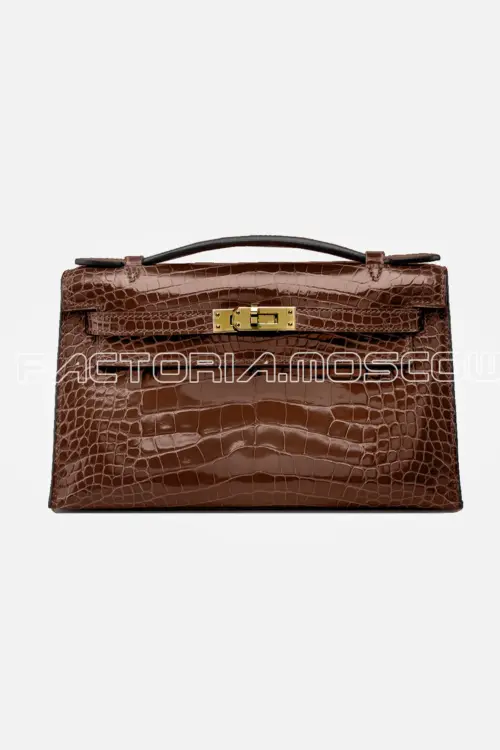 Hermes Kelly Pouchette Alligator Lisse Color Miel GHW
Alligator Matte — the matte leather of the alligator that inhabits the waters of the Mississippi River in America. The matte effect is achieved by rubbing the surface with felt. Bags made from alligator leather feel slightly thicker and are considerably more resistant to abrasion and scratches. It is used mainly to produce wallets and Birkin and Kelly bags. As a rule, matte alligator leather is slightly more expensive than glossy and is in greater demand.
-
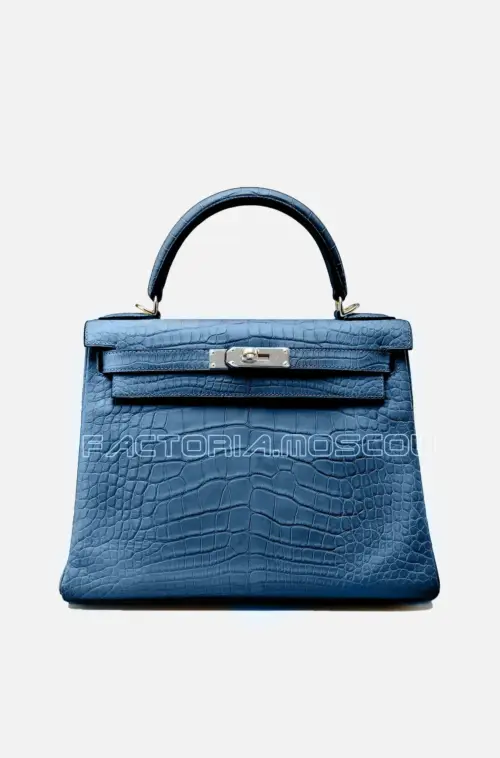 Hermes Kelly Retourne 25 Alligator Matte Blue de malte PHW
-
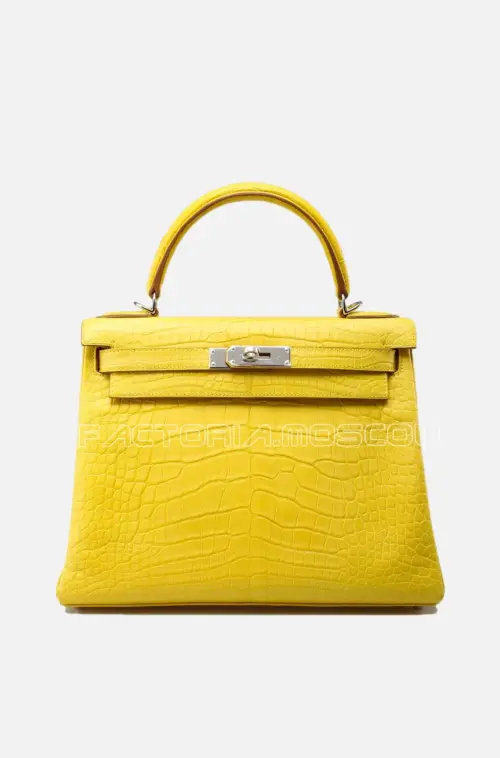 Hermes Kelly Retourne 28 Alligator Matte Color Mimosa PHW
-
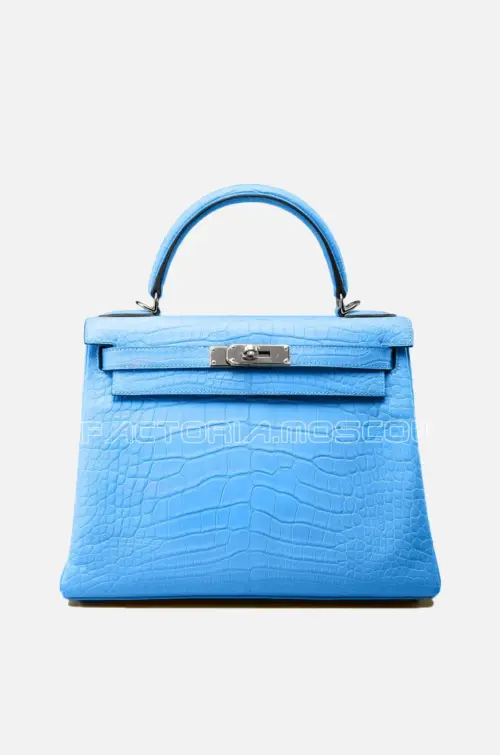 Hermes Kelly Retourne 28 Alligator Matte Color Blue de Nord PHW
-
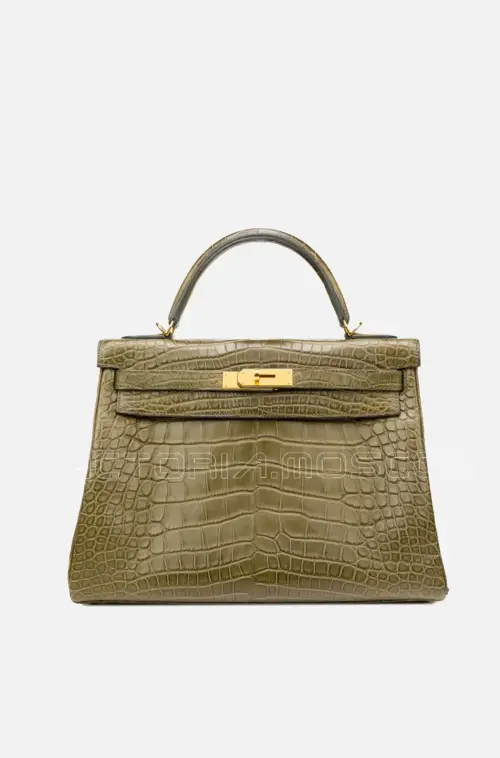 Hermes Kelly Retourne 32 Alligator Matte Vert Veronese GHW
-
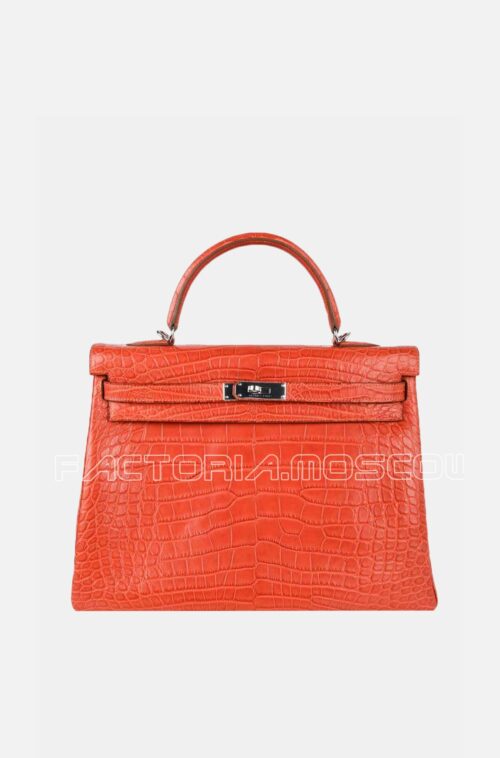 Hermes Kelly Retourne 35 Alligator matte Sanguine PHW
-
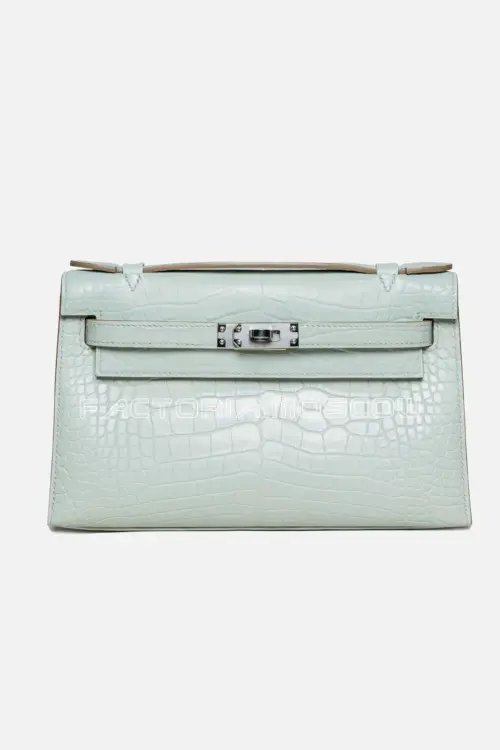 Hermes Kelly Pouchette Alligator matte Color Gris Pearl PHW
-
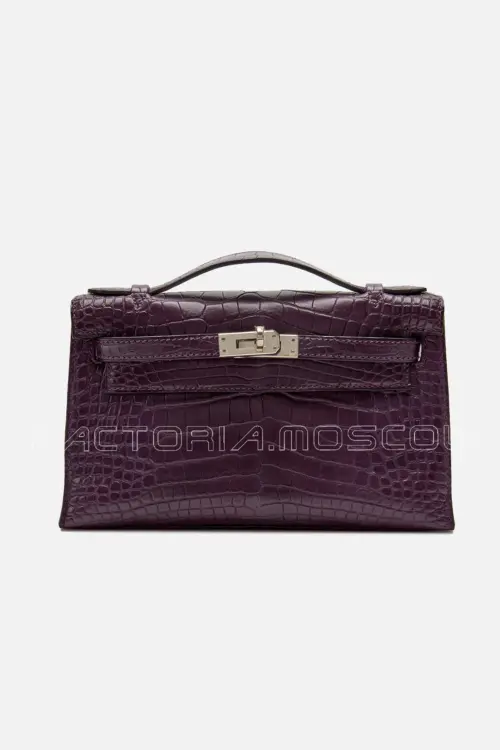 Hermes Kelly Pouchette Alligator matte Color Amethyst PHW
-
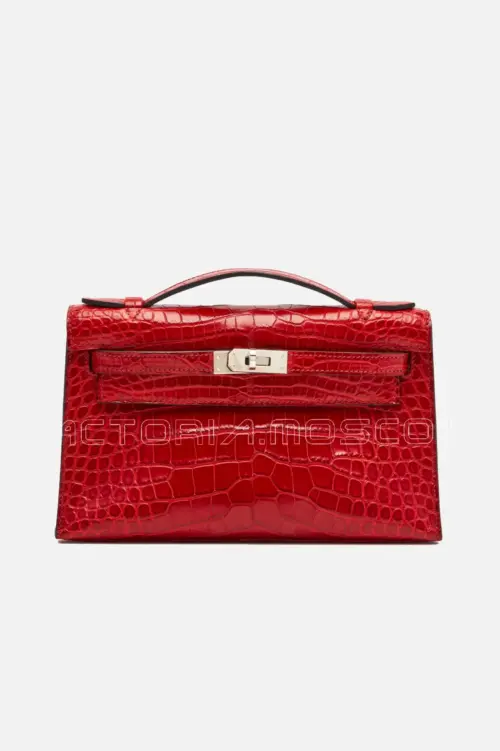 Hermes Kelly Pouchette Alligator matte Color Rouge H PHW
Treated Ostrich Leather
Ostrich (Ostrich leather) is the most durable exotic that Hermès uses, known for its beautiful "dotted" pattern. It is soft, supple and incredibly strong. In its work, our workshop uses ostrich leather from the Klein Karoo company. It is from this very farm that Hermès buys the leather for its pieces.
-
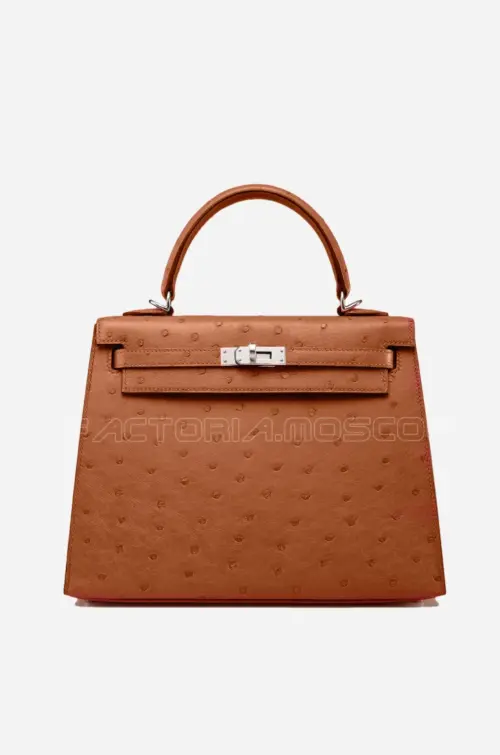 Hermes Kelly Sellier 25 Ostrich Color Gold PHW
-
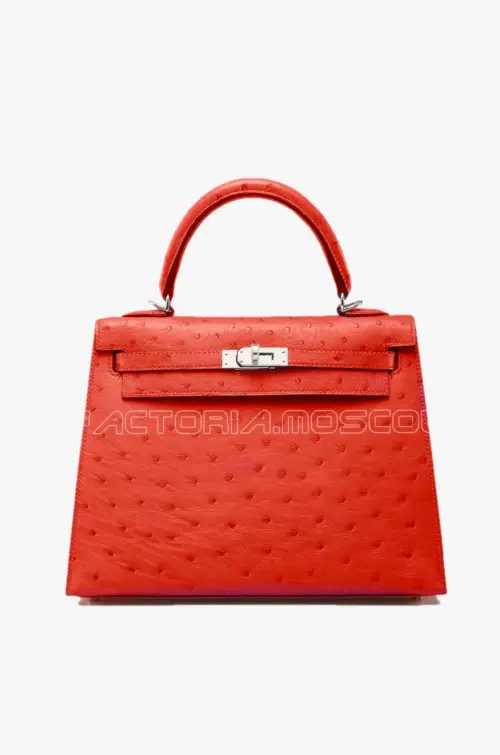 Hermes Kelly Sellier 25 Ostrich Rouge Casaque PHW
-
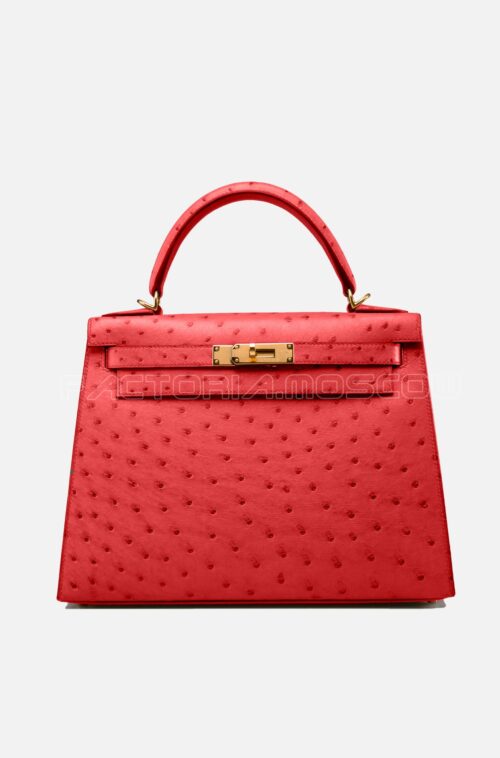 Hermes Kelly Sellier 28 Ostrich Rouge Vif GHW
-
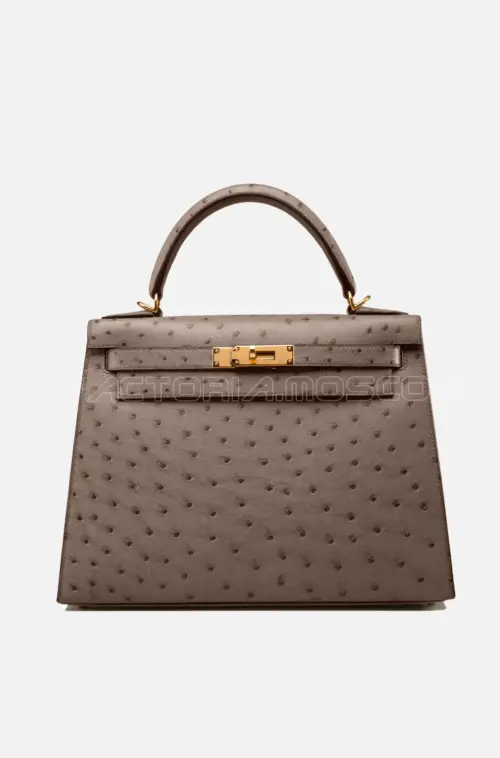 Hermes Kelly Sellier 28 Ostrich Gris Etain (8 F) GHW
-
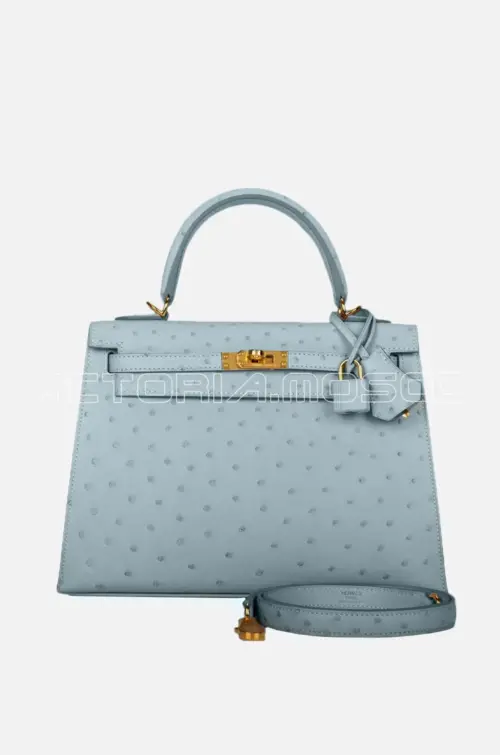 Hermes Kelly Sellier 32 Ostrich Blue Lin GHW
-
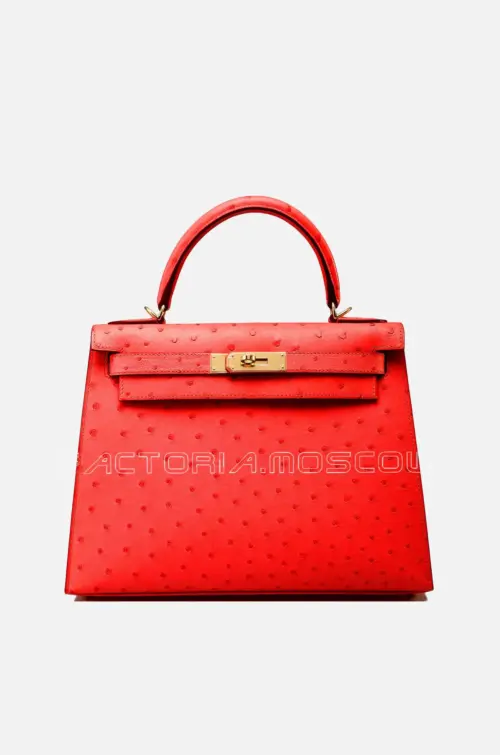 Hermes Kelly Sellier 32 Ostrich Geranium GHW
-
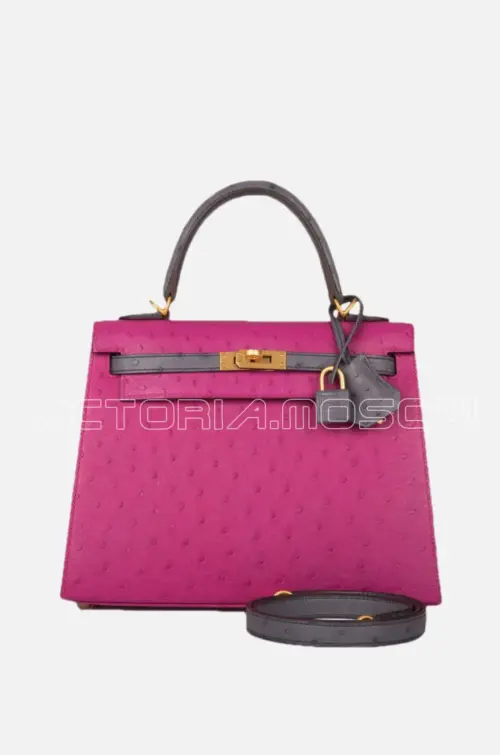 Hermes Kelly Sellier 32 Special Order HSS Ostrich Rose Tyrien/Gris Agate GHW
-
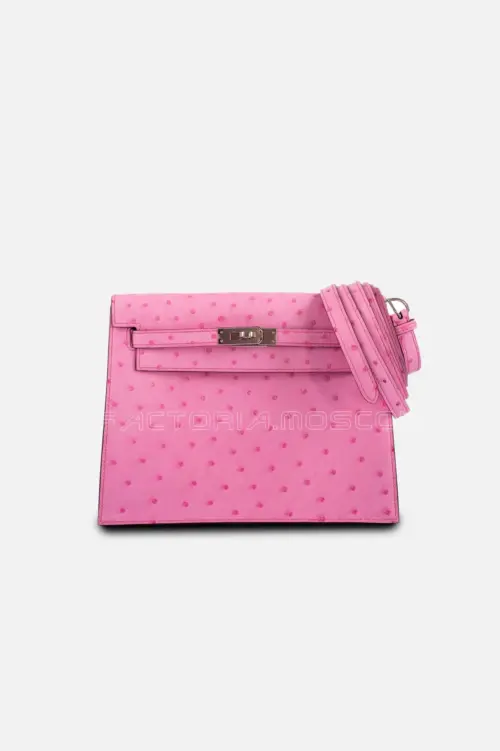 Hermes Kelly Danse II Ostrich Color 5 P Pink Bubblegum PHW
Lizard skin processed
Lizard (Varanus Niloticus) is a delicate material that requires care to prevent the scales from drying out. Like most Hermès exotic leathers, lizard can be either matte or glossy. But even on matte pieces, the small lizard scales give a slightly glossy appearance. Because of the size of the lizards, this type of leather can usually be seen in small accessories and bags.
-
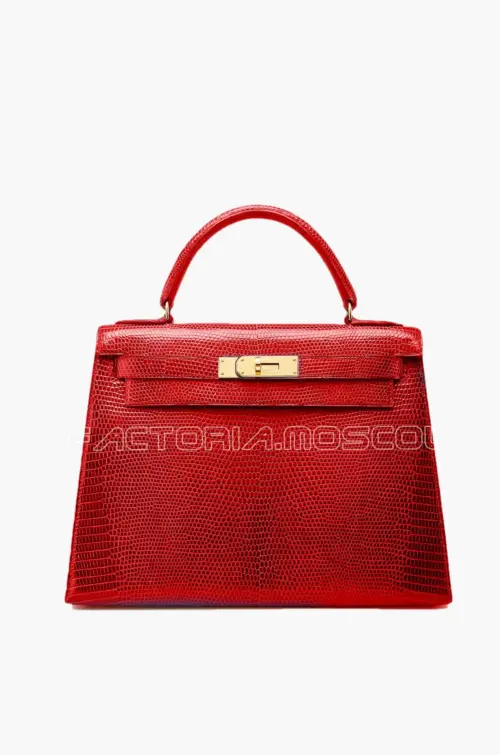 Hermes Kelly Sellier 25 Lizard Rouge Vif GHW
-
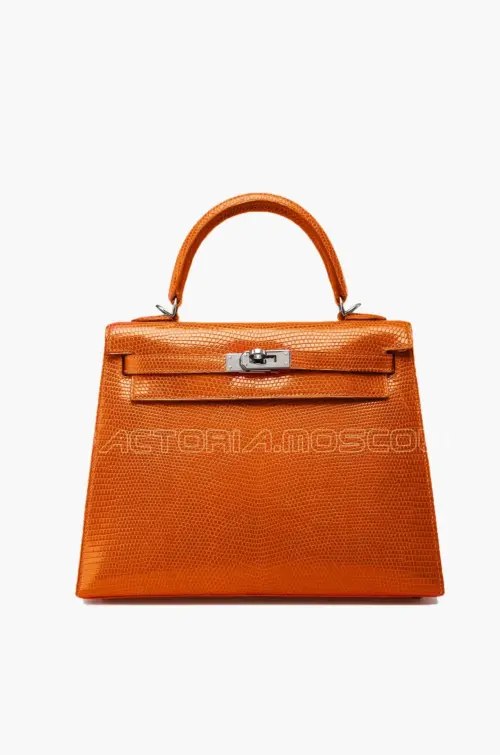 Hermes Kelly Sellier 25 Lizard Orange PHW
-
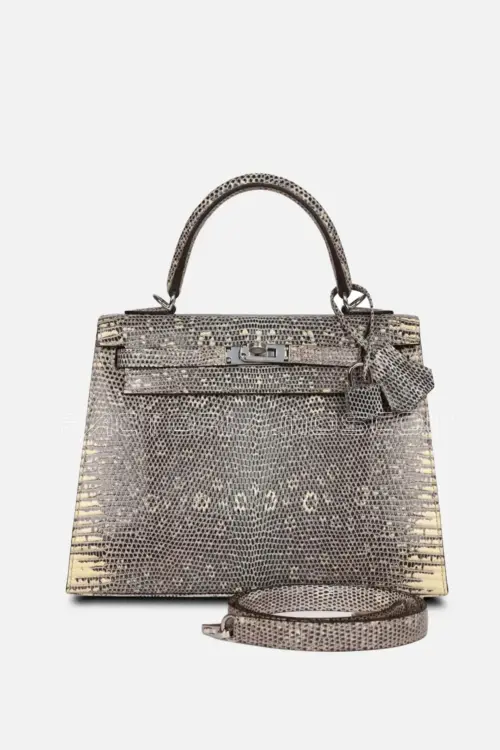 Hermès Kelly Sellier 25 Ombre Varanus Salvator Lizard PHW
-
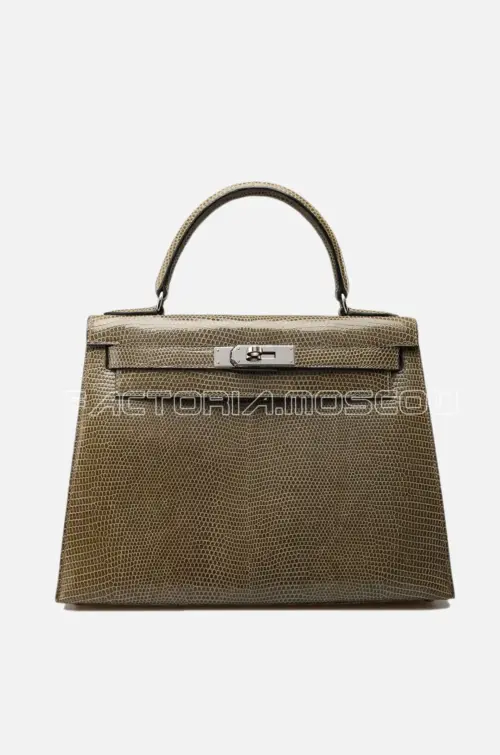 Hermes Kelly Sellier 28 Lizard Color Ebene PHW
-
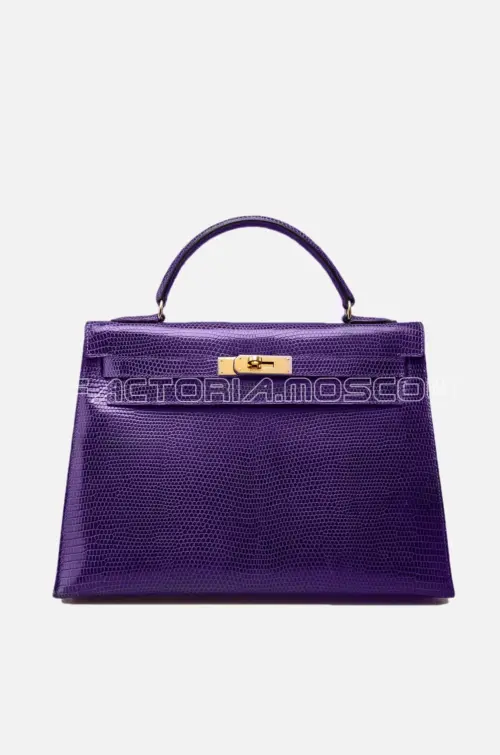 Hermes Kelly Sellier 32 Lizard Crocus GHW
-
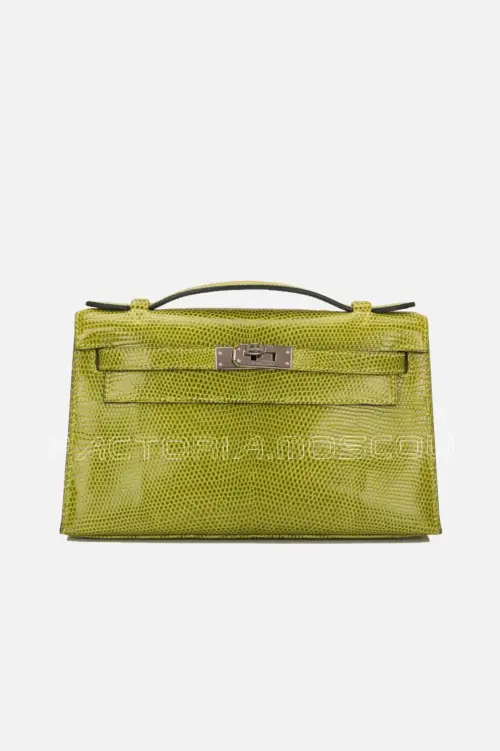 Hermes Kelly Pouchette Lizard Color Vert Anis PHW
-
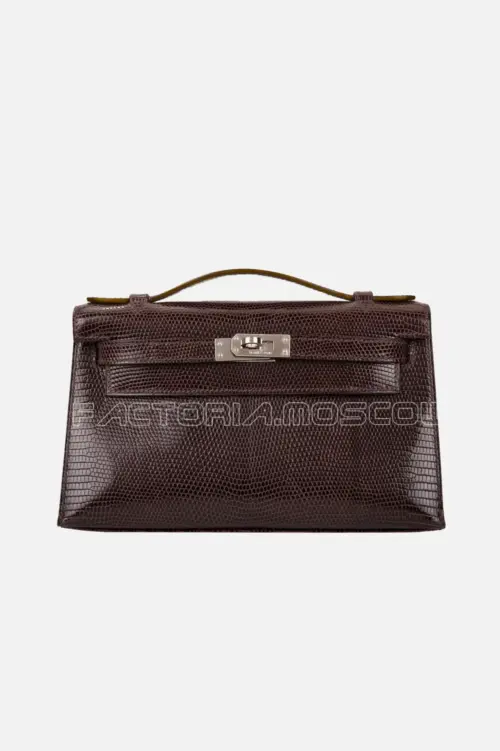 Hermes Kelly Pouchette Lizard Color Cocoan PHW
-
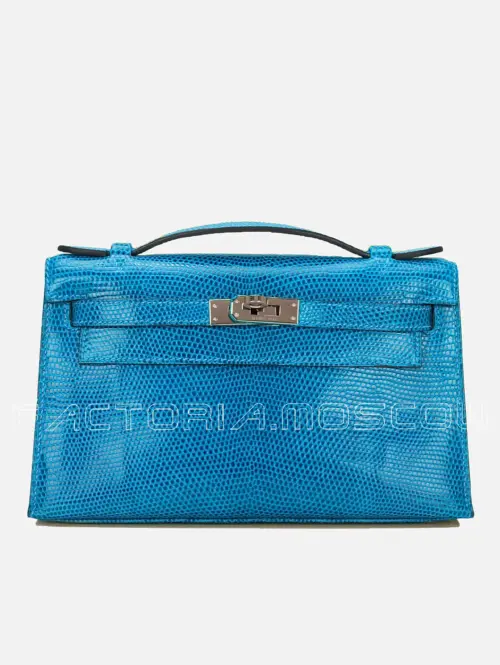 Hermes Kelly Pouchette Lizard Color Blue Zanzibar PHW
Popular Types of Hermès Fabrics
Toile H
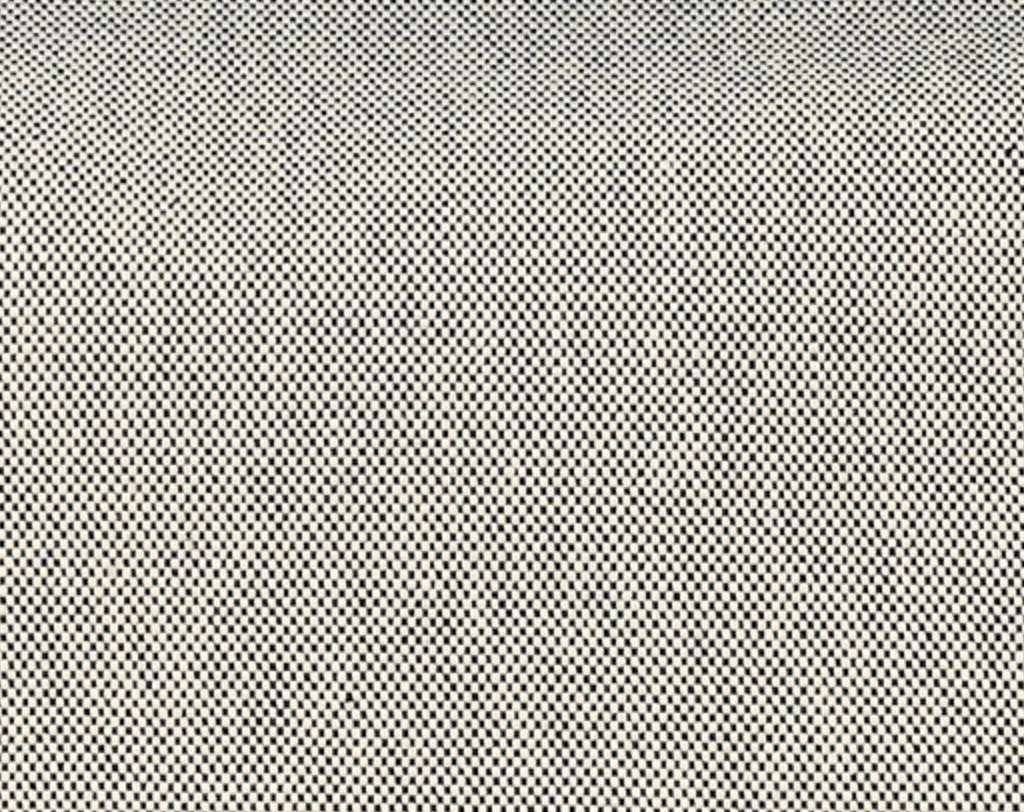
Toile H is the most basic woven cotton fabric of Hermès. This fabric is very strong and resistant to wear. Its texture looks like a weave of two threads of different colours.
Toile GM
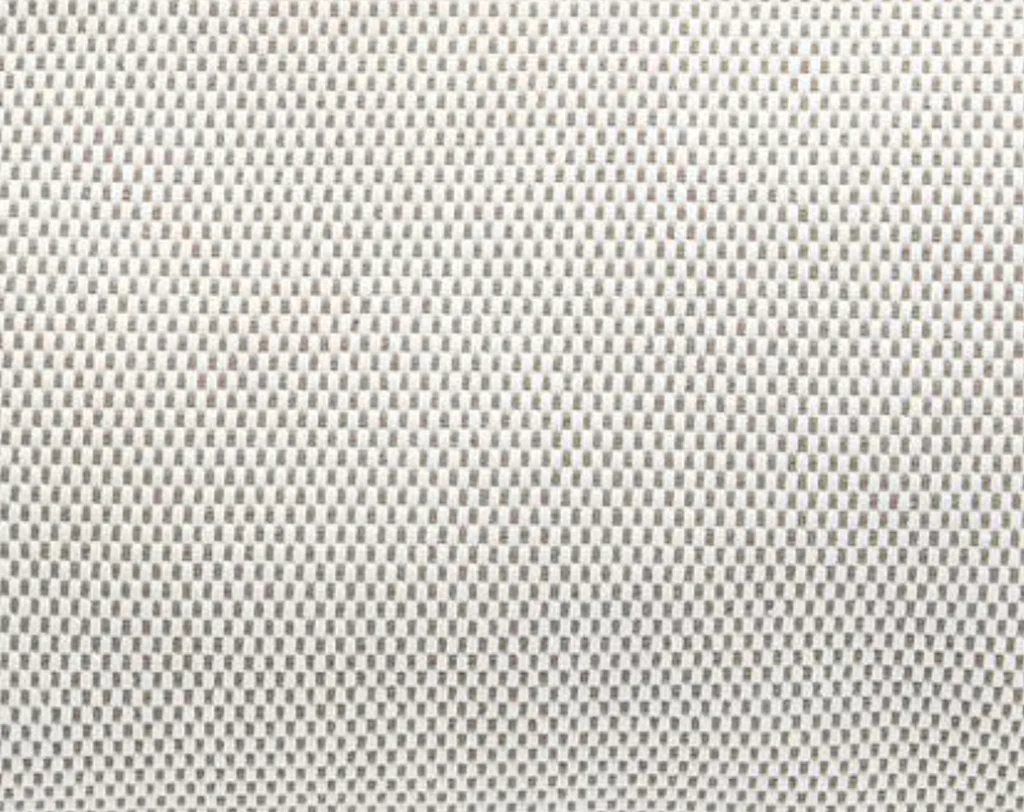
Toile GM Toile GM is a cotton fabric with a coarser weave than Toile H. This fabric is also very strong and resistant to wear. Its texture looks like a weave of two threads of different colours.
Toile Officer
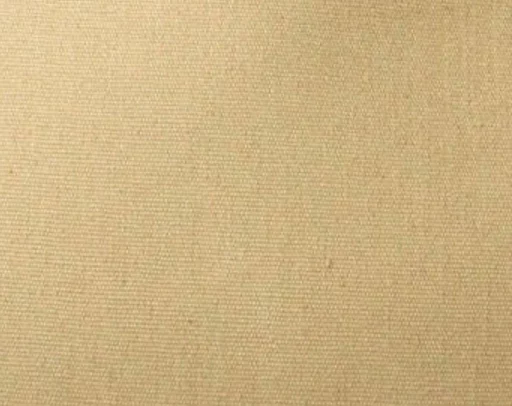
Toile Officer is a cotton fabric made from a finer thread. Its texture looks like a weave of thread in a single colour. It is used mainly in the production of the Garden Party and Herbag bag models.
Toile So H
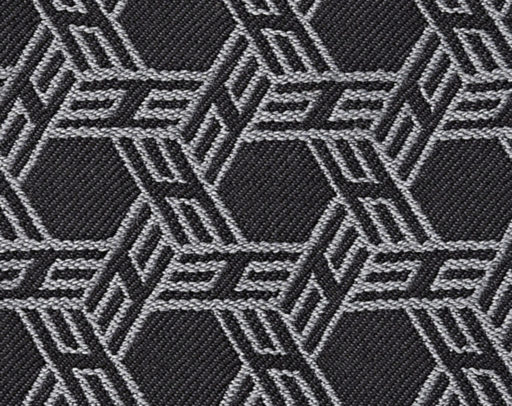
Toile So H is a fabric made of wool and cotton, produced by weaving threads of two different colours. It features a woven H-logo pattern across the entire surface. This fabric is very light and durable.
-
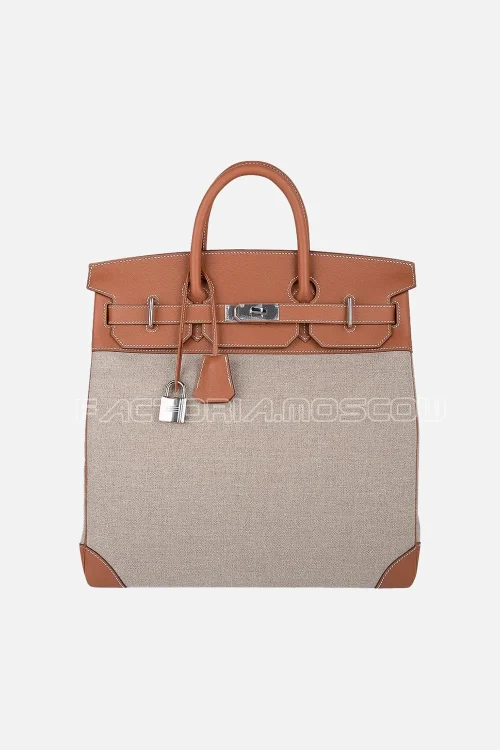 Hermes Birkin US 40 Evercolor/Toile Gold/Ficelle PHW
-
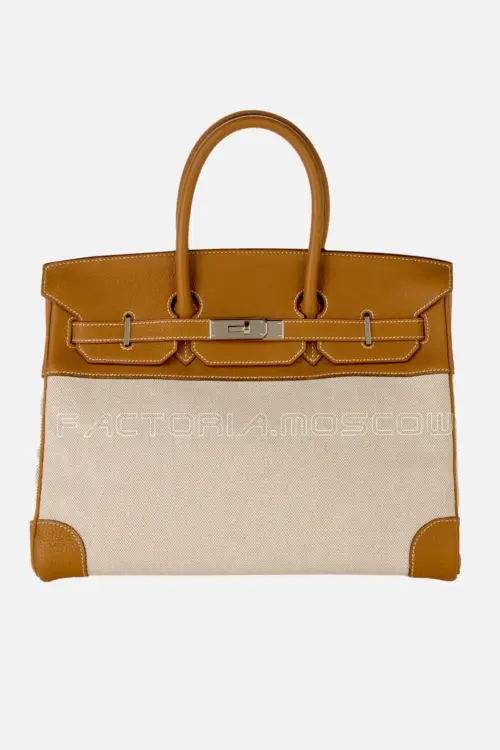 Hermès Birkin 35 Gold Togo And Ecru Toile PHW
-
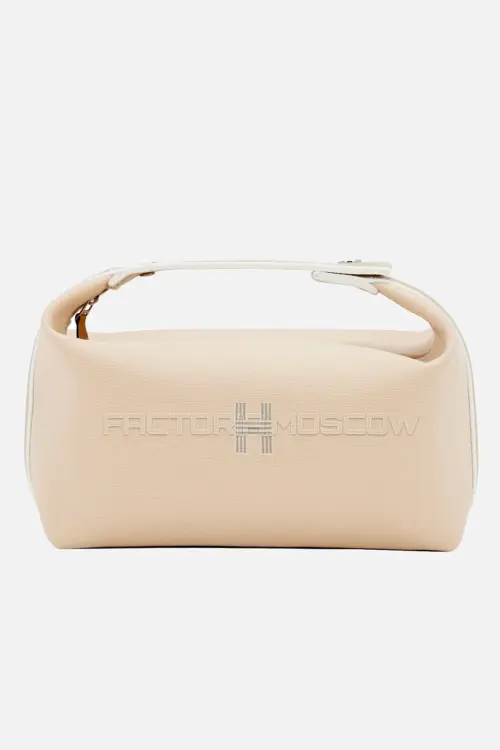 Hermès Eucalyptus Toile Bride-A-Brac Large Model Case PHW
-
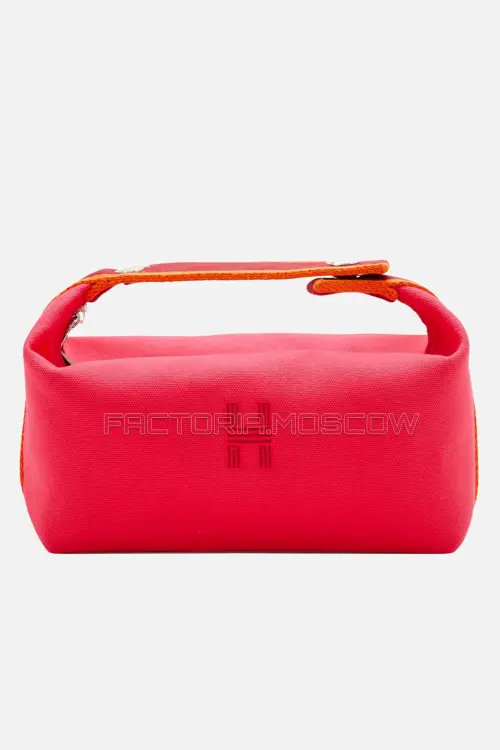 Hermès Hibiscus Toile Bride-A-Brac Small Model Case PHW
-
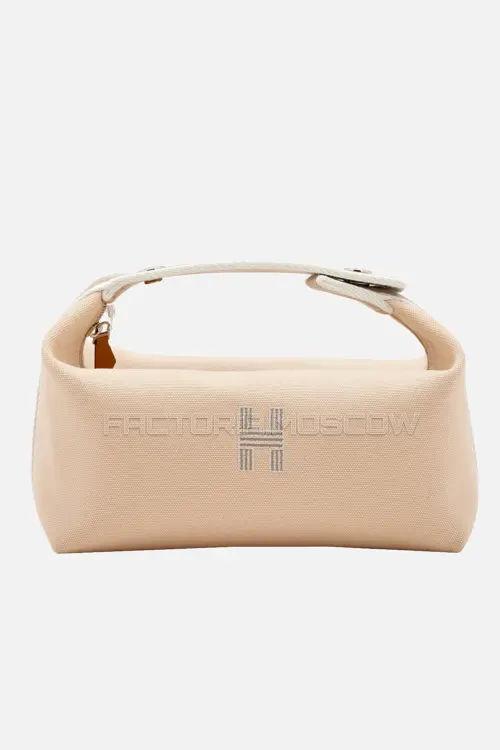 Hermès Beige Toile Bride A Brac Case PHW
-
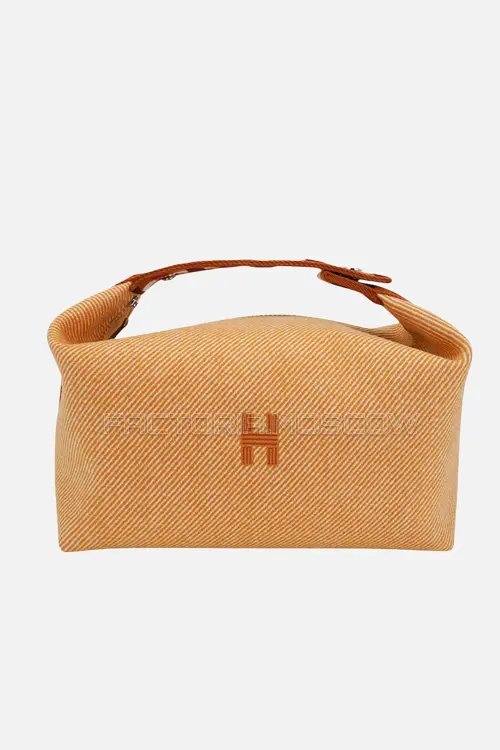 Hermes Bride-A-Brac Au Carre Case Fauve Large Model PHW
-
 Hermes Bride-A-Brac Case Large Model Naturel PHW
-
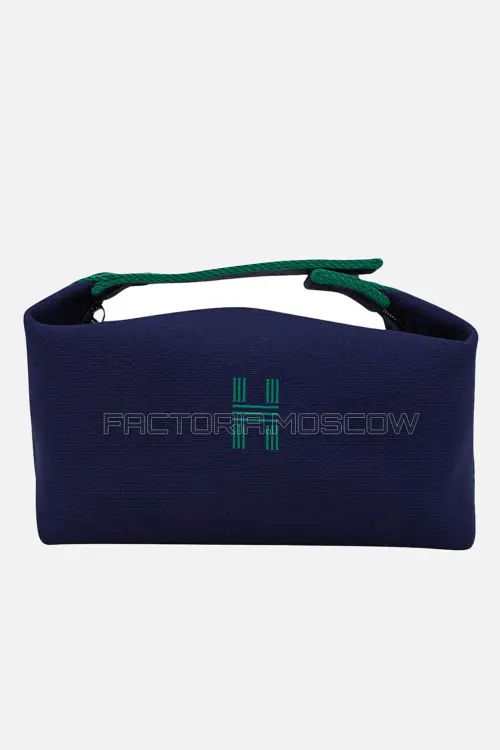 Hermes Bride-À-Brac Pencil Case Marine Trousse De Toilette Small Model PHW
-
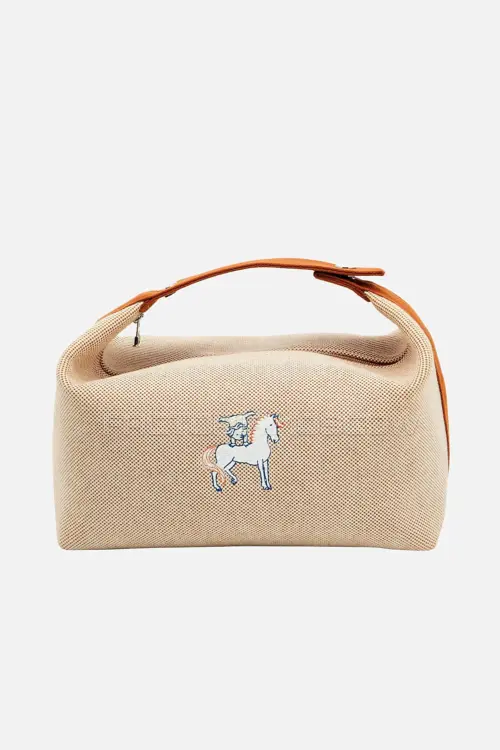 Hermes Bride-A-Brac Case Pouch Natural/Biscuit Toile H Canvas Large PHW
-
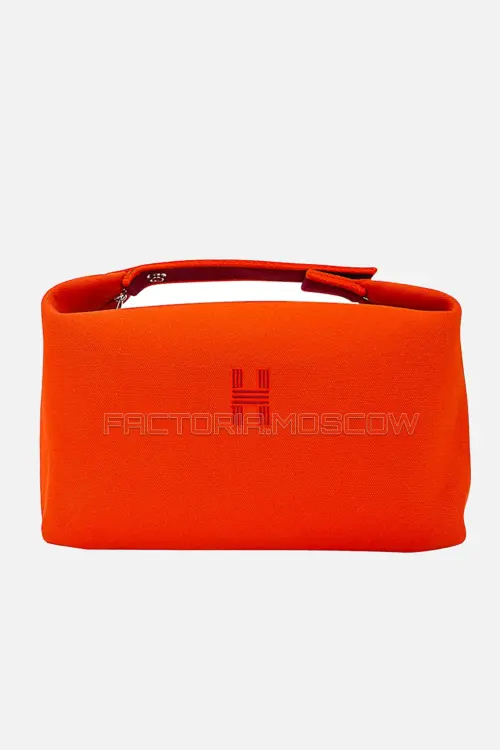 Hermes Bride-A-Brac Orange Case Large Model PHW
Perfect work of our masters
Kelly Pouchette Shiny Alligator Miel Hardware Ghw
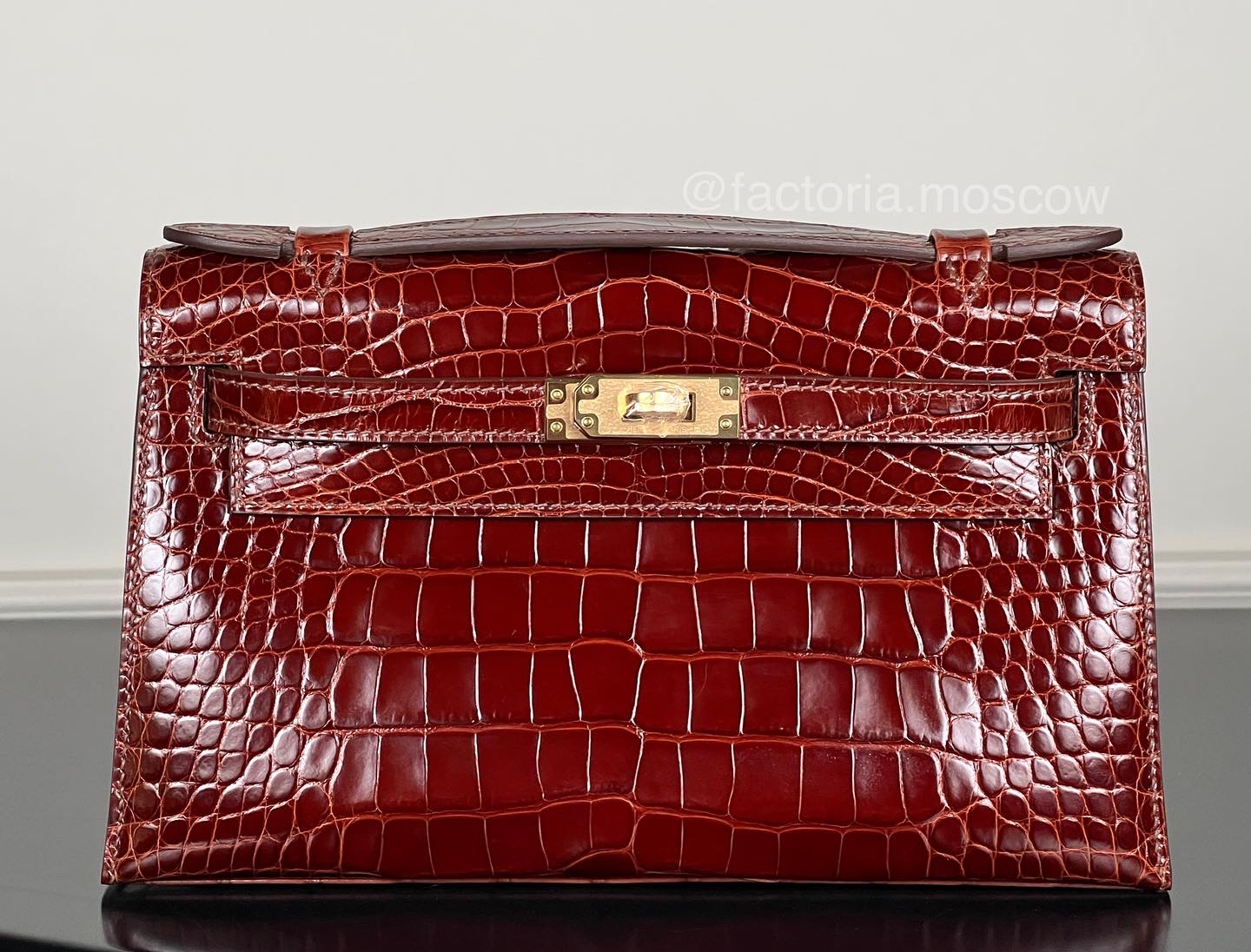
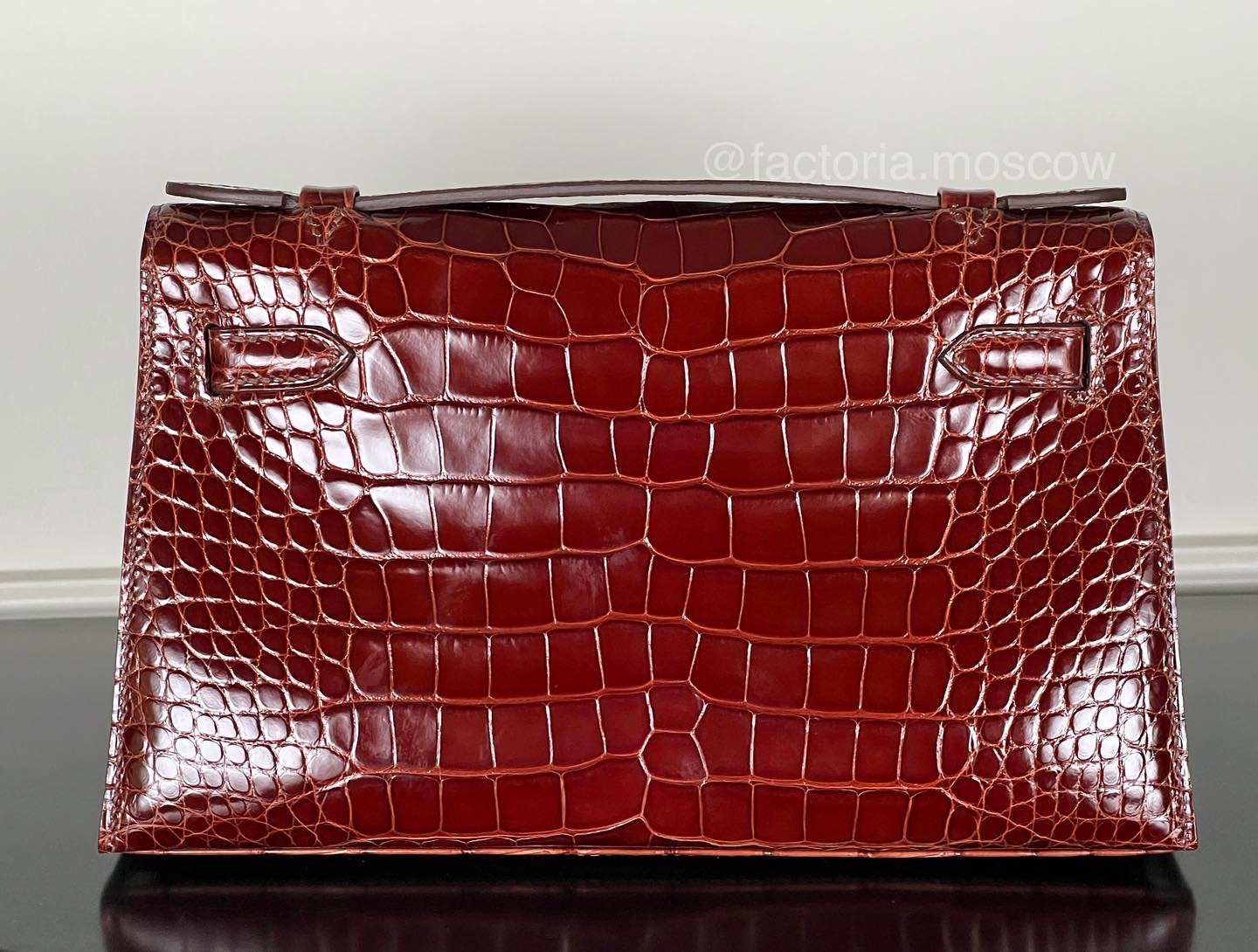
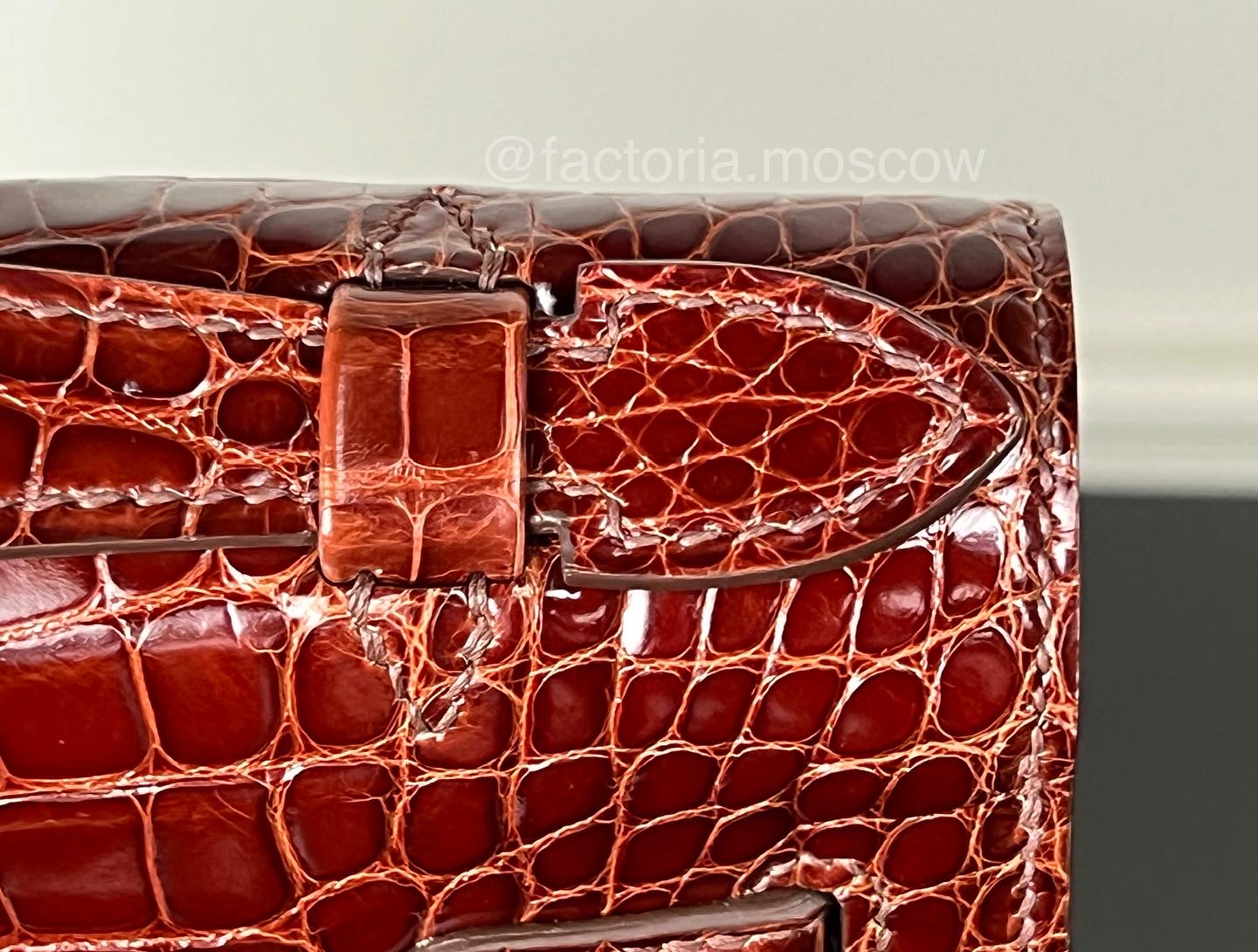

Each bag has its own serial number with the craftsman's code and the year of manufacture.